

Canine Alpha-2 Agonist Medications: UK Veterinary Reference for Dexdomitor, Domitor, Sileo, Sedator and Antisedan — Prescription-Only (POM-V) Clinical Uses
Published on Thursday, 21 August 2025
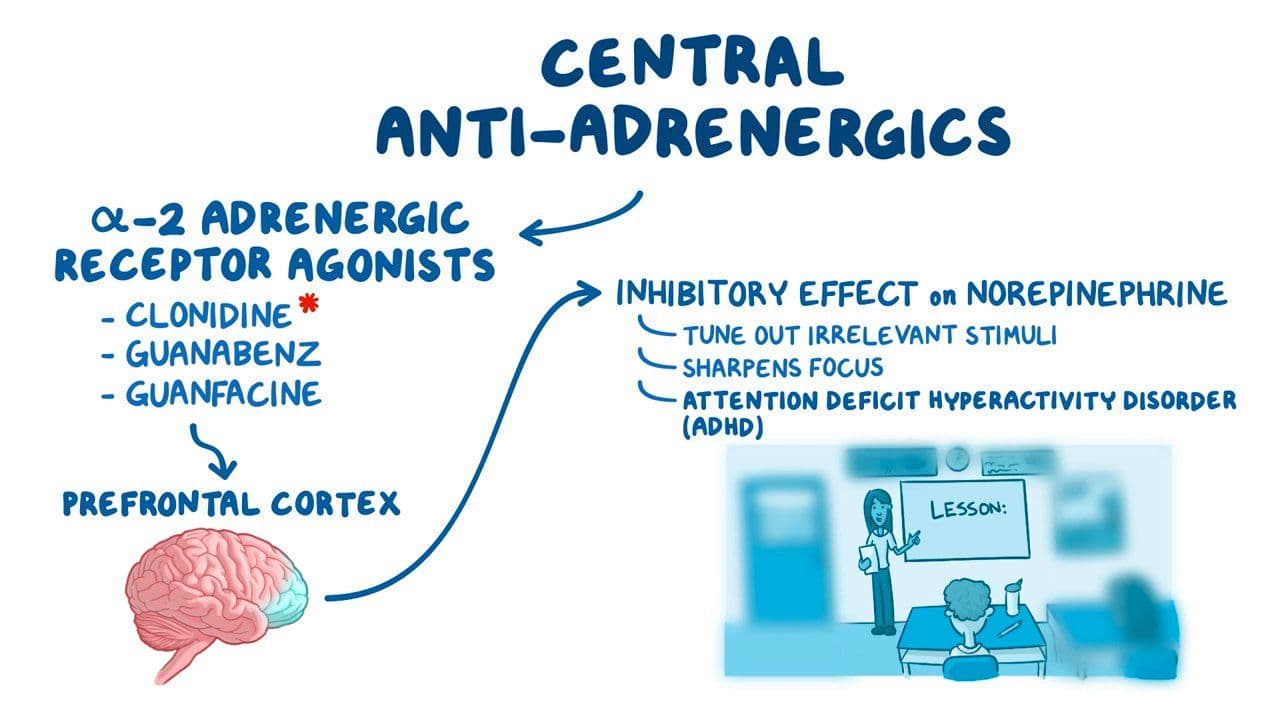
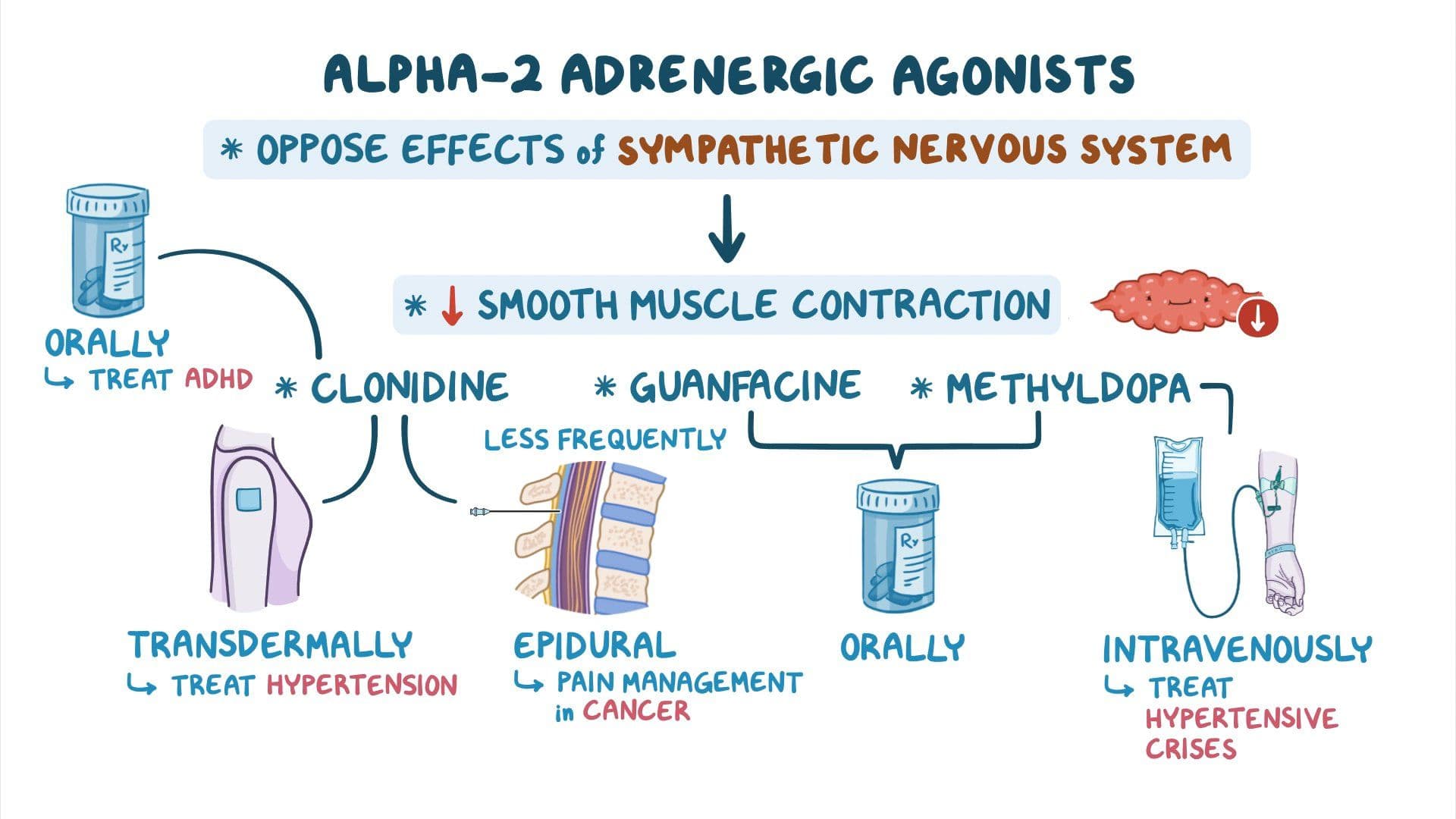
Every product on this page is a POM-V medicine in the United Kingdom: it can only be supplied on the prescription of a registered veterinary surgeon, and — apart from Sileo, which is the one licensed for owner administration at home — it is given by a vet. This page is a reference to what each product contains and what it is licensed for. It is not a buying guide, and it deliberately carries no dosing instructions: alpha-2 agonists cause profound, dose-dependent bradycardia and are dangerous if given without a clinical examination and monitoring. Alpha-2 agonists work by binding alpha-2 adrenergic receptors in the central nervous system, producing sedation, analgesia and skeletal muscle relaxation in dogs. The UK market centres on two active ingredients — medetomidine (Domitor, Sedator) and its more receptor-selective enantiomer dexmedetomidine (Dexdomitor as an injection, Sileo as an oromucosal gel) — plus atipamezole (Antisedan), the antagonist that reverses them. The injectable products are for intravenous or intramuscular use only; none is an oral medicine. Newer combination products such as Zenalpha, which pairs medetomidine with the peripheral antagonist vatinoxan to blunt the cardiovascular effects, sit outside the five listed here. The five below are covered on their active ingredient, concentration, licensed species, route and regulatory standing — the questions a vet or a nurse actually needs answered.
Top Picks Summary
Dexdomitor
Dexdomitor (dexmedetomidine) is positioned as the premium alpha-2 agonist in the 2025 UK veterinary market because its high alpha-2 selectivity provides predictable, controllable sedation and analgesia with smaller dosages than older racemic agents, making it a clinical favorite for procedures requiring fine dose titration. Compared with Domitor and Sedator it offers improved pharmacologic precision (at a higher unit price), and when paired with Antisedan delivers rapid, reliable reversal — while Sileo remains the preferred choice when oromucosal dosing for noise aversion is required rather than clinic-based sedation.

Domitor
Domitor (medetomidine) remains a widely used, cost-effective alpha-2 agonist in the UK 2025 arsenal because it balances reliable sedation and analgesia with broader availability and lower acquisition costs than dexmedetomidine-branded products. Veterinarians choose Domitor when budget and routine procedural sedation are priorities — acknowledging that Dexdomitor offers greater selectivity and Sileo a specialty formulation for noise phobia, while Sedator often competes directly on price as a generic-style alternative.
Sileo
Sileo (dexmedetomidine oromucosal gel) is the market leader for noise aversion and situational anxiolysis in dogs in the UK 2025 because its buccal delivery is uniquely licensed for at‑home use and avoids injectable administration and clinic visits. Technically and financially it fills a different niche than injectable sedatives — offering owners an easy-to-administer, targeted option that complements clinic-focused products like Dexdomitor/Domitor and reduces overall treatment cost related to veterinary visits.
Sedator
Sedator is commonly adopted as a practical, value-oriented alpha-2 sedative in UK veterinary practices in 2025, offering many of the functional benefits of medetomidine formulations at a lower price point and broad availability for routine procedures. While it may not match Dexdomitor's selectivity or Sileo's owner-friendly oromucosal format, Sedator's financial advantage makes it a go-to choice when clinics prioritise budget efficiency without sacrificing predictable sedation, often supplemented by Antisedan for rapid recovery.
Antisedan
Antisedan (atipamezole) is the essential reversal agent for alpha-2 agonist sedation in the UK 2025 landscape, prized for reliably and quickly reversing the sedative and cardiovascular effects of agents like Dexdomitor, Domitor and Sedator and thereby improving patient throughput and safety. Financially and clinically, stocking Antisedan is efficient risk management for practices using alpha-2 sedatives, and it pairs especially well with the higher-cost, high-selectivity Dexdomitor to optimise both clinical outcomes and overall treatment costs.
These five products are the alpha-2 agonist options most commonly stocked by UK veterinary practices and licensed suppliers, covering both active ingredients in the class (medetomidine and dexmedetomidine), both routes in use (injectable and oromucosal), and the antagonist that reverses them. Each is authorised by the VMD with a published SPC, and each is prescription-only.
Understanding Alpha-2 Agonists in Canine Medicine
Alpha-2 agonists occupy a unique position within veterinary pharmacology. Unlike general anaesthetics that induce unconsciousness, these agents produce sedation whilst maintaining some level of consciousness and protective reflexes. This characteristic makes them particularly valuable for procedures requiring patient monitoring and responsiveness. The class includes various compounds with differing potencies and durations — dexmedetomidine offers higher selectivity for alpha-2 receptors compared to medetomidine. The cardiovascular effect is the defining risk of the class: peripheral vasoconstriction causes an initial rise in blood pressure followed by a reflex, dose-dependent bradycardia that can be profound, with heart rates falling well below normal and cardiac output dropping substantially. This is expected pharmacology rather than an idiosyncratic reaction, which is precisely why these drugs are restricted to veterinary use with patient assessment and monitoring. A crucial advantage is reversibility: atipamezole hydrochloride can rapidly counteract alpha-2 effects, enabling quick recovery when procedures complete.
All products listed are POM-V: UK supply requires a prescription from a registered veterinary surgeon
Selective alpha-2 receptor binding produces sedation with maintained protective airway reflexes
Dexmedetomidine demonstrates superior alpha-2 selectivity compared to medetomidine formulations
Injectable preparations are for intravenous or intramuscular use only — never given orally
Sileo oromucosal gel is the only product here licensed for administration by the owner at home
Profound dose-dependent bradycardia is expected: blood pressure rises first, then heart rate falls sharply
Atipamezole (Antisedan) provides reversal, enabling rapid patient recovery
Contraindications include cardiovascular disease and certain hepatic or renal conditions
Drug interactions possible with concurrent CNS depressants; veterinary guidance essential
Consult the manufacturer's SPC on the VMD Product Information Database or NOAH Compendium before use
Frequently Asked Questions
Can I buy Dexdomitor, Domitor, Sedator, Sileo or Antisedan without a prescription in the UK?
No. All five are classified POM-V (Prescription Only Medicine — Veterinarian) in the UK. They can only be supplied against a prescription written by a registered veterinary surgeon who has the dog under their care. Anything offering them for open sale online is not supplying them lawfully.
What is the difference between Domitor and Sedator?
Both are medetomidine hydrochloride solution for injection at 1 mg/mL, licensed for cats and dogs. Domitor is the original Orion Corporation product; Sedator is authorised to Eurovet Animal Health B.V. and is typically the lower-cost option. The active ingredient and strength are the same.
What is the difference between dexmedetomidine and medetomidine in dogs?
Medetomidine is a racemic mixture of two enantiomers; dexmedetomidine is the active dexmedetomidine enantiomer alone. Dexmedetomidine is more selective for the alpha-2 receptor, so an equivalent effect is reached at roughly half the medetomidine dose. Dexdomitor injection contains dexmedetomidine hydrochloride at 0.5 mg/mL; Domitor and Sedator contain medetomidine hydrochloride at 1 mg/mL.
What reverses alpha-2 agonist sedation in a dog?
Atipamezole hydrochloride, sold in the UK as Antisedan (5 mg/mL solution for injection). It is an alpha-2 antagonist that displaces medetomidine or dexmedetomidine from the receptor and is given by intramuscular injection per its SPC. Because it reverses the analgesic effect too, a vet will consider ongoing pain relief before using it.
Conclusion
The alpha-2 agonist category remains essential to canine veterinary medicine, and every product here stays behind a veterinary prescription. Dexdomitor (dexmedetomidine) enables precise titration during surgical and diagnostic procedures. Domitor is the original medetomidine injection with a long clinical history, and Sedator is a medetomidine injection at the same 1 mg/mL strength from Eurovet Animal Health, commonly stocked as the value option. Sileo addresses noise aversion in the home and is the only one of the five an owner administers themselves, on prescription. Antisedan (atipamezole) is the reversal agent that makes the class controllable. Selection is a clinical decision, not a shopping one: perioperative sedation depends on the patient's cardiovascular status, concurrent medication and the procedure, and the choice belongs to the veterinary surgeon who has examined the dog. If your dog needs sedation or is frightened by fireworks or thunderstorms, speak to your practice — they can assess whether an alpha-2 agonist is appropriate and dispense it legally.