

Canine Seizure Medications in the UK (2026): Phenobarbital, Potassium Bromide, Imepitoin, Levetiracetam and Gabapentin Compared
Published on Friday, 21 August 2026
Every medicine on this page is prescription-only in the UK. None can be bought over the counter or from a general online retailer. Three are authorised veterinary medicines (POM-V): Epiphen (phenobarbital) and Libromide (potassium bromide) from Dechra, and Pexion (imepitoin) from Boehringer Ingelheim. Levetiracetam (Keppra) and gabapentin hold no UK veterinary authorisation and are prescribed for dogs off-licence under the veterinary prescribing cascade. Inception reviews these products independently and does not sell them. Managing canine epilepsy effectively requires understanding the full spectrum of anticonvulsant medications available through UK veterinary practice. This guide examines five cornerstone neurological treatments—Phenobarbital tablets, Potassium Bromide, Imepitoin (Pexion) tablets, Levetiracetam (Keppra), and Gabapentin capsules—each offering distinct advantages for different seizure presentations and patient circumstances. UK veterinary practitioners increasingly tailor medication selection based on individual dog profiles, incorporating factors such as hepatic and renal function, concomitant medications, seizure frequency patterns, and owner capability for therapeutic drug monitoring. This resource evaluates practical considerations including prescription routes, availability through UK veterinary pharmacies, monitoring protocols mandated by regulatory bodies, management of breakthrough seizures, and evidence-based strategies for drug-resistant epilepsy. Whether you're managing an initial seizure diagnosis, optimising polypharmacy in a challenging case, or exploring alternatives due to adverse effects, this overview synthesises current veterinary neurology practice standards and helps facilitate informed discussions with your veterinary neurologist or general practitioner.
Top Picks Summary
Epiphen Phenobarbital Tablets for Dogs
A long-established first-line anticonvulsant, Epiphen (phenobarbital) holds its position for chronic canine epilepsy because of robust evidence for seizure reduction and very low per-dose cost compared with newer agents. It is a UK-authorised veterinary medicine (POM-V) from Vétoquinol and a Schedule 3 controlled drug, so it is dispensed only against a veterinary prescription. It requires hepatic monitoring and carries more drug interactions than levetiracetam or imepitoin, so the low drug cost must be balanced against monitoring costs and potential liver-related adverse events.

Libromide (Potassium Bromide) Tablets
Libromide is a UK-authorised veterinary medicine (POM-V) from Dechra, licensed specifically as an adjunct to phenobarbital in refractory canine epilepsy rather than as a stand-alone first-line drug. Potassium bromide is renally excreted and avoids the liver enzyme induction seen with phenobarbital, which makes it the usual next step when hepatic safety is the priority. Its slow onset and the need for consistent dietary salt and serum-level checks mean it complements faster-acting drugs such as levetiracetam rather than replacing them, at a low long-term drug cost.

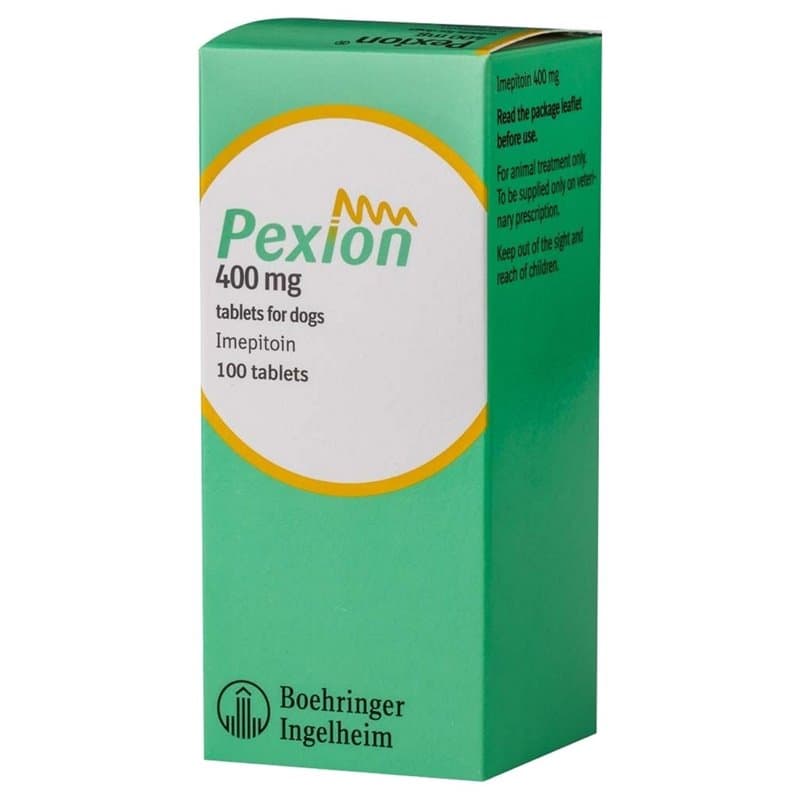
Pexion (Imepitoin) Tablets for Dogs
Pexion (imepitoin) is a UK-authorised veterinary medicine (POM-V) from Boehringer Ingelheim, licensed for reducing the frequency of generalised seizures in canine idiopathic epilepsy and, separately, for noise aversion. It has a favourable tolerability profile and needs no routine therapeutic drug monitoring, which suits long-term management in general practice. The tablets cost more than phenobarbital, though the absence of routine liver and drug-level bloods offsets part of that. It is not recommended for dogs with cluster seizures and is generally less effective than combination therapy in refractory cases.
Keppra (Levetiracetam) for Veterinary Use
Levetiracetam is the cluster-seizure and pulse-therapy workhorse in this guide because of its rapid onset, minimal hepatic metabolism and low potential for drug interactions, which make it a straightforward add-on to phenobarbital. It holds no UK veterinary authorisation: Keppra is a human medicine, so a vet prescribes it for a dog off-licence under the prescribing cascade. The trade-offs are a higher drug cost and three-times-daily dosing for the immediate-release form, though the interaction profile keeps monitoring light. Emergency control of an active seizure still relies on intravenous benzodiazepines rather than maintenance dosing.

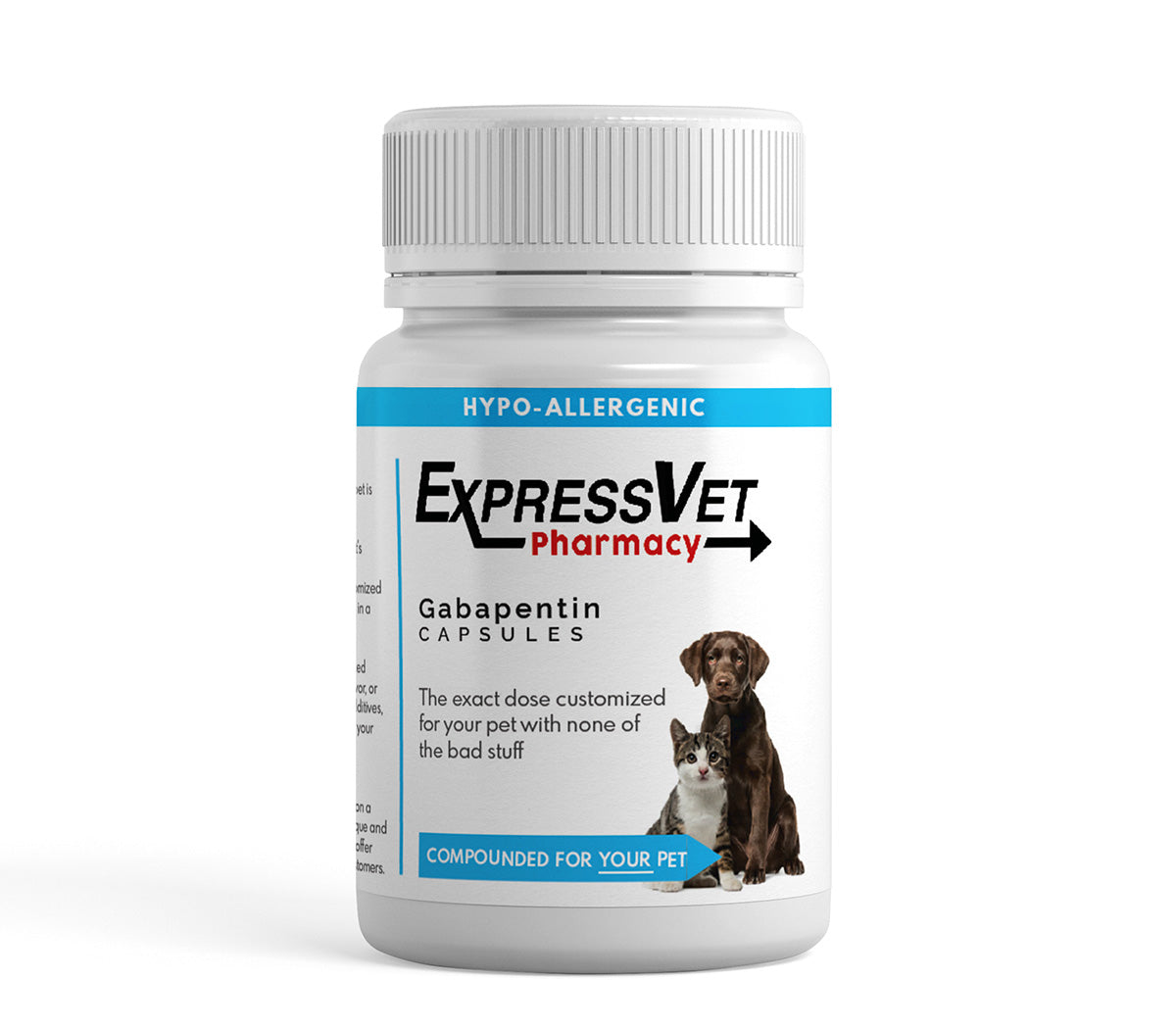
Gabapentin Capsules for Dogs
Gabapentin is an inexpensive, well-tolerated adjunct that helps with neuropathic pain and, in selected patients, with seizure modulation, though the evidence does not support it as a primary antiepileptic for most canine epilepsy syndromes. It is a human medicine with no UK veterinary authorisation, prescribed for dogs under the cascade, and it has been a Schedule 3 controlled drug since 1 April 2019, so supply is normally limited to 28 days at a time. Its low interaction potential and usefulness for comorbid pain or anxiety make it a quality-of-life addition alongside phenobarbital, imepitoin or levetiracetam, with little monitoring burden. Some gabapentin oral solutions contain xylitol, which is toxic to dogs, so the formulation should be checked before dispensing.
Three of these five are UK-authorised veterinary medicines: Epiphen (phenobarbital) from Vétoquinol, Libromide (potassium bromide) from Dechra, and Pexion (imepitoin) from Boehringer Ingelheim, each with a VMD-approved summary of product characteristics and defined monitoring. Levetiracetam and gabapentin hold no UK veterinary authorisation; vets prescribe them for dogs off-licence under the prescribing cascade. All five are prescription-only, dispensed by a veterinary practice or a registered pharmacy against a veterinary prescription, and never sold over the counter.
Understanding Canine Neurological Medication Selection
Choosing seizure medications involves multiple clinical considerations beyond simple efficacy data. UK veterinarians evaluate individual patient factors including baseline organ function, potential drug-drug interactions, administration practicality, cost implications, and regulatory status within British veterinary practice. Understanding these dimensions empowers informed collaboration with your veterinary team.
First-line medications in UK practice typically demonstrate predictable absorption, established therapeutic drug concentrations, and clear monitoring protocols
Adjunctive agents become necessary when monotherapy fails to achieve adequate seizure control or when adverse effects limit tolerance
Therapeutic drug monitoring through accredited UK veterinary laboratories helps optimise dosing and detect potential toxicity early
Refractory epilepsy management may require specialised assessment from veterinary neurologists with access to advanced diagnostics
Emergency seizure protocols typically employ intravenous benzodiazepines rather than the maintenance medications discussed here
Long-term management success depends on owner compliance with regular dosing, monitoring schedules, and veterinary follow-up
Legal category matters: a POM-V product is authorised for dogs, while a cascade prescription of a human medicine carries extra record-keeping and owner-consent requirements
Frequently Asked Questions
Is Epiphen phenobarbital better for chronic canine epilepsy?
For chronic outpatient management, Epiphen (Phenobarbital) Tablets for Dogs is a long-used, well-studied anticonvulsant with an average rating of 4.1, but it requires therapeutic drug monitoring and liver function checks.
What monitoring does Libromide potassium bromide need?
Libromide (Potassium Bromide) Tablets need bromide level and electrolyte monitoring, and it’s renally excreted; it’s an adjunct when hepatic safety is a priority, not approved for use in cats.
How much is Epiphen compared to newer options?
Phenobarbital is the cheapest of the five per dose; imepitoin (Pexion) and levetiracetam cost several times more for the same dog. The gap narrows once monitoring is counted, because phenobarbital needs serum drug levels and liver bloods while Pexion needs no routine therapeutic drug monitoring. Ask your practice for a written quote covering both the tablets and the blood tests.
Can Libromide be used in cats instead?
No—Libromide (Potassium Bromide) Tablets are not approved for use in cats; they are used in dogs with monitoring of bromide levels and electrolytes, and the product carries an average rating of 3.7.
Conclusion
Selecting appropriate seizure medications for your dog represents one of the most consequential therapeutic decisions in veterinary practice. Within the UK landscape, Phenobarbital tablets continue as the predominant first-line agent for idiopathic epilepsy, validated by extensive clinical evidence and well-established monitoring frameworks. Imepitoin (Pexion) offers a veterinary-licensed alternative for idiopathic epilepsy with a favourable tolerability profile and no routine liver-enzyme monitoring, while Potassium Bromide and Levetiracetam (Keppra) serve crucial adjunctive and refractory roles, particularly when monotherapy proves insufficient or intolerable. Gabapentin capsules address specific applications including neuropathic pain components and anxious seizure-prone dogs. The optimal medication strategy frequently involves collaborative decision-making between owner, general practitioner, and specialist neurologist, accounting for your individual dog's health status, seizure semiology, and quality-of-life considerations. Utilise this guide to prepare informed questions for your veterinary consultation, understand therapeutic rationale, and recognise monitoring expectations. Should you require specific dosing information, interaction profiles, or guidance on medication procurement through UK veterinary channels, explore additional resources on this site or consult your registered veterinary surgeon directly. On legal status: Epiphen, Libromide and Pexion are UK-authorised veterinary medicines classed POM-V, each with a VMD-approved summary of product characteristics. Levetiracetam and gabapentin are human medicines prescribed off-licence under the cascade, and gabapentin has been a Schedule 3 controlled drug since 1 April 2019, so a vet normally issues no more than 28 days at a time. Phenobarbital is also scheduled but carries an exemption allowing a monthly supply with a physical examination roughly every six months. None of the five is legally available without a veterinary prescription.