

Essential Guide to RCD Protection and Electrical Safety Systems for UK Aquariums — 2026's Most Reliable Tank Power Solutions Reviewed
In the UK the device you want is an RCD, not a US-style GFCI: a 30mA plug-in or in-line 13A RCD adaptor sits between your aquarium equipment and the wall socket and cuts the supply in roughly 40 milliseconds if it detects earth-leakage current. BS 7671 already requires 30mA RCD protection on domestic socket-outlets rated up to 32A, so most modern consumer units cover the circuit — but an adaptor at the tank itself adds a dedicated layer you can test by hand, and it retrofits to heaters, pumps and lighting in seconds without rewiring anything. This guide examines five 13A adaptors in the two formats that matter: plug-in units that occupy the socket, and in-line units that sit further along the lead and tuck behind cabinetry. Each is assessed on trip sensitivity, build quality in a damp cabinet, and how easy it is to reach the test button once everything is installed. One caveat worth knowing before you buy: most plug-in RCD adaptors are non-latching, so after a power cut they stay tripped until somebody presses reset — fine for a garden strimmer, rather less so for a heater in February.
Inception's AI took the time to understand this market in the UK · · How we pickWe may earn a commission on purchases. It never affects our rankings.
Top Picks Summary
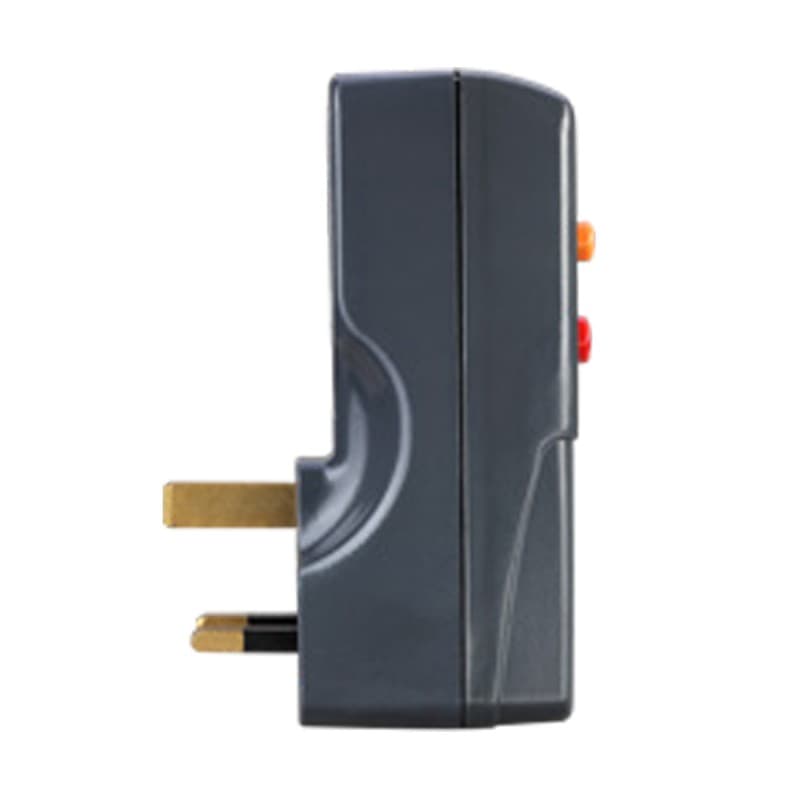
Masterplug Weatherproof RCD Safety Adaptor 13A
Masterplug's plug-in RCD Safety Adaptor (ARCDKG) is a single-socket 13A adaptor that provides 30mA earth-leakage protection between your aquarium equipment and the wall socket. It is made to BS 7071, breaks both poles, and trips in around 40ms, with a maximum load of 3120W at 240V — comfortably more than a heater, filter and light drawing together. Two things to know before fitting it to a tank: it carries no IP rating, so it belongs in a dry position rather than outdoors or beneath a dripping sump, and it is non-latching, so it stays off after a power cut until you press reset.
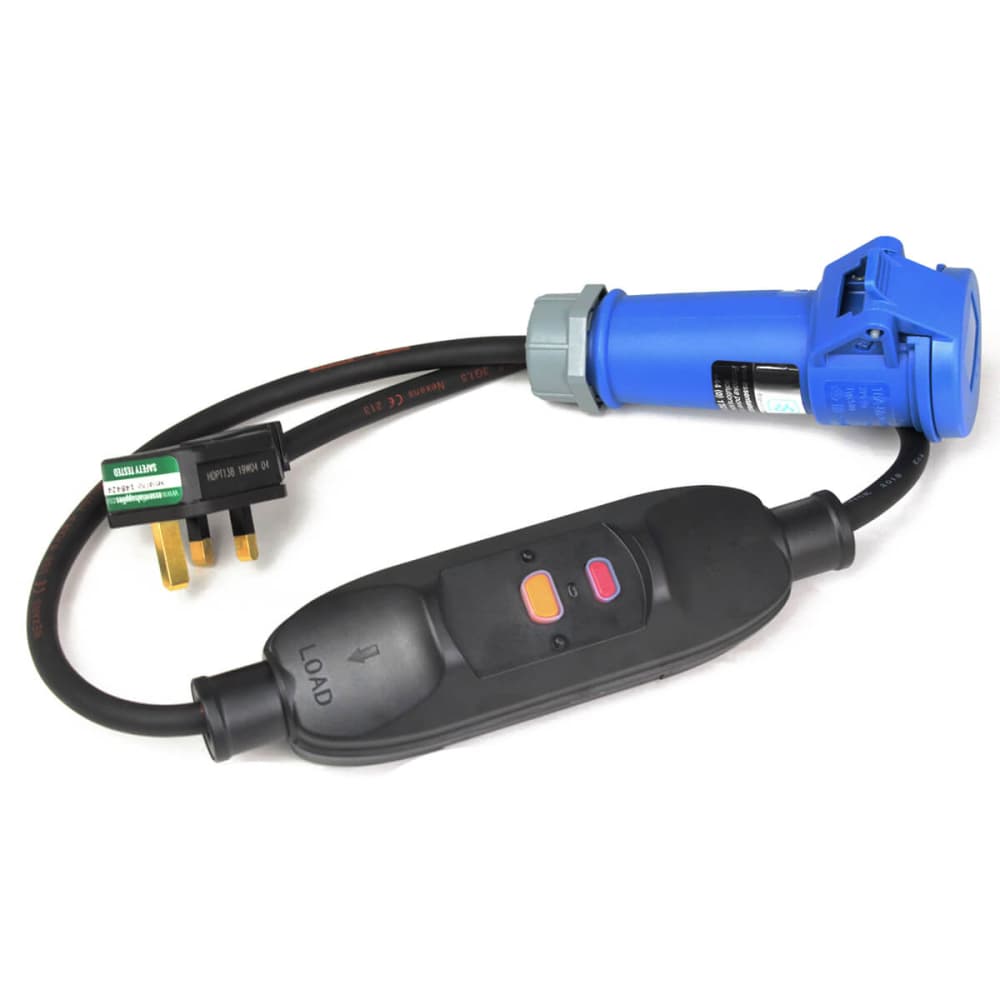
BG Electrical RCDADPT1 In-Line RCD Adaptor 13A
An in-line RCD adaptor sits a short way down the lead rather than filling the socket, which is what makes this format the tidier choice inside an aquarium cabinet where the socket is already crowded. It delivers the same 30mA earth-leakage protection at 13A as a plug-in unit, with a manual test button for the monthly check, and it takes the weight off the socket faceplate — worth having when several heaters and pumps share one extension. As with any portable RCD, keep it in a dry position and leave a drip loop in the lead ahead of it.
We may earn a commission on purchases. It never affects our rankings.
Estimated£20 – £30
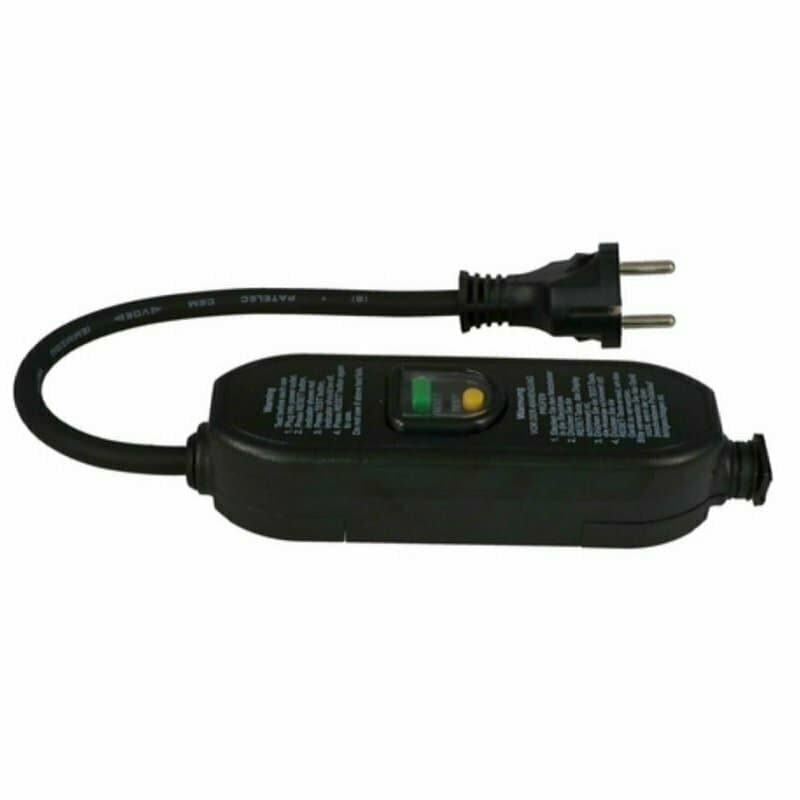
Electraline 77110 Portable RCD Safety Adaptor
Electraline's portable RCD adaptor is the most compact option here, aimed at small tanks, quarantine setups and temporary installations where a full-size adaptor will not fit behind the stand. It provides the same 30mA residual-current protection at 13A as the larger units, with a simple test and reset interface. The trade-off for the size is a lighter housing, and its owner rating of 3.9 is the point at which nuisance tripping starts appearing in feedback — worth weighing if the adaptor will be feeding a heater you rely on.
Defender E205010 13A In-Line RCD Plug
Defender's in-line RCD units come from the site-power world, where they spend their lives on damp building sites, and that heritage shows in a chunky, high-visibility housing rather than anything designed to disappear into furniture. For an aquarium it is a value-focused option: 13A, 30mA protection with a straightforward test and reset, at a price that makes a second unit for a multi-tank setup painless. The 3.6 owner rating reflects fit and finish rather than protective function.

We may earn a commission on purchases. It never affects our rankings.
Estimated£12 – £20
PowerMaster 13A RCD Safety Plug Adaptor
PowerMaster's plug-in RCD adaptor is the cheapest route to 30mA protection here, which is its whole argument: if you need three or four adaptors across a fishroom, the cost per socket matters. It offers the same 13A rating and test/reset arrangement as the others. The 3.2 owner rating is the lowest on this page, and the recurring theme in feedback is inconsistent build rather than failure to trip — so if you buy one, test it on arrival as well as monthly.
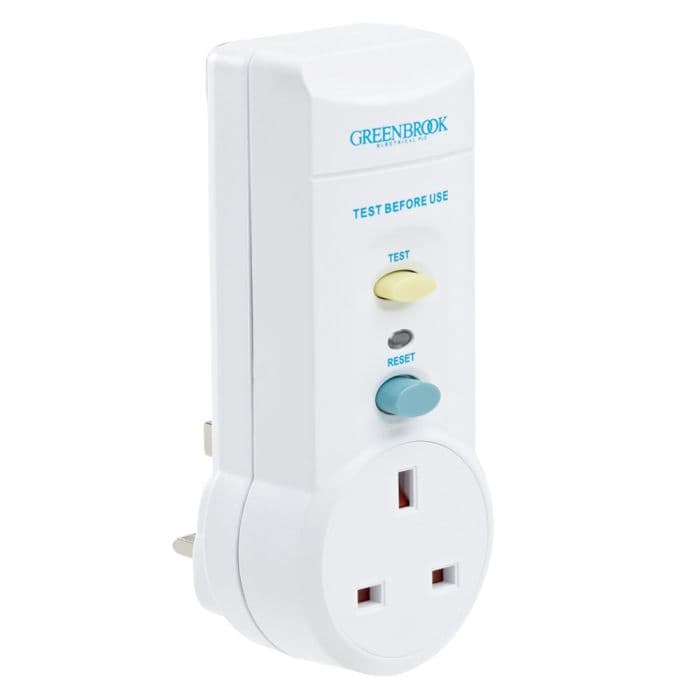
The better adaptors here share four things: a genuine 30mA trip rather than a fire-protection rating, a test button you can still reach once the unit is behind a cabinet, a housing that tolerates the damp air of an aquarium stand, and clear indication that protection is actually live rather than sitting tripped.
Understanding Electrical Safety for Aquariums in the UK
Electrical safety around aquariums demands specific knowledge and appropriate precautions. Water conducts electricity exceptionally well, creating genuine hazards when electrical equipment malfunctions or becomes damaged. The standards fall into three layers, and they are easy to confuse: BS 7671 (Requirements for Electrical Installations) governs the fixed wiring and requires 30mA RCD protection on domestic socket-outlets up to 32A; the fixed RCDs and RCBOs in the consumer unit are made to BS EN 61008 and BS EN 61009; and the plug-in and in-line adaptors on this page are separate portable products made to BS 7071, while RCD-protected socket-outlets fitted into the wall are made to BS 7288. There is no such thing as a 'British Electrical Code' — if a product listing cites one, treat the rest of its claims with suspicion.
RCDs detect current leakage and disconnect power within milliseconds, providing essential protection against electrocution and fire hazards
30mA is the trip current that protects a person; 100mA and 300mA devices exist but are for fire protection, not shock protection, and are not what you want at a tank
Most plug-in RCD adaptors are non-latching: they trip whenever the supply is interrupted and stay off until reset, so heaters, filters and air pumps will not restart on their own after a power cut
A drip loop — letting each lead hang below the level of the socket so the lowest point is a bend in the cable rather than the plug — stops condensation and spillage tracking down the flex into the plug
Dedicated aquarium power centres distribute electricity through multiple independently protected outlets, allowing individual circuit monitoring and isolation
Regular testing protocols, including monthly trip testing, verify that RCD mechanisms remain responsive and functional
Isolation transformers add a further layer by separating aquarium equipment from the mains supply, which removes the earth-referenced shock path — though the output is still not safe to touch across both conductors
Surge protection within power distribution systems safeguards expensive equipment like heaters, pumps, and lighting from voltage spikes during electrical storms
Proper cable management and strategic equipment placement minimise water contact risks and prevent accidental damage to protective devices
Professional installation of hardwired solutions ensures compliance with Building Regulations and provides documented certification
Regular equipment inspection identifies corrosion, water ingress, or visible damage that might compromise protective function
Frequently Asked Questions
Do I need an RCD for my aquarium in the UK?
Yes. Water conducts electricity, so any mains-powered aquarium equipment (heaters, pumps, lighting) should be protected by a 30mA RCD. Many modern UK consumer units already have RCD protection on socket circuits, but a plug-in or in-line 13A RCD adaptor adds a dedicated layer at the tank itself and is the simplest way to retrofit protection without rewiring.
What is the difference between a GFCI and an RCD?
They do the same job under different names. RCD (Residual Current Device) is the UK/European term; GFCI (Ground Fault Circuit Interrupter) is the US term. Both detect earth-leakage current and cut power within milliseconds. In the UK you want an RCD rated at 30mA for personal protection.
What rating should an aquarium RCD adaptor be?
Look for a 13A, 230/240V adaptor with a 30mA trip current. 13A is the standard UK plug rating and covers typical aquarium loads, while 30mA is the sensitivity level required to protect a person against electric shock. Ignore 100mA and 300mA devices — those are for fire protection and will not save you from a shock.
How often should I test an aquarium RCD?
Test it monthly using the adaptor's built-in test button. Pressing test should trip the device and cut power; if it does not trip, replace the adaptor. Regular testing confirms the mechanism remains responsive over time.
Conclusion
Selecting electrical protection for an aquarium is mostly a question of format. Plug-in adaptors are the quickest retrofit but occupy the socket and are bulky behind furniture; in-line units sit further down the lead and disappear into a cabinet, which is usually the tidier answer for a display tank. Every adaptor here provides the same core 30mA earth-leakage protection at 13A, so start by matching the format to where the socket actually is, then test the unit monthly with its built-in test button and replace it if it fails to trip. Two practical points apply whichever you choose: none of these adaptors is IP-rated, so keep them in a dry position above the tank's water line rather than on the floor behind the stand or outdoors, and leave a drip loop in every lead so water runs off the cable instead of into the plug. If you are away from home regularly, remember that a non-latching adaptor will not restore power after an outage — that is an argument for relying on the RCD in the consumer unit for that circuit and keeping a battery air pump to hand. Should you wish to explore related categories such as redundant heater thermostats, leak-detection shutdown systems, or battery backup modules, our search functionality enables straightforward refinement across these related product categories.