Forage and Hay for Horses: Top 8 Options in the UK for 2026
Published on Wednesday, 28 January 2026
Forage and hay are the foundation of equine diet and welfare across the UK. This category covers all forms of forage used for horses, including meadow hay, haylage, specialist low-sugar bales, and conserved forage blends. In the UK market to 2026, buyers increasingly look for high-fibre, low-sugar options with reliable provenance, laboratory analysis, and sustainable production methods. Consumers choose forage based on digestive health benefits, behavioural needs, weight management, and medical concerns such as laminitis or gastric ulcers. Practical preferences also shape buying decisions: consistent dry matter, low dust for respiratory health, convenient packaging and bale sizes, and local supply chains to reduce transport emissions. Whether feeding leisure ponies, competition horses or older animals with special dietary needs, purchasers prioritize traceability, independent testing, and clear nutritional information when choosing forage in the UK.
Top Picks Summary
Dengie Alfa-A Original
Dengie Alfa-A Original is a long-established chaffed alfalfa product prized for its consistent high fibre and low-starch profile, making it a go-to for horses needing metabolic control or additional forage without excess sugar. It outperforms grass-based alternatives on protein and calcium supply while typically costing more per bale; its technical advantage is a stable, lab-verified nutrient profile and high palatability compared with variable hay options like Readigrass or Pre Alpin. For owners prioritising laminitis or ulcer management the higher upfront cost is often offset by reduced need for balancers and supplements.

£12-20 GBP
TopSpec Top Chop Lite
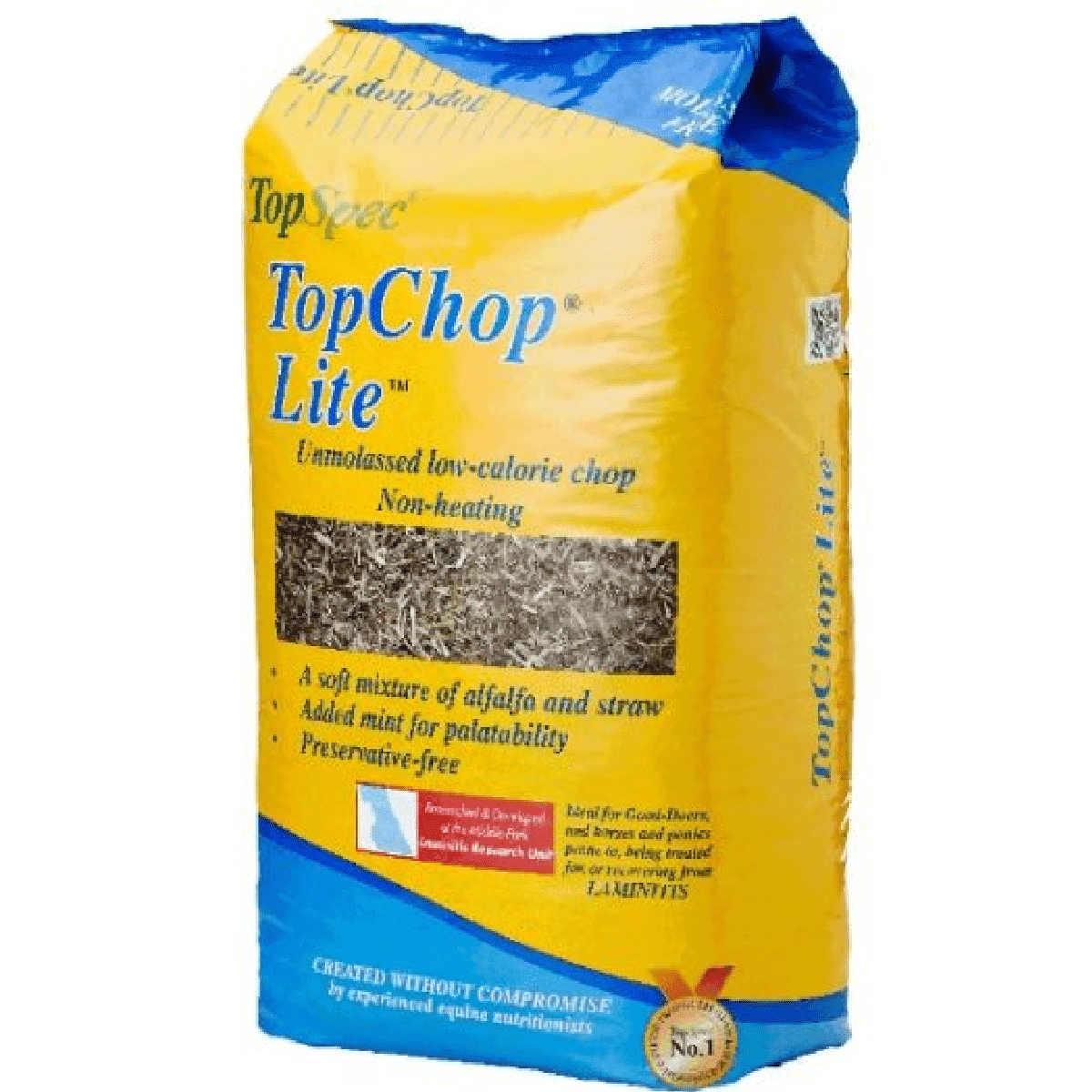
TopSpec Top Chop Lite is a chopped, low-calorie fibre blend tailored for horses that require controlled energy intake or have dental issues, delivering consistent particle size for reduced choking risk and easy eating. Technically it offers a more predictable energy and fibre delivery than whole bale hays such as Readigrass and can reduce wastage and feeding labour compared with loose hay, giving a clear operational saving for busy yards. Compared with alfalfa-based products it provides a lower protein/calcium alternative better suited to laminitis-prone animals.
Simple System Lucie Stalks
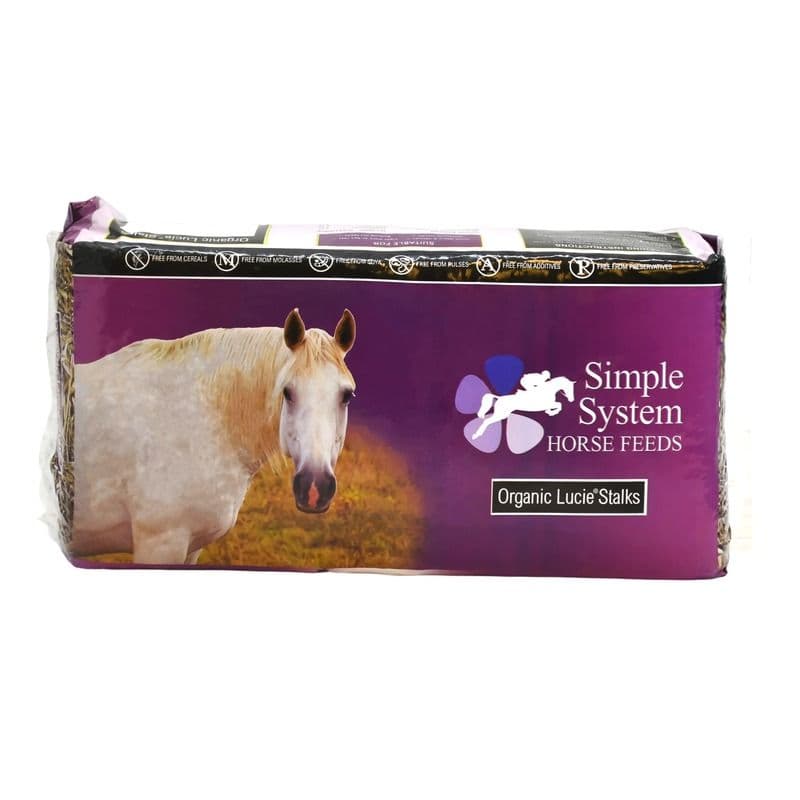
Simple System Lucie Stalks is a straw-based high-fibre option developed to extend forage intake with minimal calories and prolonged chewing time for easy keepers. Its financial advantage is a low cost per bale and long shelf life compared with moist or processed forages like Pre Alpin Wiesencobs, while technically it supplies bulk without adding sugars or starch. When blended with a nutrient-dense hay it becomes a practical weight-management tool versus richer feeds like Alfa-A.
Thunderbrook Healthy Herbage
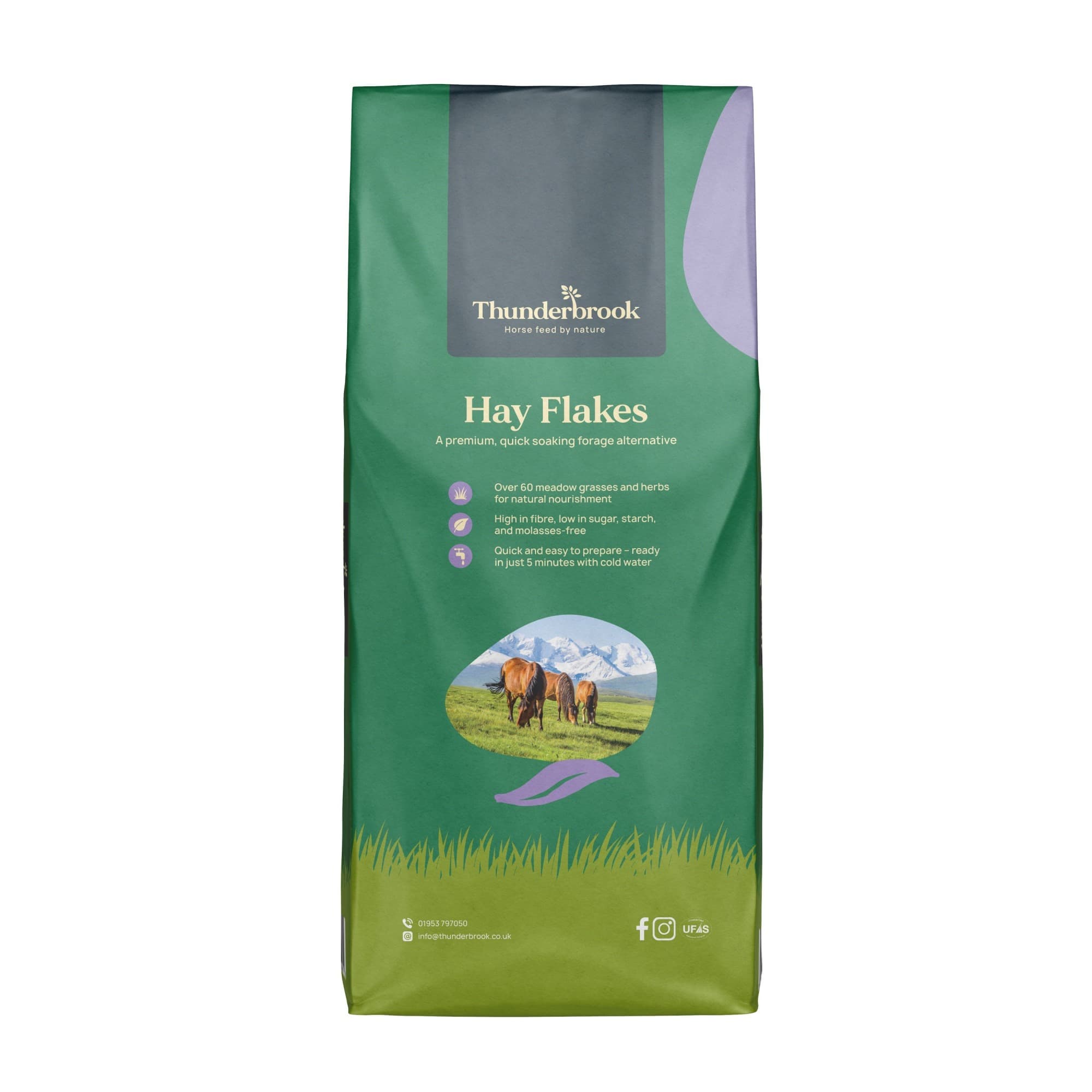
Thunderbrook Healthy Herbage is a tailored low-sugar, high-fibre forage blend formulated specifically for metabolic horses and those needing strict sugar control. It holds its position by combining laboratory-tested low WSC content with good palatability, offering a technical advantage over generic grass hays like Readigrass and potential feed-cost savings by reducing the need for extra supplements. Compared with chopped convenience feeds it remains closer to traditional hay handling while meeting strict sugar targets.
Marksway Horsehage High Fibre
Marksway HorseHage High Fibre is a long-cut, high-fibre hay aimed at mimicking natural grazing and supporting digestive health in both leisure and performance horses. It occupies a mid-price position between economy grass and premium alfalfa, delivering dependable fibre intake and typically lower daily costs than highly processed feeds like TopChop due to reduced wastage. Its consistent fibre profile and palatability make it a market leader for yards prioritising gut health and steady intake.
Allen & Page Fast Fibre
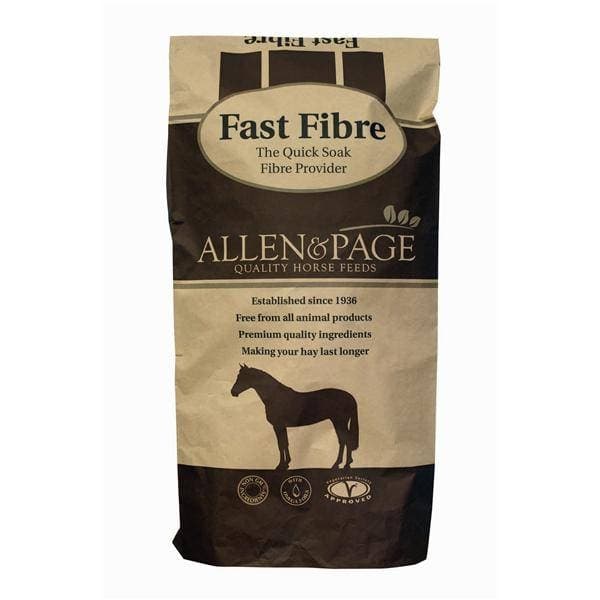
Allen & Page Fast Fibre is a coarse chopped, fast-soaking fibre product that balances quick rehydration with prolonged chewing, designed for horses that need rapid feed prep without sacrificing fibre content. Its technical selling point is rapid soak time compared with dense hay bales such as HorseHage, reducing stable prep time and water usage, while remaining competitively priced against premium bespoke mixes like Healthy Herbage. For competition yards and busy livery yards it offers a practical middle ground between convenience and fibre quality.
Agrobs Pre Alpin Wiesencobs
Agrobs Pre Alpin Wiesencobs are extruded meadow cubes from Germany that provide a highly consistent, low-dust, nutrient-stable alternative to loose hay and bales, simplifying storage and portion control. Technically they score highly for laboratory-tested consistency and low mould risk compared with baled hays, and although typically pricier per tonne they can reduce waste and give predictable intake—benefits for respiratory or metabolic horses. Compared with both alfalfa and straw alternatives, Pre Alpin delivers a meadow-like nutrient profile in compact, transportable form.
Why forage matters: evidence and practical takeaways
Scientific research and veterinary guidance consistently show that forage is essential for normal digestive function, behavioural welfare, and metabolic stability in horses. Forage provides the fibre needed for healthy hindgut fermentation, helps regulate gastric acid by promoting chewing and saliva production, and reduces the risk of abnormal behaviours linked to low fibre intake. Studies on different conserved forages demonstrate that managing sugar levels and dust exposure can reduce laminitis risk and respiratory problems. For owners and yard managers, understanding basic forage analysis and practical handling—such as storage, testing, and feeding strategies—lets you match forage to each horse's needs safely and cost effectively.
Fibre is central to hindgut health: horses are adapted to eat continuously, and consistent access to good-quality forage supports healthy microbial populations and reduces colic risk.
Sugar and starch control is important for at-risk horses: testing for water-soluble carbohydrates (WSC) helps identify low-sugar hay or haylage suitable for laminitis-prone animals.
Haylage and conserved forage offer nutritional consistency: when properly fermented and stored, haylage can retain nutrients and reduce dust compared with dry hay, but requires careful handling.
Forage analysis is practical and predictive: a lab report showing dry matter, WSC, protein, neutral detergent fibre (NDF) and ash helps match forage to workload, life stage and metabolic conditions.
Respiratory health is affected by dust and mould: managing storage, using low-dust bales or soaking hay where appropriate can reduce respiratory irritation and allergic responses.
Feeding behaviour and mental welfare: providing forage for longer periods reduces boredom and crib-biting or weaving, improving overall horse welfare.
Simple, research-backed steps include testing forage annually, feeding by weight not volume, introducing new forage gradually, and consulting an equine nutritionist for medical cases.
Frequently Asked Questions
Which forage is best for horses needing metabolic control?
Dengie Alfa-A Original is the ideal choice for horses needing metabolic control because it provides a consistent high-fibre and low-starch profile. It contains approximately 2% starch, making it a reliable option for owners looking to manage energy intake without relying on cereals.
What is the starch content of Dengie Alfa-A Original?
Dengie Alfa-A Original contains approximately 2% starch. This low-starch level, combined with its rich fibre, calcium, and quality protein content, makes it a suitable forage for horses that require steady energy without the spikes associated with higher-starch feeds.
Is Spillers Readigrass a cost-effective option for daily feeding?
Spillers Readigrass is an economical choice for everyday feeding as it competes as a lower-cost, traditional grass option compared to processed fibres or extruded cubes. It provides a consistent, palatable forage that mimics fresh pasture while remaining suitable for horses with metabolic concerns.
Which forage is suitable for horses with respiratory issues?
TopSpec Top Chop Lite is suitable for horses with respiratory issues due to its low dust content and soft texture. Additionally, Spillers Readigrass is a good alternative for these horses as it soaks quickly, which helps to further reduce dust and support sensitive respiratory systems.
Conclusion
Forage and hay choices in the UK combine animal health science with practical concerns like storage, cost and sustainability. We hope this overview helped you understand what to look for when sourcing forage in 2026. If you did not find exactly what you need here, refine your search by forage type, sugar level, bale size or region to expand or narrow results and quickly locate the right option for your horses.