

Pebble, Gravel and River Rock Accents — Top 7 for Reptile Habitats in the UK 2026
Pebbles, gravel and river rock are decorative accents in a terrarium, not a general-purpose substrate. Used as a water-feature bed, a drainage layer beneath finer substrate, or a shallow riverbed detail, smooth inert stone rinses clean, does not rot, and will not shift the pH of a water bowl or turtle tub. Used as the enclosure floor for a terrestrial lizard or a young tortoise, the same stone is a recognised impaction hazard: exotics vets list gravel and pebbles among the substrates most often swallowed alongside food, and swallowed stone does not break down. British keepers therefore tend to reserve pebbles and river rock for aquatic and semi-aquatic set-ups, turtle tubs and drainage layers, and to feed any animal housed over loose material in a separate container. This page covers the riverbed pebbles and gravel accents UK stockists sell, together with the sands and soil mixes that usually go in the layers around them, and is clear about which product does which job.
Inception's AI took the time to understand this market in the UK · · How we pickWe may earn a commission on purchases. It never affects our rankings.
Top Picks Summary
ProRep Turtle Pebbles
ProRep Turtle Pebbles are sold as aquarium-safe stone accents for semi-aquatic and tortoise displays. Larger rounded pebbles rinse more easily and raise less dust than fine sands such as Komodo CaCo Sand, but size alone does not make stone safe underfoot: any pebble small enough to be mouthed can be swallowed, so keep them to water features and display areas and feed off-substrate. They sit mid-range on price and last well, which is where the value is against pricier engineered mixes like Arcadia EarthMix Arid.

Estimated£6 – £15
Exo Terra Riverbed Sand
Exo Terra Riverbed Sand is a reptile-specific riverbed substrate engineered with a realistic grain profile and low-dust formula to support burrowing, humidity control, and natural-looking accents in terrariums. It earns best-in-class placement for this Pebble, Gravel and River Rock Accents list because its technical formulation prioritizes reptile safety and habitat function—typically commanding a modest premium over aquarium gravels but offering better suitability for digging species than decorative aquarium-only products.

Estimated£6 – £11
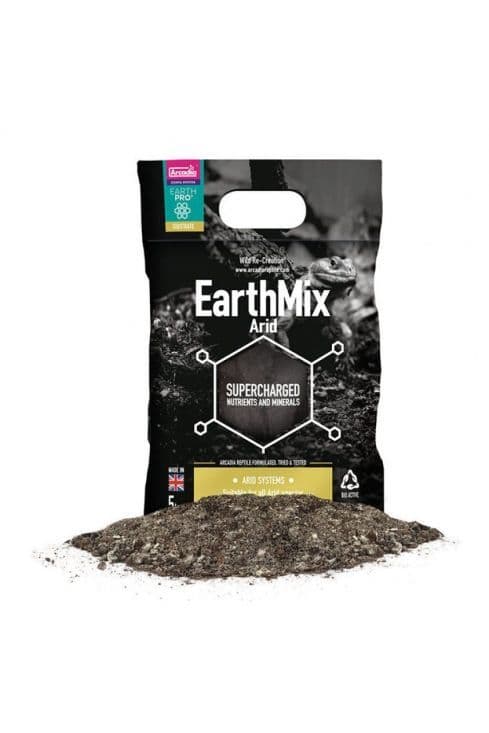
Arcadia EarthMix Arid
Arcadia EarthMix Arid is positioned as a best-in-class engineered arid substrate, formulated for precise drainage, moisture buffering, and uniform particle sizing that supports desert terrarium ecology. It commands a premium but delivers technical advantages—reduced replacement frequency and better plant/reptile health—compared with the budget Zoo Med pebbles and the more generalist HabiStat mix, making it the technical leader for arid-focused terrarium setups.
Estimated£6 – £14
Zoo Med Aquatic River Pebbles
Zoo Med Aquatic River Pebbles is the market leader for inexpensive, inert aquatic and riparian substrates, prized for stability, affordability, and minimal impact on water chemistry. Its financial advantage and low-maintenance profile make it the go-to option versus Arcadia's higher-cost engineered blends and HabiStat's nutrient-bearing tortoise mixes, particularly for terrarium setups that need a simple, reliable base layer.

We may earn a commission on purchases. It never affects our rankings.
£12.18GBP£15.74
Komodo Caco Sand
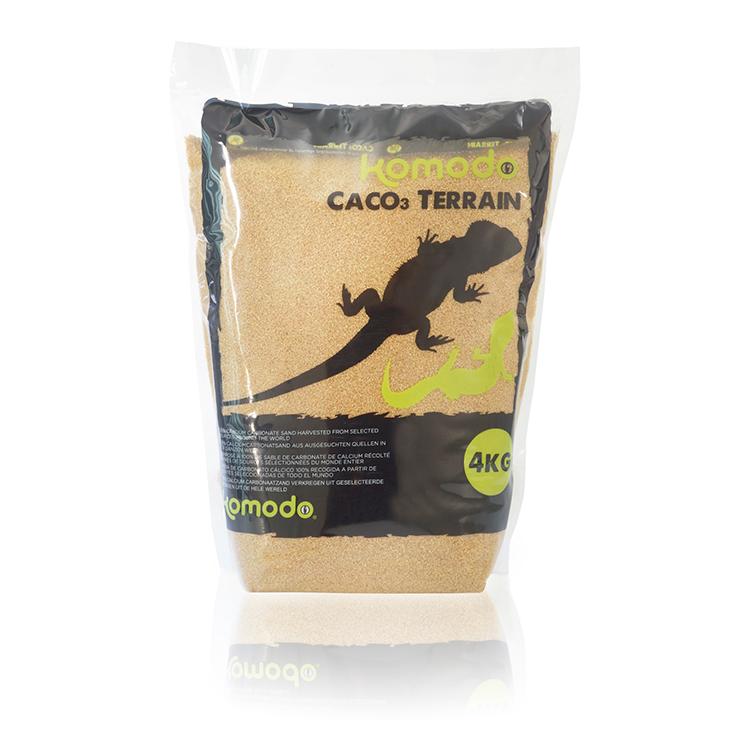
Komodo CaCo Sand is a calcium-carbonate sand sold as a budget route to a desert look. It holds impressions well and is cheap, but calcium sands are the most criticised substrate class in UK reptile keeping: they are palatable to some lizards, which encourages deliberate eating rather than accidental ingestion, and they can clump once swallowed. Its 3.6 rating is the lowest on this page. Keepers who use it feed off-substrate and rinse thoroughly; those who would rather not carry the risk choose a soil-sand mix such as Arcadia EarthMix Arid, or flat slate.
We may earn a commission on purchases. It never affects our rankings.
£12.99GBP£13.59
HabiStat Tortoise Substrate
HabiStat Tortoise Substrate is a specialist terrestrial mix optimized for chelonians, offering a balance of moisture retention, friability, and added minerals that support shell and digestive health. Priced between Arcadia and Zoo Med, it provides a cost-effective middle ground—more nutritive and water-holding than Zoo Med pebbles but less specialized for extreme arid conditions than Arcadia—suiting mixed or tortoise-centered enclosures.

Estimated£7 – £20
Lucky Reptile Desert Bedding
Lucky Reptile Desert Bedding is a low-dust sand blend from a German specialist, chosen for consistent grain sizing and stable burrows for desert species rather than for decorative effect. It can cost more to land in Britain than domestic sands. Like every loose sand on this page it is a substrate rather than a pebble accent — compare it with Komodo CaCo Sand on price and dust, and reach for Zoo Med Aquatic River Pebbles instead if what you actually want is stone.
We may earn a commission on purchases. It never affects our rankings.
£8.10GBP
How pebbles, gravel and river rock are actually used in a terrarium
Exotic-animal veterinary guidance is consistent on one point: loose stone is a swallowing hazard, and gravel and pebbles appear on most vets' lists of substrates to avoid under terrestrial reptiles. That does not make stone useless — it makes it a decor and drainage material rather than a floor. The working consensus among UK keepers is to put smooth, inert stone where the animal does not forage over it, keep grain sizes well clear of anything a species might mouth while feeding, and feed outside the enclosure whenever loose material is present.
Stone is not a safe floor: vets list gravel and pebbles among the substrates most often ingested with food. Keep them to water features, turtle tubs and drainage layers rather than the main enclosure floor.
Feed off-substrate: an animal housed over any loose material should be fed in a separate container, which removes most accidental ingestion.
Drainage and capillary action: a coarse pebble or riverbed layer beneath finer substrate improves drainage and prevents waterlogging in humid or semi-aquatic setups.
Inert materials are safer: non-calcareous, chemical-free stone will not shift pH or leach minerals into water features and damp substrates.
Thermal and microclimate effects: rock and log placement influences heat retention and cool refuges, helping create the basking gradient reptiles need — flat slate or unglazed tile does this without the ingestion risk.
Bioactive compatibility: inert stone and a proper drainage layer support beneficial microfauna when combined with leaf litter and active substrate cleaners.
Frequently Asked Questions
Can I use pebbles or gravel as a reptile substrate?
Not as the enclosure floor. Exotics vets list gravel and pebbles among the substrates most often swallowed with food, and stone does not break down once ingested. Use pebbles and river rock as decor in water features and turtle tubs, or as a drainage layer beneath finer substrate, and feed any animal housed over loose material in a separate container.
Which pebbles should I buy for a turtle enclosure?
Choose smooth, inert river pebbles large enough that the turtle cannot swallow them. Zoo Med Aquatic River Pebbles (rated 4.4-4.4) and ProRep Turtle Pebbles are the two stone options on this page; both are non-toxic and pH-neutral, and both should be rinsed thoroughly before they go in the water.
Does Exo Terra Riverbed Sand support burrowing and humidity control?
Yes. It is a fine natural sand with a low-dust, terrarium-safe formulation that holds shape for burrowing and helps buffer humidity, rated 4.2. It is a sand rather than a pebble accent, and like any fine loose substrate it carries an ingestion risk for species that feed off the floor, so feed off-substrate.
Is Arcadia EarthMix Arid worth the price for desert setups?
It is a sand-soil bioactive mix rather than a pebble accent, sold in the UK at roughly £6-£14 for a 5-10 litre bag, and rated 4.6 — the highest here. Keepers pick it for consistent particle sizing and free drainage in planted arid vivaria. If all you need is a decorative stone layer or a drainage base, it is more product than the job requires.
Conclusion
The seven products here cover two different jobs, and it is worth being clear which is which. Zoo Med Aquatic River Pebbles and ProRep Turtle Pebbles are the stone accents — for turtle tubs, water features and drainage layers under finer material. Exo Terra Riverbed Sand, Arcadia EarthMix Arid, Komodo CaCo Sand, HabiStat Tortoise Substrate and Lucky Reptile Desert Bedding are loose substrates rather than pebble accents; they appear here because UK keepers buy them alongside stone, not instead of it. For stone specifically, the Zoo Med river pebbles are the straightforward pick: inert, pH-neutral, widely stocked and cheap enough to replace. Whichever you choose, keep loose stone out of enclosures where the animal forages, and feed off-substrate. To refine your search, filter by species, substrate type, grain size or UK retailer availability.