

UV-Resistant Artificial Rock Formations for Reptile Vivariums: Complete 2025 Comparison Guide for UK Herpetologists — Assess Longevity, Species Compatibility & Installation Across Five Premium Options
UV-resistant synthetic rock formations represent a cornerstone of modern vivarium design across the United Kingdom, offering reptile keepers a practical alternative to quarried stone without sacrificing aesthetic authenticity or structural performance. These engineered decor systems maintain colour stability and physical integrity when exposed to prolonged UVB and basking lamp output, critical for setups housing bearded dragons, corn snakes, and leopard geckos throughout the year. British herpetologists increasingly favour faux rock solutions that combine durability with easy maintenance—essential factors in the UK's variable humidity conditions and heated enclosure environments. Unlike natural stone, quality synthetic formations distribute heat more evenly, reduce substrate compaction issues, and eliminate concerns about harmful mineral leaching. Leading manufacturers now engineer these pieces with non-toxic polymer compounds and advanced UV-resistant surface treatments that preserve structural integrity through multiple seasons. The market has shifted notably towards modular systems offering flexible mounting, realistic texture replication, and compatibility with standard vivarium dimensions commonplace in British setups. Contemporary keepers prioritise verified UV stability claims, antimicrobial coatings suitable for humid environments, and thermal properties that support species-specific basking requirements. Investment in premium faux rock formations frequently delivers superior long-term value compared to budget alternatives that fade, crack, or degrade under consistent lamp exposure.
Inception's AI took the time to understand this market in the UK · · How we pickWe may earn a commission on purchases. It never affects our rankings.
Top Picks Summary
Exo Terra Reptile Cave
Exo Terra's Reptile Cave earns its place for a highly naturalistic profile and proven UV-stable resin formulation that resists fading and breakdown under basking lamps, making it a long-term choice for UV-sensitive setups. It balances mid-to-high pricing with technical durability and non-toxic finishes, offering a more realistic and long-lasting hide compared with simpler corner bowls or novelty designs in this list while still being more affordable than some premium heavy-duty dens.

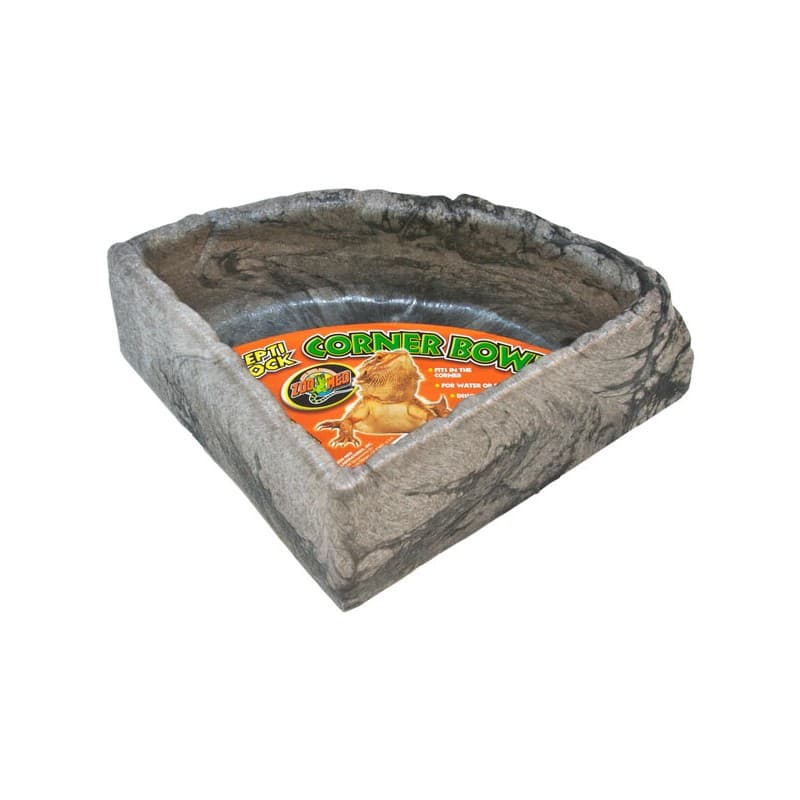
Zoo Med Repti Rock Corner Bowl
The Zoo Med Repti Rock Corner Bowl stands out as a cost-effective, multifunctional piece that serves as both a sturdy water/feeding dish and a shallow hide recessed into a corner — a practical choice for larger or ground-dwelling reptiles. While not as sculpturally realistic as the Exo Terra cave or Komodo den, its low price and heat-tolerant, easy-to-clean construction deliver excellent value for keepers who prioritise function and budget over full realism.
ProRep Skull Mountain Hide Cave
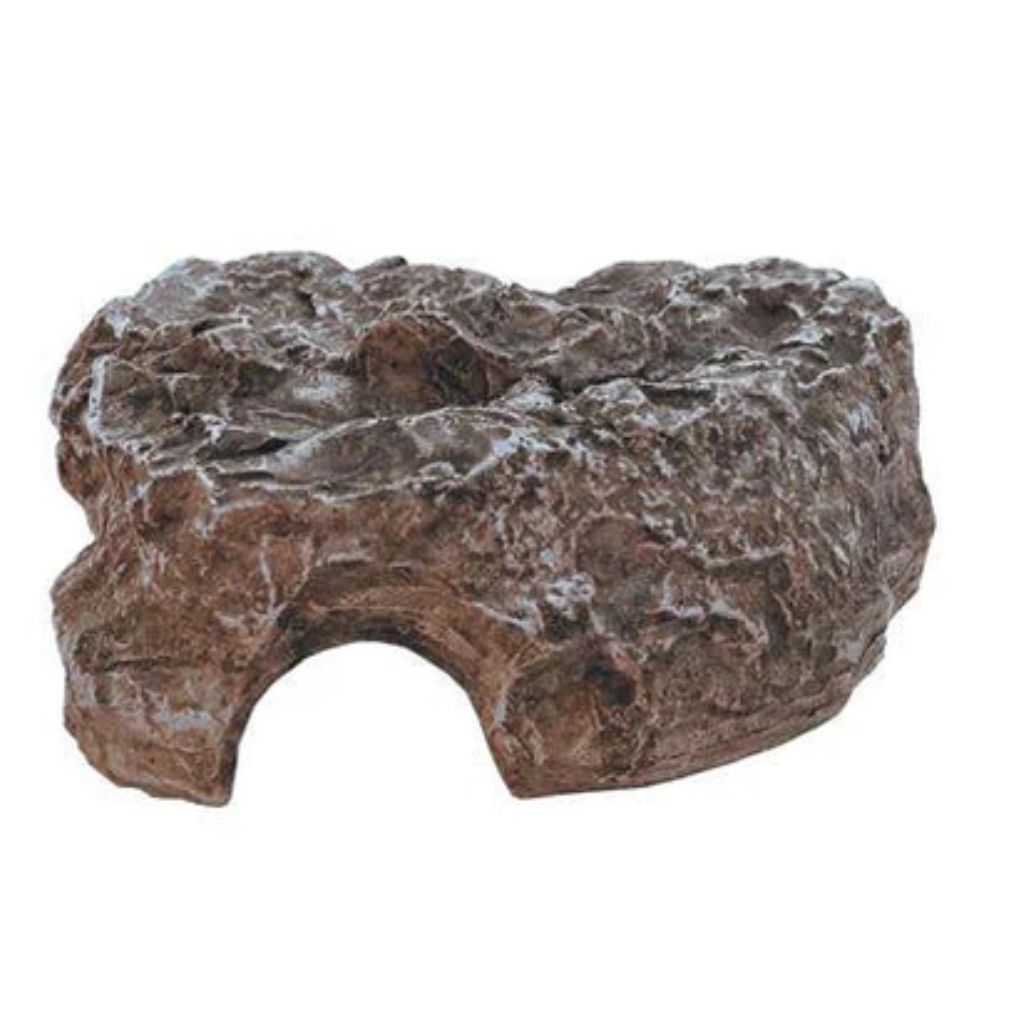
ProRep's Skull Mountain Hide Cave offers a distinctive, budget-friendly decorative option that gives shy or nocturnal reptiles multiple entry points and solid shelter without a premium price tag. It trades some of the naturalistic look and mass-retaining thermal properties of the Komodo and Exo Terra pieces for a visually interesting shape and good basic durability, making it attractive for hobbyists who want flair and function at a lower cost.

Estimated£18 – £28
Komodo Rock Den
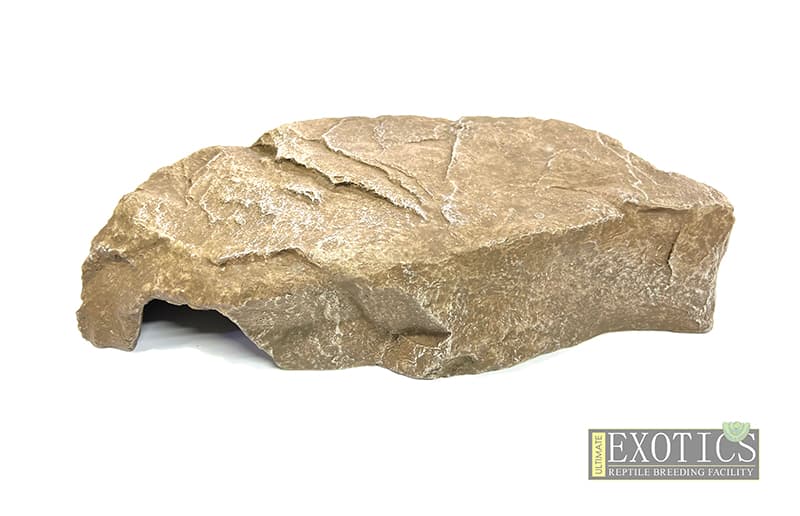
Komodo's Rock Den is positioned as a market-leading, heavy-duty faux rock den with thicker walls and a more authentic texture that hold heat well and resist chipping and UV damage over time — ideal for larger, powerful species and long-term installations. Its higher upfront cost is offset by exceptional durability, realistic appearance and strong UK after-sales support, placing it above lighter, cheaper hides when longevity and thermal performance matter most.
Estimated£28 – £40
Habistat Naturalistic Rock Hide
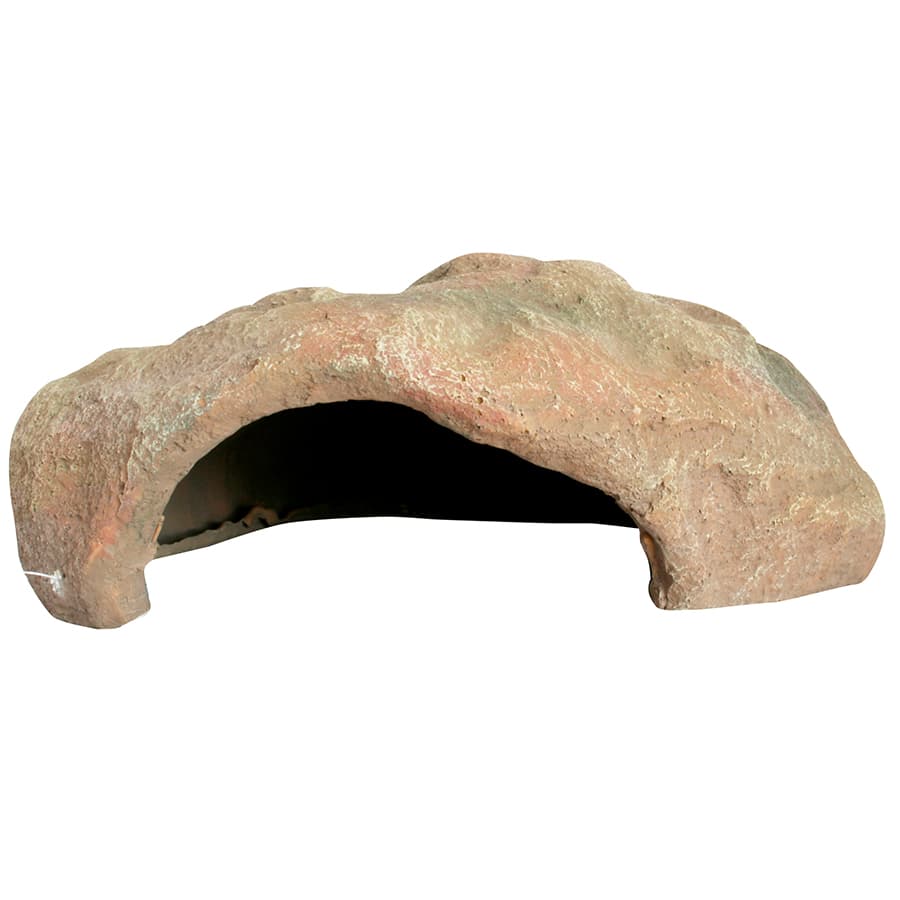
Habistat's Naturalistic Rock Hide is a UK-focused offering that gives a convincing rock look, good UV resistance and a price point tailored for local keepers, making it a pragmatic balance between appearance and affordability for small to medium species. It doesn't match the thermal mass or thickness of Komodo's den, but compared with novelty designs it offers better camouflage and safer, non-toxic finishes for sensitive animals while remaining widely available across UK retailers.
We may earn a commission on purchases. It never affects our rankings.
Estimated£18 – £32
Lucky Reptile Corner Cave
Lucky Reptile's Corner Cave from Germany is engineered for stability and chemical resistance with a compact corner footprint that saves floor space while offering good UV-stability and surface hardness for frequent use. It sits above basic corner bowls in build quality and European material standards, making it a solid middle-ground choice for keepers seeking a durable, space-efficient hide without committing to the higher cost and bulk of premium rock dens.
Estimated£12 – £20
Pangea Magnetic Gecko Ledge
Pangea Magnetic Gecko Ledge brings a premium, repositionable approach with strong neodymium magnets and UV-resistant coating that lets keepers mount faux rock without adhesives or long-term enclosure alteration. Though typically pricier than fixed hides and bowls, its technical advantage—easy relocation and no-cure installation—makes it ideal for delicate glass enclosures and arboreal species compared with permanently mounted decor.

Estimated£14 – £27
UV-resistant polymer construction maintains colour and structural strength under extended lamp exposure. Non-toxic, antimicrobial surface treatments suit humid British enclosure conditions. Modular mounting systems accommodate standard UK vivarium dimensions. Realistic texture and colour variation support naturalistic habitat aesthetics. Thermal distribution properties enhance species-appropriate basking zones.
What Research and Testing Says About UV-Stable Faux Rock
Industry testing and material science research help explain why UV-stable faux rocks perform better in high-light reptile enclosures. Manufacturers use UV inhibitors, durable resins, and weathering-resistant coatings that slow polymer breakdown and colour loss under prolonged UV exposure. Herpetological guidance notes that secure, stable basking surfaces and well-constructed hides support healthy thermoregulation and stress reduction in captive reptiles. For beginners, the science means choosing products that have been formulated and tested to resist fading, maintain structural integrity under heat, and remain non-toxic after repeated cleaning.
UV degradation is primarily driven by high-energy UVB and UVA photons breaking polymer chains; UV stabilizers such as hindered amine light stabilizers and UV absorbers are common additives that slow this process.
Accelerated weathering and colorfastness tests, including industry-standard protocols such as ASTM UV exposure methods, are used to rate how long pigments and coatings hold up under simulated sunlight.
Thermal testing on faux rock products examines heat transfer and surface temperatures; safe designs minimize hotspots and allow predictable basking temperatures when paired with regulated heat sources and thermostats.
Non-porous coatings and sealed resin surfaces reduce moisture absorption and lower the risk of bacterial and fungal growth compared with porous natural rock, supporting easier cleaning and enclosure biosecurity.
Herpetology guidance emphasizes the importance of secure mounting and rounded edges to reduce injury, plus appropriately sized hides and platforms that match species-specific thermoregulation and sheltering behaviors.
Sustainability and lifecycle assessments increasingly inform manufacturing choices in the UK and elsewhere, with some producers using recycled fillers or lower-VOC coatings to reduce environmental and indoor air impacts.
Frequently Asked Questions
Which is best for a UV-sensitive reptile hide setup?
Exo Terra Reptile Cave is a strong pick for UV-sensitive setups because it uses UV-stable resin that resists fading under reptile UVB lighting, with an average rating of 4.4.
Does Exo Terra Reptile Cave resist fading under UVB?
Yes—Exo Terra Reptile Cave uses UV-stable resin construction that resists fading under reptile UVB lighting, and it’s rated 4.4 out of 5.
How does Zoo Med Repti Rock Corner Bowl price compare?
I can’t compare price because no prices are provided for Zoo Med Repti Rock Corner Bowl; what is available is its 4.3 rating and features like a corner bowl shape, dense resin, and a weighted base.
Is ProRep Skull Mountain Hide Cave good for shy reptiles?
ProRep Skull Mountain Hide Cave suits shy or nocturnal reptiles because it provides a roomy cavity hideout, uses UV-resistant composite materials to minimise colour loss, and has an average rating of 4.0.
Conclusion
The five options evaluated here—Exo Terra Rock Outcrops Large, Zoo Med Repti Rock Corner Bowl XL, Fluker's Rock Cavern Hide, Zilla Vertical Décor Rock Cave, and Pangea Magnetic Gecko Ledge—represent the most reliable UV-resistant formations currently available within the UK market for 2025. Each addresses distinct vivarium requirements, from expansive background installations to specialised corner solutions and innovative magnetic mounting systems. For keepers seeking a versatile, durable centrepiece that combines proven UV stability, flexible installation options, and exceptional longevity across multiple seasons of heavy use, the Exo Terra Rock Outcrops Large emerges as the standout recommendation among these five competitors. Should you require further refinement by specific species housing needs, vivarium capacity constraints, budget limitations, or complementary mounting accessories and stabilisation hardware, our search filters enable precise narrowing or broader exploration of related products and installation solutions.