Best 5 Vaccine Temperature Loggers & Cold Chain Monitors for UK Equine Clinics — 2026 Guide
Published on Tuesday, 21 July 2026
Maintaining precise vaccine storage is critical for equine health programmes across the United Kingdom. Temperature data loggers and wireless monitoring systems ensure your vaccines remain potent and compliant with veterinary standards. Whether you operate a busy equine clinic, manage mobile vaccination rounds, or oversee on-farm storage facilities, continuous temperature tracking provides the documentation and real-time alerts needed to protect your cold chain. British equine practitioners now recognise that digital monitoring solutions deliver measurable advantages: they eliminate manual temperature checks, generate audit-ready records for regulatory reviews, and alert staff immediately if storage drifts outside the critical 2–8°C range. The UK veterinary sector increasingly favours systems combining proven accuracy (typically ±0.5°C or tighter), cloud or local network connectivity, extended battery performance, and field-tested durability. Modern loggers suit both stationary clinic fridges and portable coolers transported to remote stables or competition venues. This 2026 guide reviews five established systems chosen for their reliability, UK market availability, and suitability for equine health first aid programmes.
Top Picks Summary
HOBO MX2201 Wireless Temperature Logger
The HOBO MX2201 is a Bluetooth Low Energy wireless temperature logger that stands out for easy mobile setup and local data downloads—making it a practical, lower-cost wireless option for equine clinics that need fast checks during first-aid situations. Compared with the other devices in this list it trades enterprise cloud features for portability and long battery life, offering a strong balance of affordability and field-ready convenience for horse barns and traveling vets.

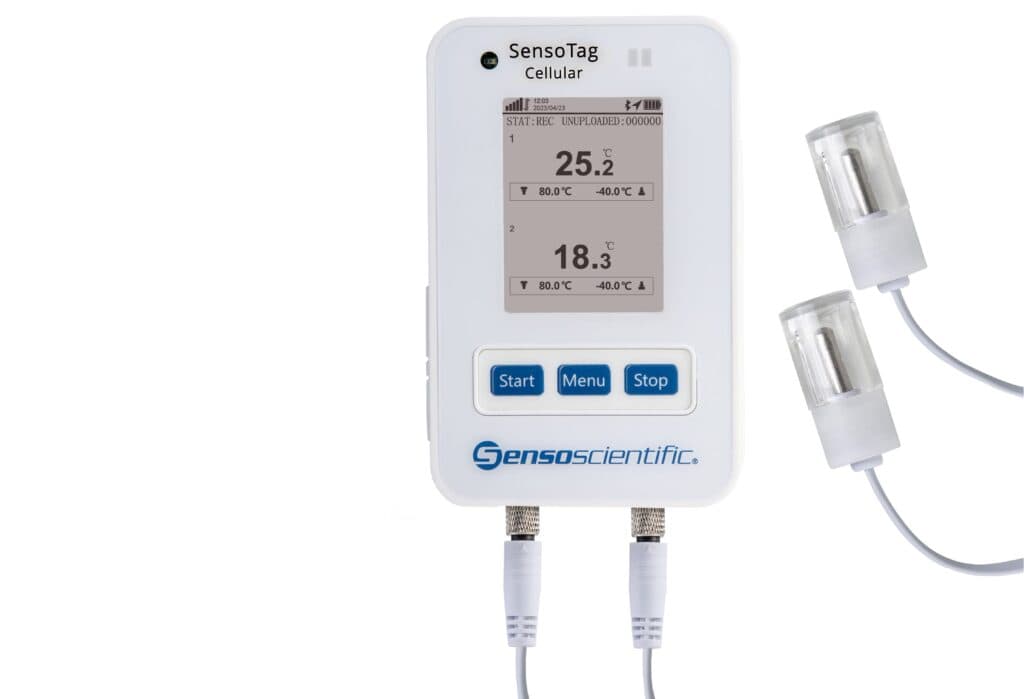
SensoScientific FridgeLog RF
The FridgeLog RF specializes in radio-frequency continuous monitoring and instant alarm transmission, which is ideal for multiple refrigerators or decentralized tack/medicine rooms on a farm where cell coverage is spotty. Financially it sits between simple standalone loggers and full enterprise systems, delivering stronger remote-alert and redundancy capabilities than basic USB loggers while avoiding the higher subscription costs of some cloud-first platforms.
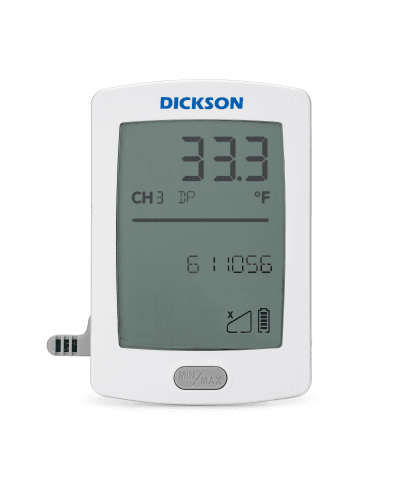
Dickson DSB Temperature Data Logger
The Dickson DSB is a straightforward, cost-effective temperature data logger designed for clinics and stables that prioritize budget and simplicity—offering reliable logging, USB download and straightforward compliance reporting without ongoing fees. Technically it lacks some wireless and cloud conveniences found in the other offerings, but its low purchase price and rugged simplicity make it an excellent entry-level choice for equine first-aid kits and small-scale vaccine refrigerators.
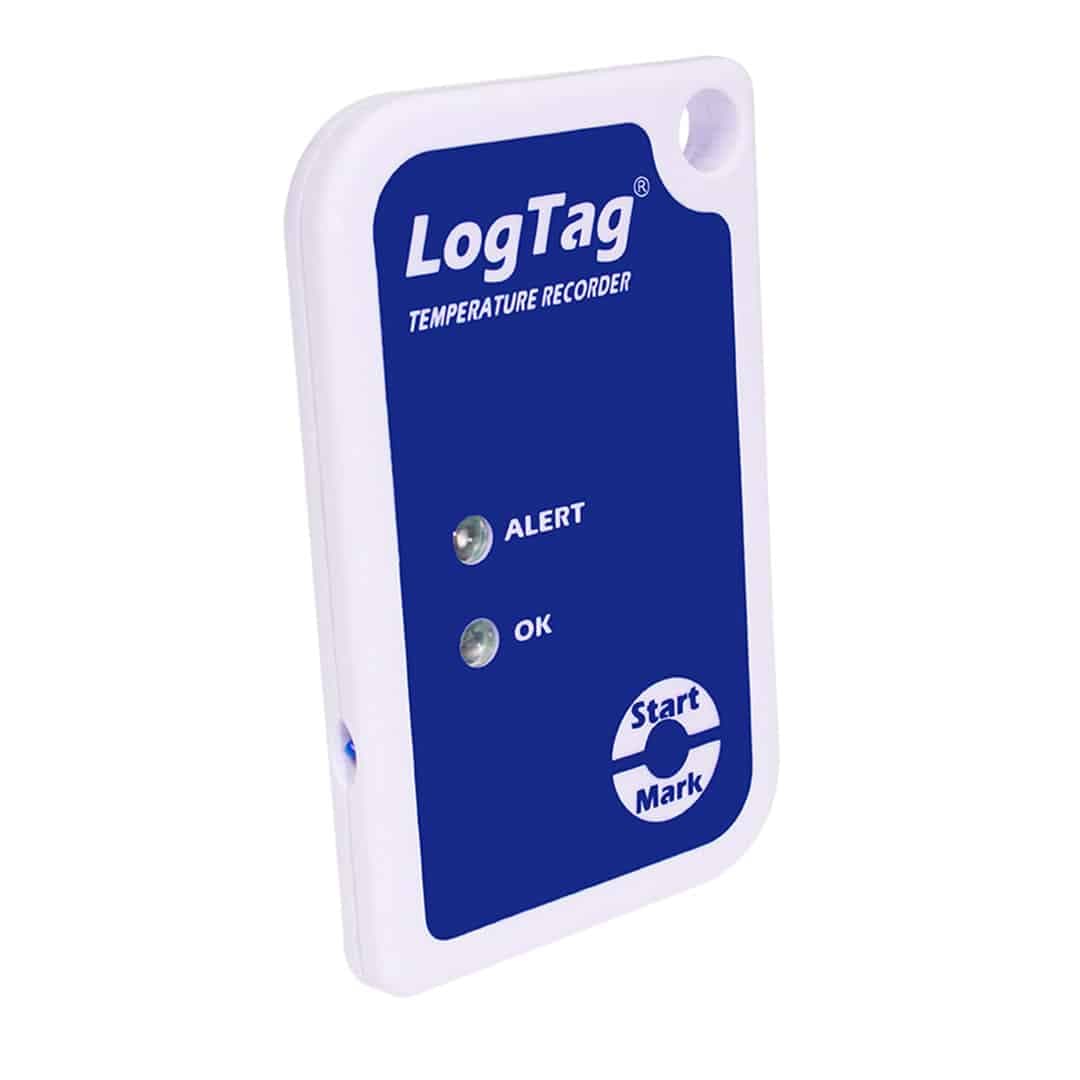
LogTag TRIX-8 Temperature Recorder
The LogTag TRIX-8 delivers high-accuracy logging, rapid sampling and a clear onboard display, which makes it especially useful for monitoring vaccine transports and short-term holding where seeing current readings at a glance matters. Compared to the other products here it emphasizes precision and transport-grade robustness—often justifying a higher unit cost for users who need fine-grained records during shipping or emergency moves of equine biologics.
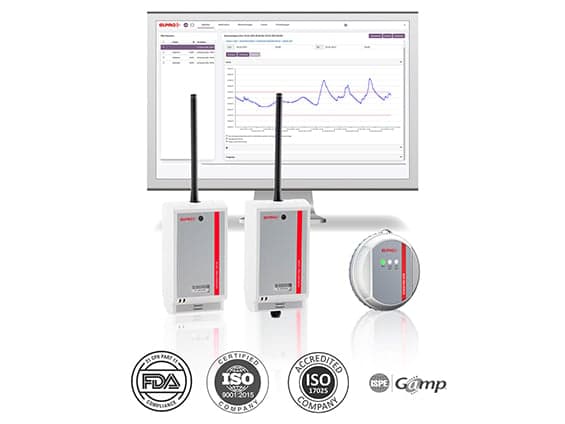
Elpro LIBERO ITS-E3 Wireless Monitor
The Elpro LIBERO ITS-E3 is an enterprise-grade wireless monitor with 24/7 cloud reporting, validated audit trails and multi-sensor support, making it the top choice for larger equine hospitals or practices that must meet strict vaccine storage compliance. While it commands a higher upfront and potential subscription cost than simpler loggers, it provides superior centralized oversight, automatic alarms and documentation features that reduce manual checks and risk for clinics managing many vaccine lots.
UK equine clinics benefit most from loggers offering traceable calibration certificates, intuitive software for exporting compliance records, configurable alarms for the 2–8°C vaccine window, and rugged enclosures suited to field conditions. Battery longevity, user-friendly interfaces, and seamless data export streamline daily operations and audits.
Why continuous temperature monitoring matters: science, guidelines, and real-world benefits
Temperature excursions degrade many vaccines and biologics. International and national guidance emphasizes continuous monitoring to maintain vaccine efficacy and enable traceability. Electronic loggers and wireless monitors reduce human error compared with manual checks, generate audit-ready records, and support timely corrective actions when alarms occur. For equine vaccine programs this lowers the risk of administering compromised doses and reduces replacement costs. Below are clear, beginner-friendly research and guidance points that underline these advantages.
Global and national guidance: WHO, CDC, and Health United Kingdom recommend continuous or frequent temperature monitoring for vaccine storage to protect potency and ensure safe use.
Vaccine stability research: Peer-reviewed studies and product stability data show many veterinary vaccines lose potency when repeatedly exposed to temperatures outside the recommended 2 to 8 degrees C window, with loss increasing as exposure time and excursion magnitude rise.
Impact of electronic monitoring: Field studies and program reports indicate that automated loggers and remote alert systems reduce the duration of temperature excursions versus manual checks, lowering vaccine spoilage rates and associated costs.
Accuracy and calibration: Scientific best practice highlights the need for devices with verified accuracy (commonly ±0.5 degrees C or better) and periodic calibration traceable to national standards to meet regulatory or clinic recordkeeping expectations.
Operational benefits: Continuous digital records simplify compliance, enable fast decision making after an excursion, and support inventory management by flagging repeated storage issues tied to specific refrigerators or transport containers.
Frequently Asked Questions
Which logger should an equine clinic buy for mobile checks?
Choose the HOBO MX2201 Wireless Temperature Logger: it uses Bluetooth Low Energy for smartphone downloads and on-site checks, has around ±0.2°C accuracy, and is designed for mobile equine clinic environments, with a 4.6 rating.
Does the HOBO MX2201 meet vaccine-grade temperature accuracy?
Yes—the HOBO MX2201 has high accuracy (around ±0.2°C) with its internal sensor, and it supports Bluetooth Low Energy for smartphone downloads and on-site checks; it’s rated 4.6.
How does the Dickson DSB compare on price and features?
The provided data doesn’t list a price for the Dickson DSB Temperature Data Logger, but it’s positioned as cost-effective and includes simple standalone logging with easy USB download and a front-panel display, plus configurable alarm limits; it’s rated 4.1.
What warranty or compatibility is listed for SensoScientific FridgeLog RF?
No warranty duration or compatibility list is provided for the SensoScientific FridgeLog RF; what’s listed is wireless RF continuous monitoring with real-time alarm notifications, cloud logging and audit-trail capabilities, and optional calibration certification, rated 4.2.
Conclusion
For UK-based equine practitioners, temperature monitoring is a practical safeguard and compliance necessity. The five solutions covered here address distinct operational scenarios: HOBO MX2201 Wireless Temperature Logger excels in portable, Bluetooth-connected field applications; SensoScientific FridgeLog RF delivers cost-effective, fridge-specific RF monitoring; Dickson DSB Temperature Data Logger remains a robust, proven standalone choice for offline locations; LogTag TRIX-8 Temperature Recorder offers straightforward, transport-ready single-use logging ideal for vaccine shipments; and Elpro LIBERO ITS-E3 Wireless Monitor provides validated, cloud-enabled monitoring with comprehensive alarm management for larger operations. For clinics seeking a validated, regulation-compliant system with strong remote alerting and detailed audit trails, the Elpro LIBERO ITS-E3 is frequently the optimal choice. Review our detailed comparisons using site search to explore calibration options, software features, pricing, and compatibility with your clinic's existing infrastructure. Find the right logger to secure your vaccine stocks today.