

Top 6 Synthetic Close Contact Training Saddles in the UK - 2026
Synthetic close contact saddles have become the go-to choice for UK riding schools, instructors and lesson programmes that demand reliability without compromise. Unlike traditional leather alternatives, these hardwearing saddles are engineered for high-volume environments where multiple riders of varying abilities work with horses of different shapes and sizes. The British climate brings persistent dampness, muddy yards and heavy indoor arena use, so easy-to-clean synthetic materials are particularly valuable. Riding school managers favour models with adjustable tree systems or modular gullet options together with pressure-relieving technologies such as CAIR panels or interchangeable flocking. These design features help maintain a secure, consistent rider position while accommodating the shifting needs of lesson programmes. Maintenance is straightforward: a quick rinse and towel dry gets a saddle back into service, repair costs are typically lower than for leather, and initial investment is substantially less for comparable performance. For establishments running back-to-back lessons, syndicate sessions or pony club activities, synthetic close contact saddles deliver measurable cost and time savings across the saddle lifecycle. This guide highlights six leading options available in the UK, chosen for proven performance and durability in demanding teaching environments.
Inception's AI took the time to understand this market in the UK · · How we pickWe may earn a commission on purchases. It never affects our rankings.
Top Picks Summary
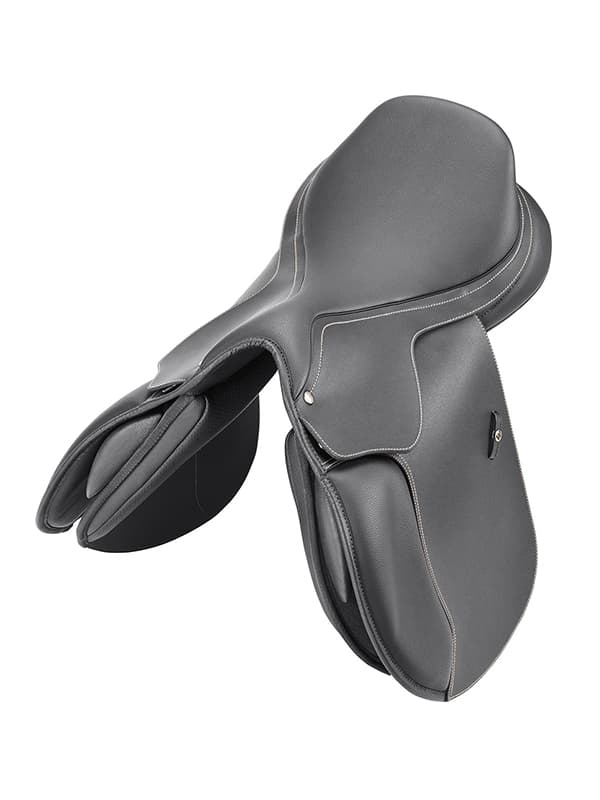
Wintec 500 Close Contact Saddle
The Wintec 500 Close Contact Saddle is a workhorse for UK riding schools thanks to its Easy-Change Gullet system, CAIR air panels and a close-contact design that speeds rider feedback and lesson progression. Its technical fit flexibility reduces repeated fitting costs compared with fixed-tree budget models on this list, while synthetic construction and simple wipe-clean surfaces save time and long-term maintenance expense compared with leather alternatives.
We may earn a commission on purchases. It never affects our rankings.
£749.00GBP
Thorowgood T4 Close Contact Saddle
The Thorowgood T4 Close Contact Saddle is a British-built, budget-conscious option that balances durability and adjustability for busy lesson barns, with an interchangeable gullet system and reinforced synthetic panels designed for high-frequency use. It undercuts premium synthetics like the Wintec 2000 on purchase price while offering better long-term fit flexibility than the cheapest mass-market saddles, making it a pragmatic choice when fleet cost-per-ride matters most.

Estimated£400 – £600
Wintec 2000 Close Contact Saddle
The Wintec 2000 Close Contact Saddle sits at the top of the range for synthetic close-contact options, offering a refined ergonomic seat, advanced CAIR technology and premium finish that extends usable life in a school environment. Although pricier up front than the Thorowgood and Kent & Masters models, its superior rider comfort and labour-saving maintenance justify the investment for schools prioritising lower replacement frequency and better progression outcomes.

We may earn a commission on purchases. It never affects our rankings.
Estimated£600 – £900
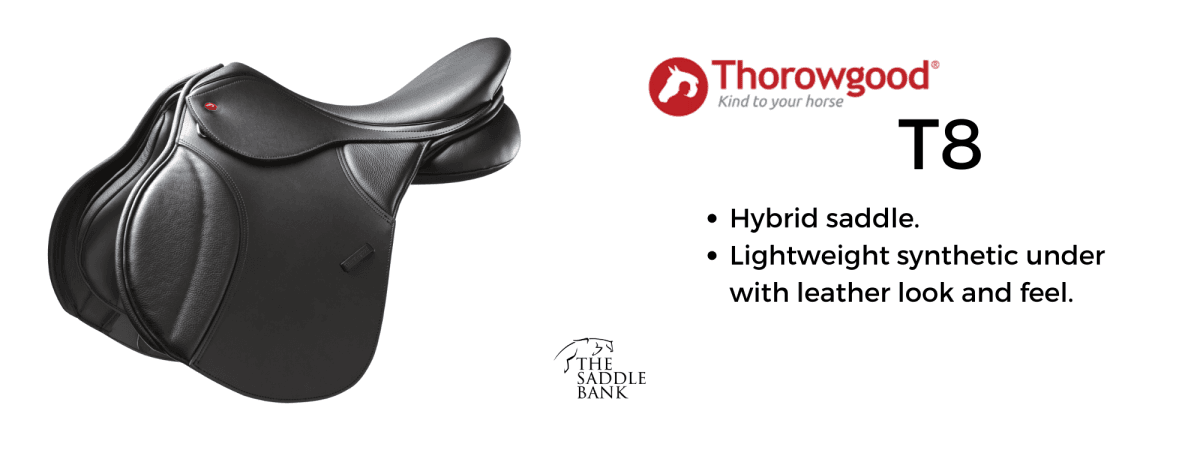
Thorowgood T8 Compact Close Contact Saddle
The Thorowgood T8 Compact Close Contact Saddle is tailored to pony and compact-horse programmes, delivering a lightweight, low-profile fit and easy-clean synthetic finish that speeds turnaround between lessons. Compared with larger close-contact saddles on this list it offers a niche but cost-saving solution for schools that operate many junior sessions, reducing the need for repeated expensive refitting or multiple saddles per pony.
Collegiate Convertible Close Contact Saddle
The Collegiate Convertible Close Contact Saddle is a dependable mid-range option that combines a comfortable, well-supported seat with convertible blocks and easy-clean synthetic leather, making it popular for mixed-ability lessons. It offers a cost-effective middle ground—more refined and longer lasting than the cheapest school saddles but significantly more affordable than top-tier Wintec models—helping programmes balance upfront spend and rider retention.

Estimated£250 – £450
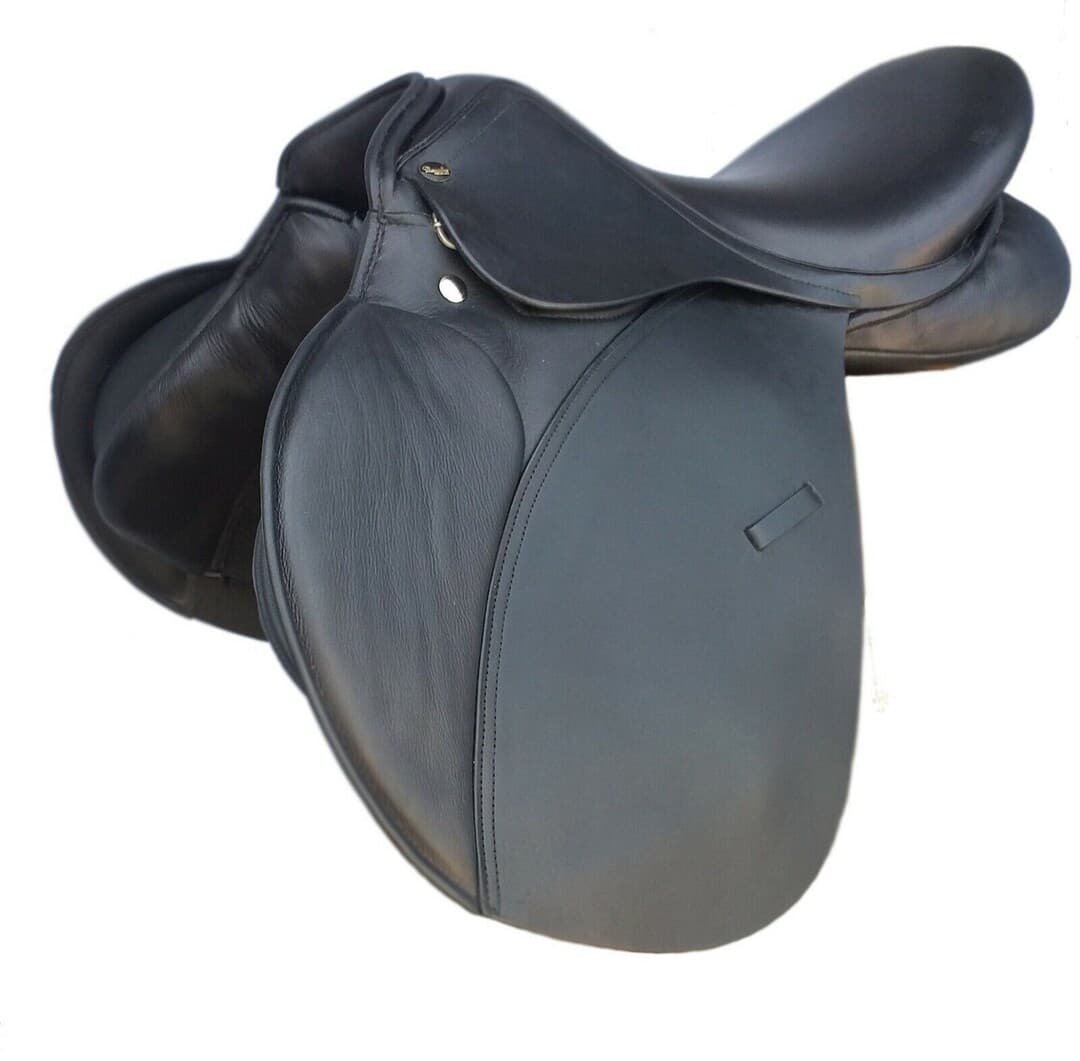
Shires Equikind Close Contact Saddle
The Shires EquiKind Close Contact Saddle emphasizes rugged durability and a wide-fit panel that copes well with the variety of horses found in school stables, with hard-wearing wipe-clean materials that reduce daily maintenance time. Financially it performs strongly for fleet owners because its longevity and low upkeep lower total cost of ownership compared with thinnerly finished budget models, even if it lacks some of the high-end ergonomic refinements of the Wintec 2000.
Estimated£250 – £450
What research and evidence support synthetic close contact saddles for training?
Research in equine biomechanics, saddle fitting and veterinary science supports many practical benefits attributed to modern synthetic training saddles. Studies and field testing performed by equine research groups and independent saddle testers have examined pressure distribution, fit stability and rider balance when using synthetic panels, modular gullets and air or foam-based pressure-relief systems. Practical trials in riding schools and commercial yards also show synthetic materials reduce downtime for cleaning and maintenance, improving lesson throughput and lowering total ownership cost. While individual saddle performance depends on correct fit for horse and rider, the overall evidence base supports synthetic close contact designs as a robust, cost-effective solution for high-use training environments.
Pressure distribution: Biomechanics testing shows well-designed panels and CAIR-style systems can reduce peak contact pressures and spread load more evenly along the horse’s back.
Consistent fit: Adjustable gullet and interchangeable flocking systems help maintain an acceptable fit as horses change condition, which is especially important in school settings with many riders.
Durability and moisture resistance: Laboratory abrasion and moisture tests demonstrate synthetic materials resist rot and mildew better than leather in persistently damp UK conditions.
Hygiene and turnaround: Synthetic surfaces are quicker to clean between lessons, reducing time out of service and lowering the risk of skin or coat problems in high-use animals.
Cost and lifecycle: Case studies from commercial yards indicate lower lifetime maintenance and repair costs for synthetic saddles, improving return on investment for training programs.
Animal welfare and rider safety: Independent fit assessments and veterinary input emphasise correct saddle selection and regular checks; when properly fitted, quality synthetic close contact saddles support both horse comfort and rider position.
Frequently Asked Questions
Which saddle suits riding schools swapping riders daily?
Choose the Wintec 500 Close Contact Saddle: it has an Easy-Change gullet system and CAIR air panels, designed for quick fit adjustments and close-contact rider feedback in high-volume school use; average rating 4.3.
What fit system does the Wintec 500 saddle use?
The Wintec 500 Close Contact Saddle uses an Easy-Change gullet system, so yards can adjust fit quickly; it also includes CAIR air panels; average rating is 4.3.
How does the Wintec 2000 compare to the Thorowgood T4 price?
No prices are provided for the Wintec 2000 Close Contact Saddle or the Thorowgood T4 Close Contact Saddle in the supplied data, so I can’t compare UK cost or value.
Is the Thorowgood T4 aimed at heavy lesson use?
Yes: the Thorowgood T4 Close Contact Saddle is described as robust British-made synthetic construction built for heavy lesson use, with an interchangeable gullet system for straightforward fit adjustments; average rating is 4.4.
Conclusion
Synthetic close contact saddles are now a practical standard for UK training environments because they combine durability, easy maintenance and modern fit technology. The six top options covered here — Wintec 500 Close Contact Saddle, Thorowgood T4 Close Contact Saddle, Wintec 2000 Close Contact Saddle, Thorowgood T8 Compact Close Contact Saddle, Collegiate Convertible Close Contact Saddle and Shires Equikind Close Contact Saddle — each bring strengths for busy schools and lesson programmes. For most commercial teaching environments the Thorowgood T4 Close Contact Saddle represents the best balance of durability, fit options and value, though the Wintec 500 and Wintec 2000 are strong choices where quick-fit gullet systems and rider comfort are priorities. I hope you found what you were looking for; you can refine or expand your search using the site search to compare sizes, gullet options and price ranges.