

Leading Force Plate Systems for Balance Testing in UK Clinics and Studios — 2026 Buyer's Guide
Force plate technology has become essential for physiotherapists, sports scientists, and rehabilitation specialists across the UK who need objective, quantifiable data on postural stability and movement quality. These sophisticated systems measure centre of pressure displacement, weight distribution asymmetries, and dynamic balance performance with exceptional precision, providing clinicians with the evidence they need to justify interventions, track patient outcomes reliably, and support insurance claims. Whether you're operating a busy NHS-affiliated clinic, a private physiotherapy practice, or a specialist sports performance studio, selecting the right force plate system means balancing several competing priorities: measurement fidelity and repeatability, integration with your existing clinical software and electronic patient records, realistic total cost of ownership including calibration and maintenance, straightforward operator training, and dependable technical support from UK-based providers. This comprehensive guide examines five market-leading platforms that are actively deployed across British healthcare and private practice settings, helping decision-makers evaluate which system best aligns with their clinical workflows, budget constraints, and long-term strategic vision. We've analysed each solution's strengths in clinical validation, ease of use, portability for multi-site operations, and suitability for different assessment protocols—from fall risk screening in elderly populations to concussion balance testing in elite sports environments.
Inception's AI took the time to understand this market in the UK · · How we pickWe may earn a commission on purchases. It never affects our rankings.
Top Picks Summary
Kistler Quattro Jump Force Plate System
The Kistler Quattro Jump is positioned as the research-grade leader for clinic and studio jump and balance assessment in the UK, offering ultra-high sampling rates and four synchronized plates for isolated limb and bilateral analyses. Its technical precision and seamless integration with biomechanics software make it the go-to for labs that prioritise data fidelity, although clinics should expect a premium price compared with more clinic-focused systems like Biodex or HUR. For 2026 UK installations it remains the top choice where maximal accuracy and advanced kinetic metrics justify the higher capital and support investment.

Bertec FP4060 Force Plate
The Bertec FP4060 stands out for high-bandwidth, low-noise ground reaction force measurement tailored to dynamic movement labs and motion-capture studios in the UK, offering a balance of performance and durability. Technically competitive with Kistler for dynamic tasks, Bertec often provides a slightly more cost-effective option for institutions needing strong integration with EMG and motion-capture systems. Its robust construction and responsive customer support make it attractive for busy clinical research facilities seeking lab-grade data without the top-tier Kistler price tag.
AMTI AccuGait Force Platform
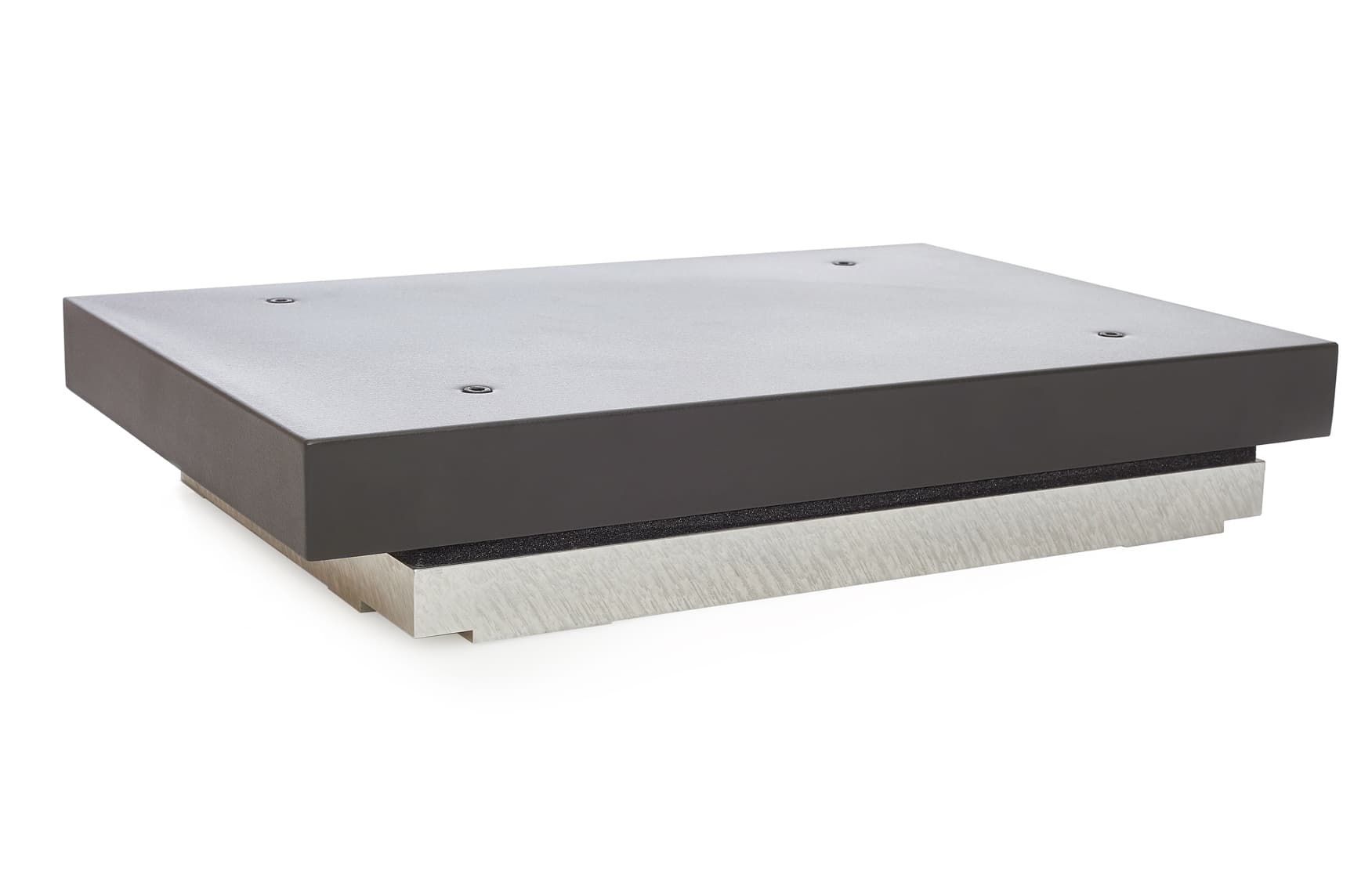
The AMTI AccuGait is a versatile, well-established force platform popular across UK clinics and gait labs for reliable gait and balance assessment, offering modular configurations that suit both studio and clinical footprints. It delivers excellent repeatability and strong software ecosystem at a mid-tier cost, making it a financially sensible choice for clinics seeking laboratory-capable data without the premium of Kistler or Bertec. For 2026 clinical deployments it is a pragmatic compromise between research-level accuracy and purchase/maintenance affordability.

Estimated£8,000 – £16,000
HUR BT4 Balance Testing System
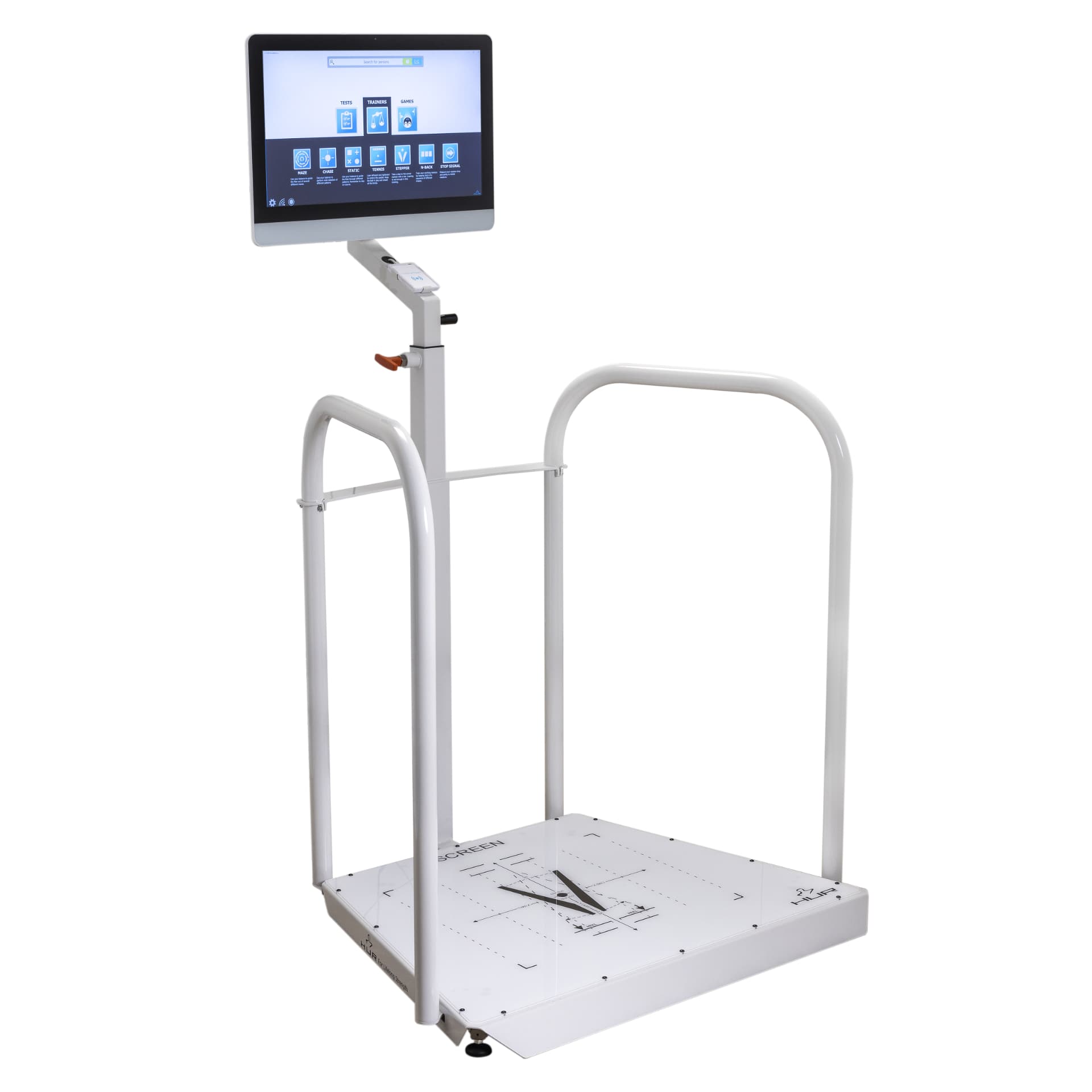
The HUR BT4 is a clinic-centric balance testing and training solution emphasising turnkey protocols, safety features and space-efficient hardware tailored to rehabilitation and studio environments in the UK. While it does not provide the raw force-plate granularity of Kistler or AMTI, its lower acquisition cost, integrated clinical assessments and streamlined reporting make it a high-value option for practices prioritising patient throughput and actionable outcomes over lab-level kinetics. For budget-conscious clinics and community studios in 2026, HUR’s combination of usability and targeted clinical metrics is a compelling financial and operational choice.
Estimated£6,000 – £12,000
Biodex Balance System SD
The Biodex Balance System SD is widely adopted in UK clinics for its clinician-friendly interface, multiaxial platform and proven rehab-focused protocols that simplify balance assessment and training. It offers strong clinical utility and lower acquisition and training overhead than research-grade force plates while still delivering meaningful stability indices for patient monitoring—making it a cost-effective staple for many studios and outpatient clinics. Compared with the others on this list, Biodex trades off the highest-force resolution for accessibility, portability and rapid integration into routine clinical workflows.

Estimated£10,000 – £18,000
These systems deliver laboratory-grade precision for assessing balance, fall risk, and postural control in clinical and studio environments. Each platform offers validated measurement protocols, user-friendly interfaces, and integration capabilities that align with modern UK healthcare delivery models.
Understanding Force Plate Technology and Clinical Applications
Force plates capture detailed information about how body weight distributes across the feet during standing and movement tasks, providing quantitative insights into balance strategies that would otherwise be invisible to visual observation alone.
Centre of Pressure (COP) analysis reveals postural sway patterns and stability margins during static stance and dynamic challenges
Weight distribution asymmetry detection helps identify movement compensation strategies following injury or neurological events
Dynamic balance protocols assess reactive stepping, directional stability, and fall recovery capabilities
Objective outcome measurement enables evidence-based documentation of patient progress for clinical records and insurance purposes
Standardised testing protocols ensure reproducible, comparable results across multiple sessions and different clinicians
Integration with gait analysis and motion capture systems provides comprehensive biomechanical assessment frameworks
Real-time biofeedback capabilities enhance rehabilitation engagement and accelerate motor learning in balance retraining
Regulatory compliance and NHS accreditation considerations for medical device classification in British healthcare settings
Frequently Asked Questions
Which force plate system should UK clinics buy for jump testing?
For UK jump and balance assessment, choose the Kistler Quattro Jump Force Plate System, which uses four independent plates for bilateral and isolated limb analysis and is rated 4.6.
What key spec does the Kistler Quattro Jump system offer?
The Kistler Quattro Jump Force Plate System features four independent plates with high sampling rates, which are ideal for jump kinetics and bilateral comparisons, and it’s rated 4.6 overall.
Is the Bertec FP4060 Force Plate good value for dynamic labs?
The Bertec FP4060 Force Plate is rated 4.6 and offers high-bandwidth, low-noise ground reaction force measurement with rugged, flush-mounted construction for clinical gait labs and dynamic testing.
How is the AMTI AccuGait Force Platform different from walkway systems?
The AMTI AccuGait Force Platform has a low-profile design for natural gait testing and easy walkway integration, with modular options for multi-plate arrays and motion-capture interfacing, rated 4.5.
Conclusion
Choosing a force plate system represents a significant investment in your clinic's diagnostic capability and professional credibility. The five systems examined here—AMTI AccuSway Plus, Bertec Balance Advantage, Kistler 9260AA Force Plate, Novel emed-x, and NeuroCom Balance Master—each bring distinct advantages to different practice models and clinical specialties. The AMTI AccuSway Plus excels for research-heavy environments requiring flexible protocol design; Bertec Balance Advantage shines when you need integrated motion capture alongside force data; Novel emed-x delivers comprehensive pressure mapping capabilities ideal for podiatry and foot biomechanics; NeuroCom Balance Master offers clinically validated, protocol-driven testing perfect for standardised assessments; and the Kistler 9260AA Force Plate remains the gold standard for absolute measurement accuracy and reliability across demanding research and clinical settings. Most UK practitioners find that the Kistler 9260AA, despite its premium positioning, delivers the strongest combination of scientific rigour, proven durability, manufacturer support from European distribution channels, and recognition within academic and insurance circles. To narrow your decision further, consider requesting in-person demonstrations, speaking with existing users in comparable practice settings, and factoring in your anticipated testing volume and specific clinical applications.