

Top 5 Dual-Frequency Fishfinders in the UK — 2026 Guide
Published on Tuesday, 25 August 2026
Dual-frequency sonar is the go-to choice for UK anglers who need both reach and detail. By combining a low-frequency beam for depth and penetration with a high-frequency beam for crisp target separation, dual-frequency units excel from Scottish sea lochs and deep freshwater reservoirs to tidal estuaries and inshore wreck grounds. British waters present varied challenges — strong tidal streams, kelp and weed beds, rocky bottoms, and rapidly changing light on overcast days — so a fishfinder that reads structure, schools and bottom type consistently is essential. In the UK market anglers also weigh durability against salt spray and winter chills, mapping and chart support (Navionics/C-MAP compatibility), easy-to-read high-contrast displays for low sun and grey skies, reliable GPS and waypoint management, and dealer/service coverage across counties. Recent trends show interest in portable units for weekend tippers, chartplotter combos for skippers of small boats and ribs, and multi-beam imaging (CHIRP, MEGA SI, Side/Down imaging) for targeting species like bass, pollack, cod and salmon. Whether you fish slow inland beats, drift coastal flats for mullet, or probe deep lochs for trout and salmon, a dual-frequency system that balances power, resolution and usability will save time on the water. This round-up compares five market-leading units available to UK buyers in 2026 — each chosen for how well it handles typical British conditions, serviceability through UK dealers, and overall value for recreational and semi-pro anglers.
Top Picks Summary
Garmin Striker Vivid 7sv
The Striker Vivid 7sv earns a top spot for pairing easy-to-use dual-frequency sonar with vivid colour palettes and integrated ClearVü/SideVü imaging, making fish and structure identification fast for anglers on a budget. Compared with the higher-end units in this list it delivers a very competitive price-to-performance ratio and quicker startup and GPS lock, so buyers who prioritize affordability and straightforward sonar visuals will find it especially attractive.
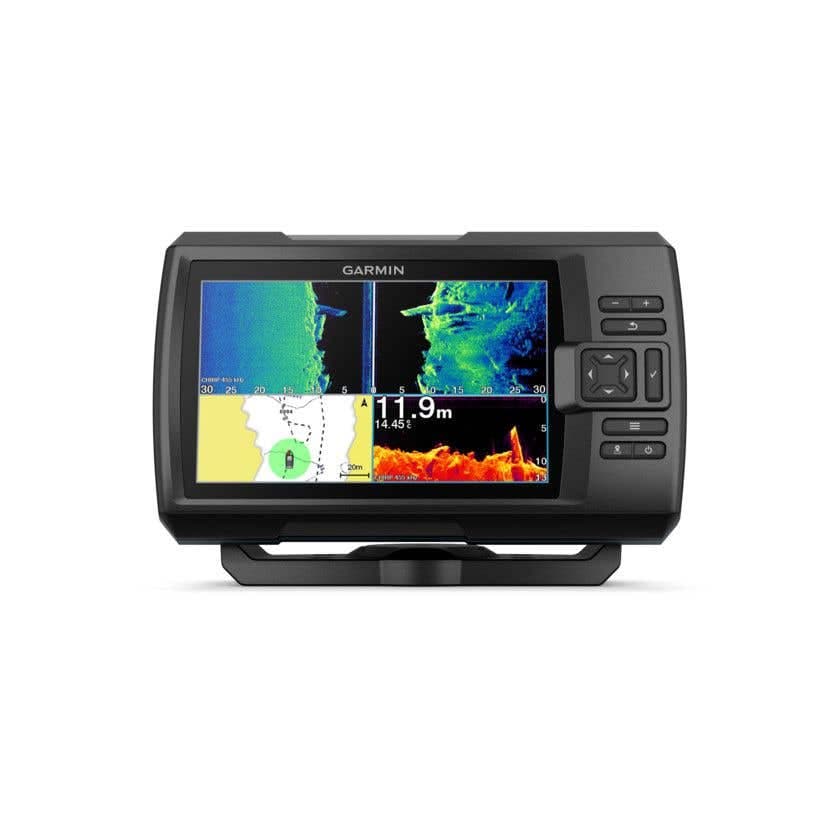
Where to buy Garmin Striker Vivid 7sv in UK: the trusted retailers we track in this market, with the best price we have observed at each. Prices are checked regularly and can change, and the retailer confirms the final price at checkout.
We may earn a commission on purchases. It never affects our rankings.
£239 – £345
Lowrance HOOK Reveal 7 SplitShot
The Lowrance HOOK Reveal 7 SplitShot delivers outstanding value for UK anglers by pairing reliable dual‑frequency CHIRP sonar with a clear 7‑inch display and straightforward mapping, making fish arches and structure easy to read in both shallow rivers and coastal waters. Compared with the Garmin it is more budget‑friendly for recreational boaters, and it offers a more conventional onboard display experience than the portable Deeper PRO+, positioning it as the best all‑round boat fishfinder for most UK users seeking performance without premium pricing.
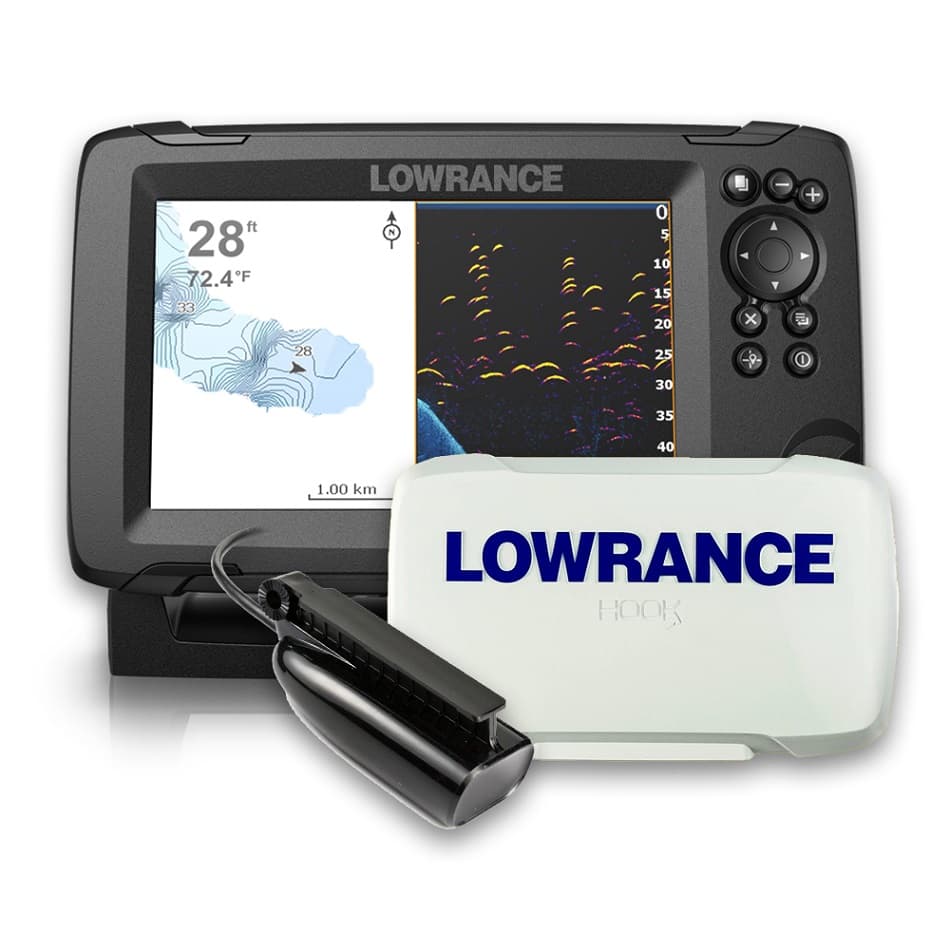
Where to buy Lowrance HOOK Reveal 7 SplitShot in UK: the trusted retailers we track in this market, with the best price we have observed at each. Prices are checked regularly and can change, and the retailer confirms the final price at checkout.
We may earn a commission on purchases. It never affects our rankings.
£249 – £329
Deeper PRO+ Smart Sonar
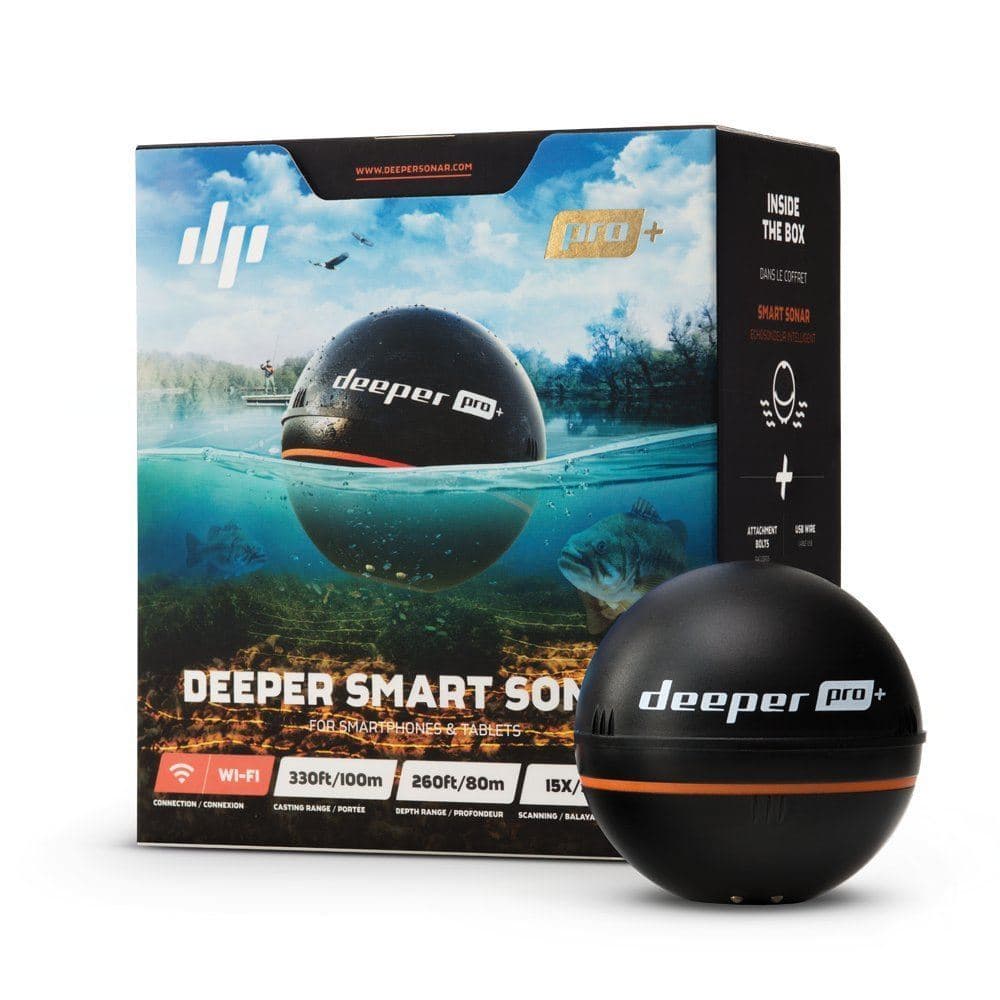
The Deeper PRO+ Smart Sonar stands out for portability and shore‑to‑boat versatility, offering castable dual‑frequency scanning and smartphone mapping that UK bank, kayak and ice anglers can use anywhere without a dedicated helm display. While it lacks the built‑in chartplotter and networking of the Lowrance and Garmin units, its lower cost, simple setup and unmatched mobility make it the best value choice for anglers who prioritise convenience and multi‑use functionality over fixed‑mount power.
Garmin ECHOMAP UHD2 62cv
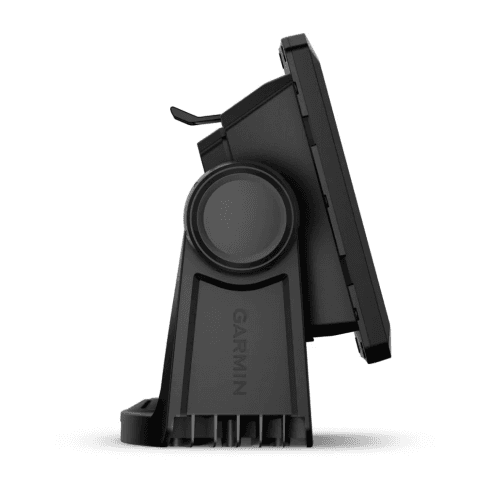
The Garmin ECHOMAP UHD2 62cv is the market leader for serious boat anglers in the UK, combining powerful dual‑frequency CHIRP with high‑definition imaging (ClearVü/SideVü) and advanced charting/networking for professional‑grade mapping and target separation. It carries a premium price compared with the Lowrance and Deeper, but its superior coverage, integration with premium charts and networking capabilities justify the cost for anglers who demand best‑in‑class performance on larger boats and in complex offshore or tidal environments.
Humminbird Helix 7 CHIRP MEGA SI GPS G4N
The Helix 7 CHIRP MEGA SI stands out as the market leader for target detail thanks to MEGA Imaging combined with dual-frequency CHIRP, offering some of the best target separation and structure clarity for shallow and mid-depth fishing. While it typically costs more than entry-level offerings like the Garmin Striker, its technical advantage in imaging makes it the go-to choice for anglers who need photographic-level detail and are willing to pay a premium for it.

Dual-frequency fishfinders combine low-frequency range (better depth and penetration) with high-frequency detail for target separation. Key features to prioritise for UK anglers: CHIRP/MEGA imaging, solid GPS/chartplotting with Navionics/C-MAP support, durable saltwater-resistant housings, sunlight-readable displays, and reliable transducer performance for side and down imaging.
Why Dual Frequency Sonar Works: Science and Practical Benefits
Dual frequency sonar works by sending sound pulses at two different frequency ranges. Lower frequencies travel farther and penetrate deeper, making them better for finding fish and structure in deep water or turbid conditions. Higher frequencies have shorter range but produce finer detail and better target separation near the boat. Modern variants like CHIRP sweep across a band of frequencies to increase target resolution and reduce noise. Scientific research in marine acoustics and fisheries technology supports these principles: different frequencies interact with targets and the seabed in predictable ways, and wide-band techniques improve detection and classification. For anglers, that means more reliable fish arches, clearer structure images, and better decisions about where to fish.
Low frequency (for example 50 kHz) provides greater depth penetration and a wider coverage cone, useful on deep lakes and open water.
High frequency (for example 200 kHz and above) gives higher resolution and finer target separation for nearshore structure and schooling fish.
CHIRP and wide-band sonar sweep across frequencies to improve signal-to-noise ratio and target clarity compared with single-frequency pings.
Side imaging and down imaging use directional beams to show structure and fish relative to the boat; combining these with dual frequency improves situational awareness.
Applied studies in acoustics and fisheries science show that matching frequency and beam angle to fishing depth and target size yields the best detection and fewer false positives.
Frequently Asked Questions
Which fishfinder is best for anglers on a tight budget?
The Garmin Striker Vivid 7sv is the ideal choice for budget-conscious anglers because it combines dual-frequency sonar with ClearVü and SideVü imaging for effective target identification at a lower price point than more complex units.
What is the screen size of the Lowrance HOOK Reveal 7?
The Lowrance HOOK Reveal 7 SplitShot features a 7-inch SolarMAX display designed to provide clear visibility of fish arches and structure in both shallow rivers and coastal waters.
How does the Deeper PRO+ Smart Sonar connect to devices?
The Deeper PRO+ Smart Sonar uses built-in Wi-Fi to connect directly to your smartphone, allowing you to view live mapping and bathymetry data without needing a fixed helm display.
What is the average customer rating for the Garmin Striker Vivid 7sv?
The Garmin Striker Vivid 7sv holds an average customer rating of 4.4 out of 5, reflecting its popularity for providing reliable CHIRP traditional sonar and vivid colour palettes.
Conclusion
All five models listed here are strong contenders for British anglers in 2026, each with clear strengths. Garmin Striker Vivid 7sv is an approachable, user-friendly option with vivid colour palettes and solid CHIRP returns for day-to-day use. Humminbird Helix 7 CHIRP MEGA SI GPS G4N stands out for best-in-class imaging and extensive mapping integration — our top pick for anglers wanting the finest detail and chart options. Lowrance Hook Reveal 7 TripleShot offers broad beam coverage and good value, while Garmin Echomap UHD 73sv is a charting heavyweight with clear CHIRP performance. Raymarine Element 7 HV provides a fast, rugged interface suited to changing British conditions. Before buying, check local dealer stock, ask about UK warranty and software updates, and if possible see a demo screen in bright daylight. If you need help narrowing choices by boat type, species or budget, use the site search to compare specs, prices and dealer availability across counties — or contact a local marine electronics installer to ensure the transducer and mount suit your vessel and fishing style.