

Best Trail Running Shoes for UK Mountain Terrain 2025: Technical Alpine Guide
Published on Tuesday, 26 August 2025
British mountain runners face unique challenges across diverse terrain—from the rocky Scottish Highlands and Lake District fells to Welsh ridgelines and Pennine moorlands. Trail shoes engineered for alpine conditions deliver the grip, stability, and durability needed when navigating steep, technical descents on loose stone, wet rock, and exposed ridges. These specialist shoes feature aggressive lugs for maximum traction on slippery scree, reinforced uppers that withstand abrasive granite and slate, and responsive cushioning that absorbs impact during long mountain days. Modern alpine trail runners also prioritise quick-drying capabilities and breathability—essential when conditions shift rapidly from dry to sodden within hours. British fell runners increasingly demand shoes that balance lightweight performance for fell races with substantial protection for technical scrambles. Contemporary models incorporate gaiter compatibility for winter mountaineering, compatibility considerations for microspikes on icy sections, and durable construction that justifies investment through multiple seasons of rigorous use. The best performers combine European engineering expertise with materials proven in high-altitude conditions, offering the confidence and foot security needed on Britain's most demanding mountain trails.
Top Picks Summary
Salomon Speedcross 6
The Speedcross 6 remains a go-to for UK alpine-ready fells thanks to its aggressive lug pattern and confident muddy-terrace traction that outperforms many all-rounders on saturated routes. Compared with the more rock-focused La Sportiva or the nimble Inov-8, the Speedcross delivers deeper bite and a plush, budget-friendly cushioning package that makes it an inexpensive, high-grip option for steep, wet mountain runs.

Hoka Tecton X 3
The Tecton X 3 brings Hoka's hallmark maximal cushioning and a stiff, responsive plate to long alpine approaches, giving superior energy return and underfoot protection on UK mountain terrain where pounding descents and rocky approaches are common. While pricier than minimal models like Altra or specialized rock shoes like La Sportiva, its durable midsole and reduced fatigue deliver strong cost-per-mile value for ultra-distance or multi-day mountain use.

La Sportiva Bushido III
The Bushido III is engineered for technical rocky ridgelines and high-angle scrambling, with a precise fit and sticky Vibram compound that beats softer, mud-focused shoes in traction on clean rock. It is a premium, performance-driven pick compared with softer-cushioned rivals such as Hoka or Salomon Sense Ride, offering targeted protection and rock confidence that can replace heavier technical footwear on alpine routes.

Inov-8 Mudclaw G 260 V2
The Mudclaw G 260 V2 is a specialist for the UK’s boggy fells — its graphene-enhanced outsole and aggressive, deep lugs deliver exceptional mud-shedding grip at a lower stack height for direct trail feel. Compared with mainstream all-rounders like the Peregrine or Sense Ride, the Mudclaw is more affordable and purpose-built for sticky, churned-up conditions, making it the top economical choice for fell runners who prioritise traction above all else.

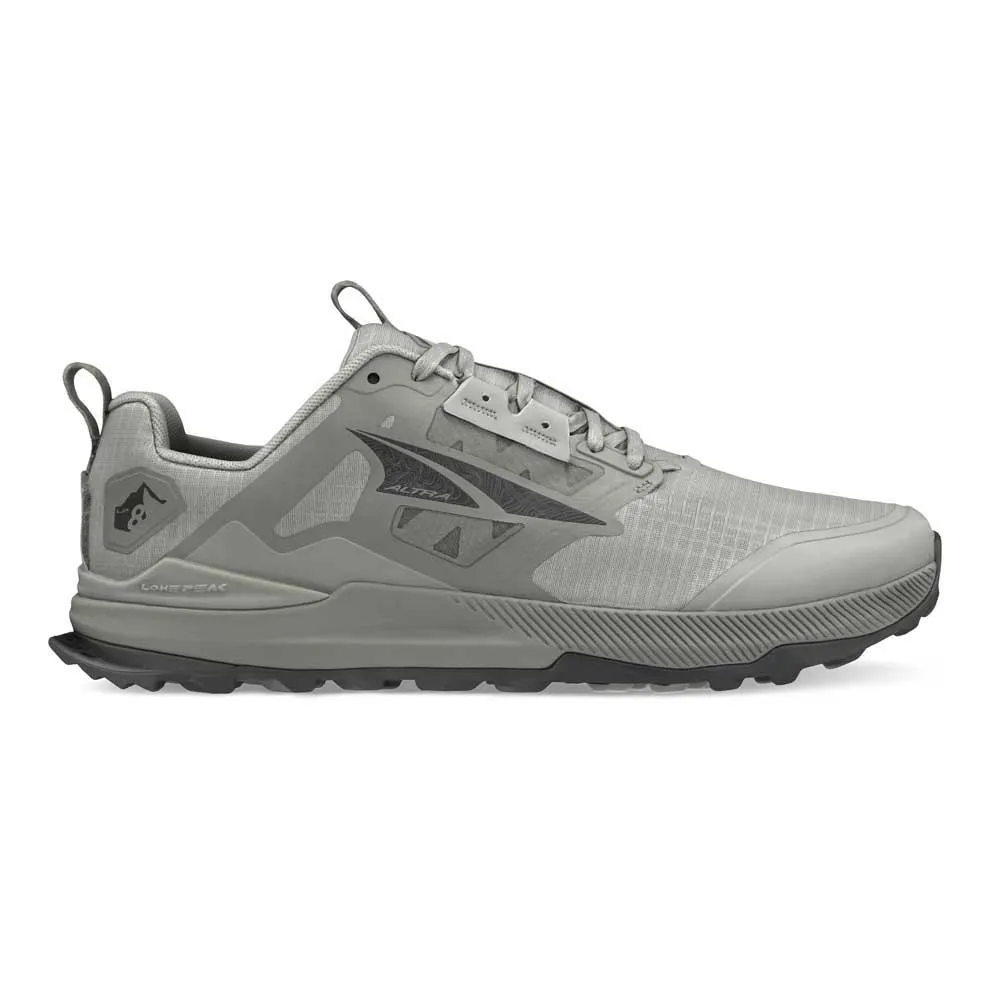
Altra Lone Peak 8
The Lone Peak 8’s zero-drop platform and expansive toe box make it ideal for long UK mountain adventures where foot stability and blister prevention matter on mixed terrain and multi-day routes. It trades aggressive rock protection for natural foot splay and comfort, offering a mid-price, versatile alternative to stiff plate shoes like the Tecton X or the pin-point fit of the Bushido — a cost-effective choice for hikers who also run trails.
Saucony Peregrine 14
The Peregrine 14 is a versatile, value-oriented trail shoe that balances bite, durability and responsive PWRRUN cushioning, making it a strong all-round performer on UK alpine trails. Less specialised than the Mudclaw or Bushido, it competes by delivering consistent traction and broad accessibility at a typically lower price point than maximal-cushion or carbon-plated models, making it a practical pick for runners seeking dependable performance across varied mountain conditions.

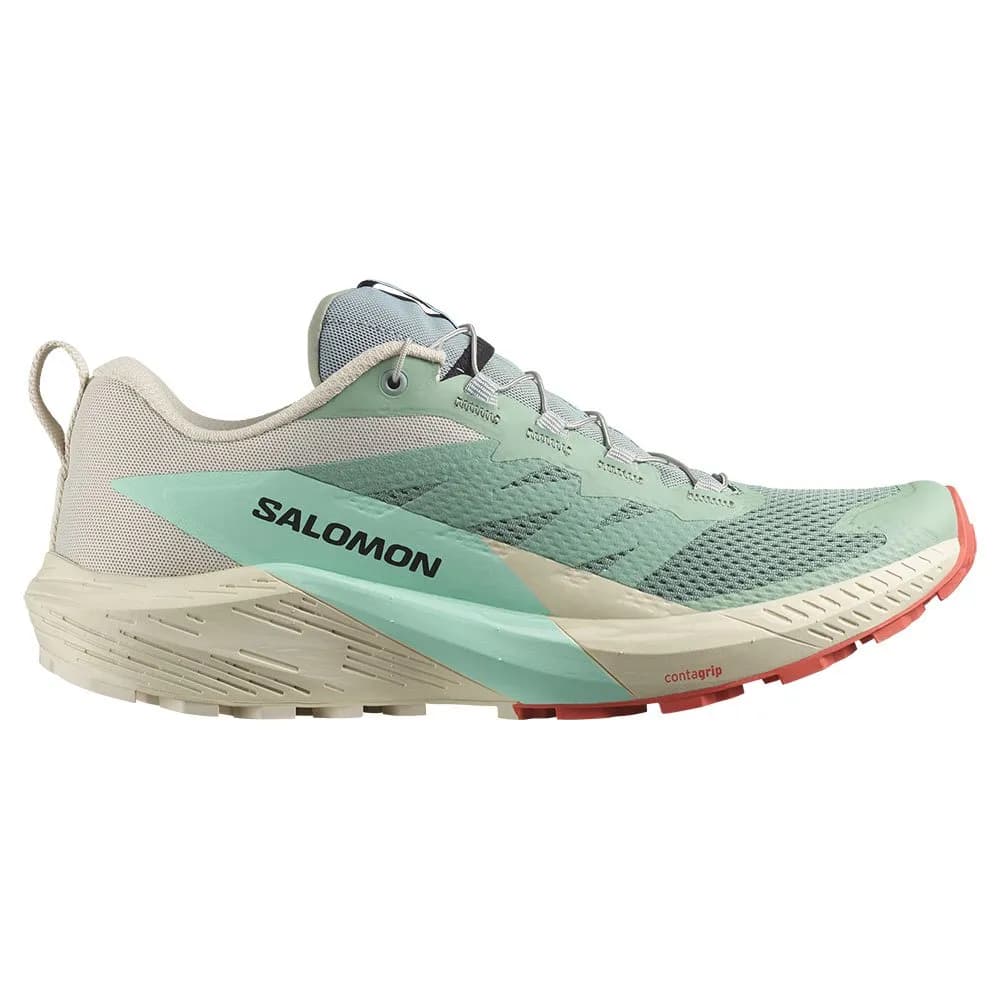
Salomon Sense Ride 5
The Sense Ride 5 is a comfortable, stable option for long days in the UK hills, offering a smoother ride and more versatile outsole than the aggressive Speedcross while remaining alpine-ready for mixed terrain. Priced in the mid-range, it sits between technical specialists and budget trail shoes — a solid compromise for runners who want long-distance comfort without sacrificing the grip needed on wet, rocky ascents.
Superior traction on wet stone and loose scree; reinforced toe protection for scrambling terrain; gaiter attachment loops for winter use; responsive cushioning supporting long mountain days; breathable uppers managing rapid weather changes; compatibility with winter microspikes; durable construction withstanding abrasive alpine conditions.
What the Research Says About Mountain Trail Footwear
Scientific and applied studies in sports science, biomechanics, and outdoor performance testing converge on several practical takeaways for mountain trail shoes. Research highlights how dedicated trail designs reduce slip incidents on wet and rocky surfaces, how midsole stiffness and rock plates lower localized pressure on the forefoot, and how outsole rubber compounds and tread geometry alter traction on scree and slab rock. These findings help explain why the specific features found in alpine trail shoes — protective uppers, stable midsoles, and aggressive lugs — matter for both performance and injury prevention.
Traction and lug design: Lab and field testing show that deeper, multi-directional lugs and softer stickier rubber compounds improve grip on wet rock and loose scree, reducing slip risk on technical terrain.
Midsole stiffness and protection: Studies of plantar pressure indicate that a moderately stiff midsole or integrated rock plate can reduce peak pressures to the forefoot when running on sharp rock, lowering the chance of bruises and fatigue.
Cushioning and fatigue: Research on energy cost suggests a balance between cushioning and responsiveness helps reduce muscular fatigue on long ascents and descents; too soft a platform can increase instability on uneven surfaces.
Waterproofing versus breathability: Comparative tests show that waterproof membranes keep feet dry in wet conditions but limit evaporation; many athletes prefer fast-draining designs for high-output alpine work and reserve waterproof models for specific wet or snowy missions.
Fit and injury prevention: Gait analysis and injury surveillance data emphasize that secure heel hold and appropriate toe-box volume reduce blisters, toe injuries, and instability on technical descents.
Debris management: Laboratory and field evaluations of gaiter systems and sealed tongues demonstrate measurable reductions in stone ingress and associated hot spots during long alpine runs.
Frequently Asked Questions
Which trail running shoe is best for deep mud on UK mountain fells?
The Salomon Speedcross 6 is the top choice for saturated routes, featuring aggressive chevron lugs and a muddy-terrace traction pattern rated 4.3 out of 5 stars. It excels on soft trails where reliable mud-shedding grip is essential.
What outsole rubber does the La Sportiva Bushido III use for rocky terrain?
The La Sportiva Bushido III uses a sticky FriXion rubber outsole that maximises grip on wet rock and scree with a 4.4 out of 5 star rating. This low-profile platform provides precise footing on uneven ground during technical scrambles.
How do the cushioning and midsole features compare on the Hoka Tecton X 3?
The Hoka Tecton X 3 features a stiff, rockered midsole with a carbon-powered pep and generous cushioning to reduce fatigue over rocky terrain, earning a 4.2 out of 5 star rating. This setup delivers efficient propulsion on long alpine climbs.
Which trail shoe features a Quicklace system for technical descents?
The Salomon Speedcross 6 utilises a Quicklace lacing system and SensiFit-style wrap to deliver a secure, precise fit for technical descents. It also includes a cushioned midsole with a protective toe cap for durability on rough terrain.
Conclusion
Selecting the right alpine trail shoe transforms your mountain running experience across Britain's most challenging terrain. The Hoka Speedgoat 5 emerges as the standout choice for British fell runners, delivering exceptional traction and all-day comfort on technical descents. Those chasing personal bests on mountain races should consider the Salomon S/LAB Genesis for its lightweight, responsive platform. The La Sportiva Bushido II remains unmatched for scrambling-adjacent routes where foot sensitivity matters. NNormal Kjerag presents compelling value for runners prioritising durability and comfort during extended alpine ventures, whilst the norda 002 appeals to minimalist runners seeking a stripped-back, efficient mountain platform. Each option has earned its position through proven performance on British peaks and international alpine terrain. Your choice depends on whether you prioritise all-mountain versatility, race-day speed, technical precision, sustainable construction, or minimalist efficiency. Start by identifying which characteristics align with your primary running goals—then test your shortlist on local trails before committing. The mountain running community across the UK continues to evolve, with new models and innovations arriving regularly to meet changing expectations.