

Best Technical Trail Running Shoes UK 2025 - Expert Guide to Challenging British Terrain
Published on Tuesday, 26 August 2025
Technical trail running demands footwear engineered for Britain's most demanding landscapes—from the Lake District's rocky scrambles to Scottish Highland ridges and Welsh mountain passes. In 2025, the best technical trail shoes for UK runners combine aggressive tread patterns with precision engineering designed specifically for mixed terrain, steep gradients, and unpredictable British weather conditions. What sets technical trail running shoes apart is their focus on terrain control rather than speed. British fell runners and mountain trail enthusiasts require shoes with reinforced rock plates that protect against sharp stones and loose scree, secure heel cups that prevent slippage on steep descents, and toe bumpers that guard against root strikes and rocky obstacles. The UK's variable climate—wet mud, boggy ground, unexpected rain, and cold conditions—means your technical trail shoe needs reliable traction on slick surfaces, water-resistant uppers, and materials that perform consistently through changing seasons. In this guide, we've evaluated five standout options that deliver on the specific demands UK trail runners face. Each model excels in different scenarios: whether you're tackling technical Alpine-style descents, navigating root-filled woodland singletrack in the Cotswolds, or powering through boggy high-altitude terrain. We've considered fit characteristics common to British feet, durability through extended use on demanding trails, and practical features like drainage systems and durable rubber compounds that hold up to repeated exposure to wet UK trails. These aren't speed-focused shoes—they're precision instruments designed to keep you confident, protected, and in control on Britain's most technical mountain terrain.
Top Picks Summary
Salomon Speedcross 6
The Salomon Speedcross 6 is a staple for UK technical terrain thanks to its deep, multi‑directional lugs and sticky compound that deliver exceptional grip on soft, muddy trails; it stands out on this 2025 list for fast, confidence‑inspiring traction where competitors can slip. Compared with the more cushioned Hoka or the zero‑drop Altra, the Speedcross prioritises aggressive grip and nimble handling, offering strong technical performance at a price point that remains competitive for serious fell and winter trail runners.

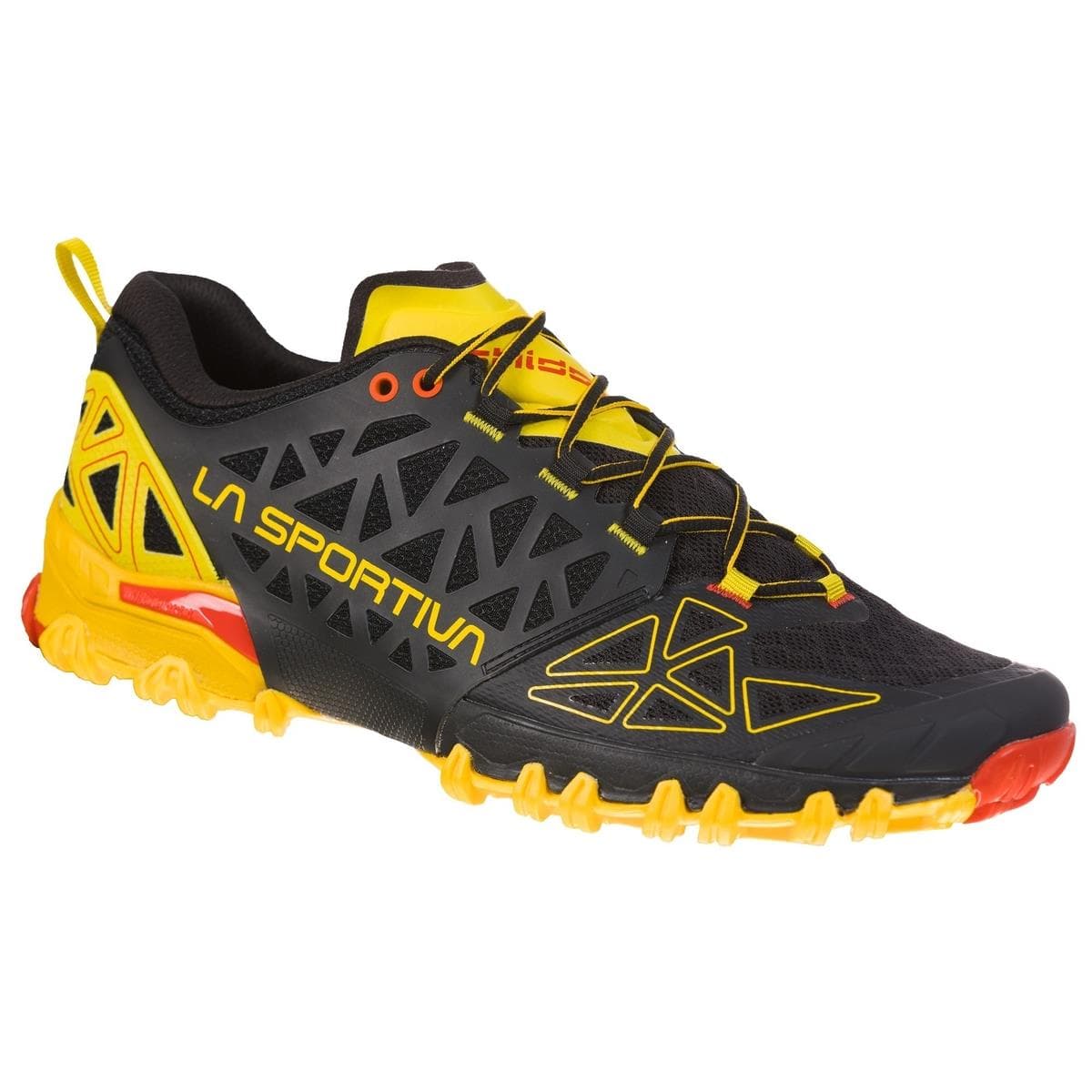
La Sportiva Bushido II
La Sportiva Bushido II is the market leader for pure technical precision on rocky, twisty singletrack thanks to its low stack, aggressive lug pattern and close, secure fit that prioritizes control and rock protection. Compared with the Genesis and Hoka it trades plush cushioning for immediate responsiveness and superior grip, making it the go-to choice for short, technical stages and racers who value nimbleness and foot lockdown over long‑run softness.
Hoka Speedgoat 5
The Hoka Speedgoat 5 earns its place as the long‑distance, technical workhorse on rugged UK routes with generous, stable cushioning and a grippy Vibram outsole that soaks up rocky descents while protecting the feet over many miles. While heavier and usually pricier than the lither Speedcross or Peregrine, the Speedgoat delivers superior endurance comfort and a smoother ride on mixed technical terrain, making it ideal for ultra‑distance and high‑vertical outings in 2025.

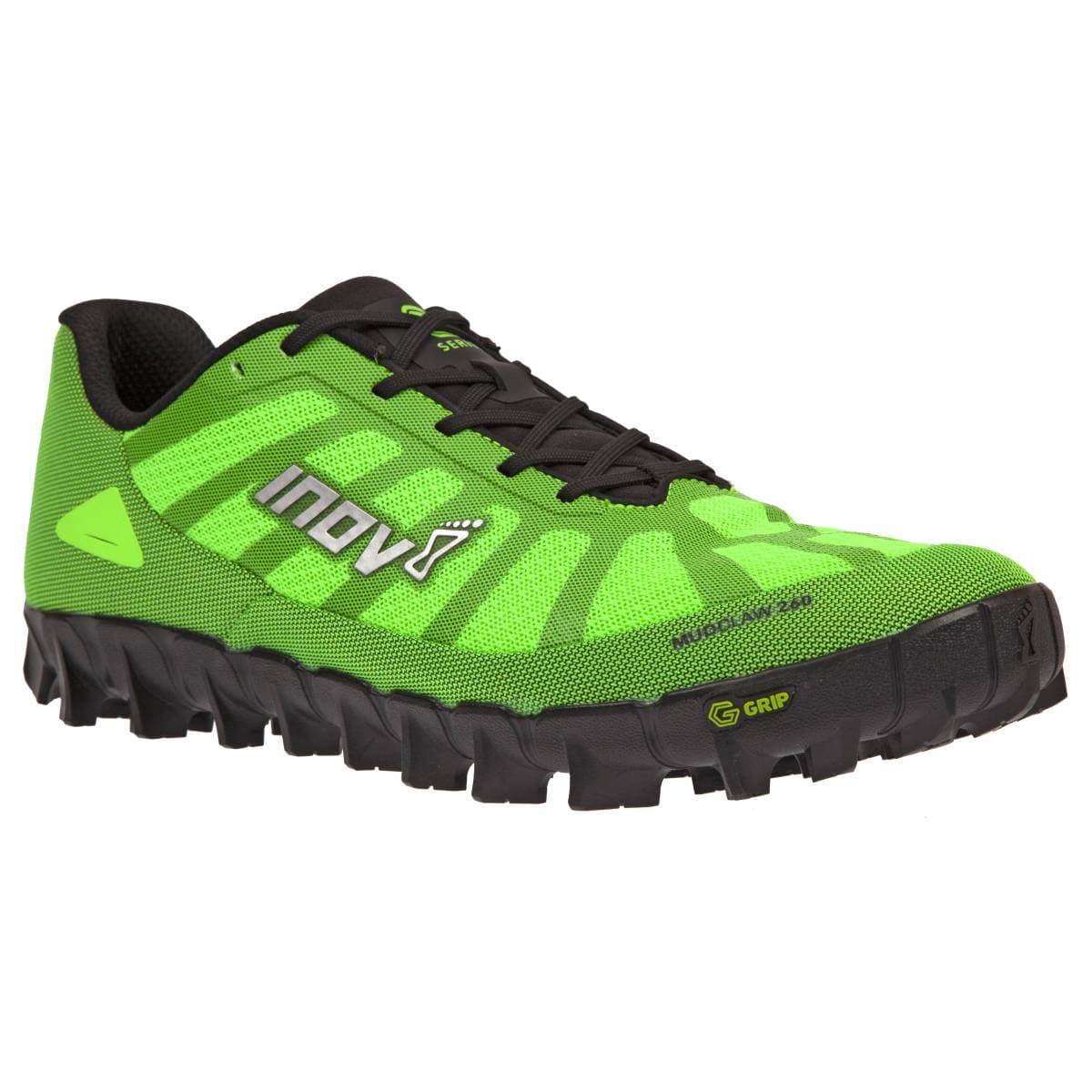
Inov-8 Mudclaw G 260
The Inov‑8 Mudclaw G 260 is the specialist choice for the muddiest, softest UK trails thanks to an ultra‑aggressive lug pattern and a graphene‑enhanced grip compound that excels where traction is the priority; its lightweight, race‑oriented construction gives it a technical edge over more generalist shoes. Compared with more versatile picks like the Saucony or Scarpa, the Mudclaw is a niche, high‑value option for racers and fell runners who need maximum bite rather than everyday cushioning.
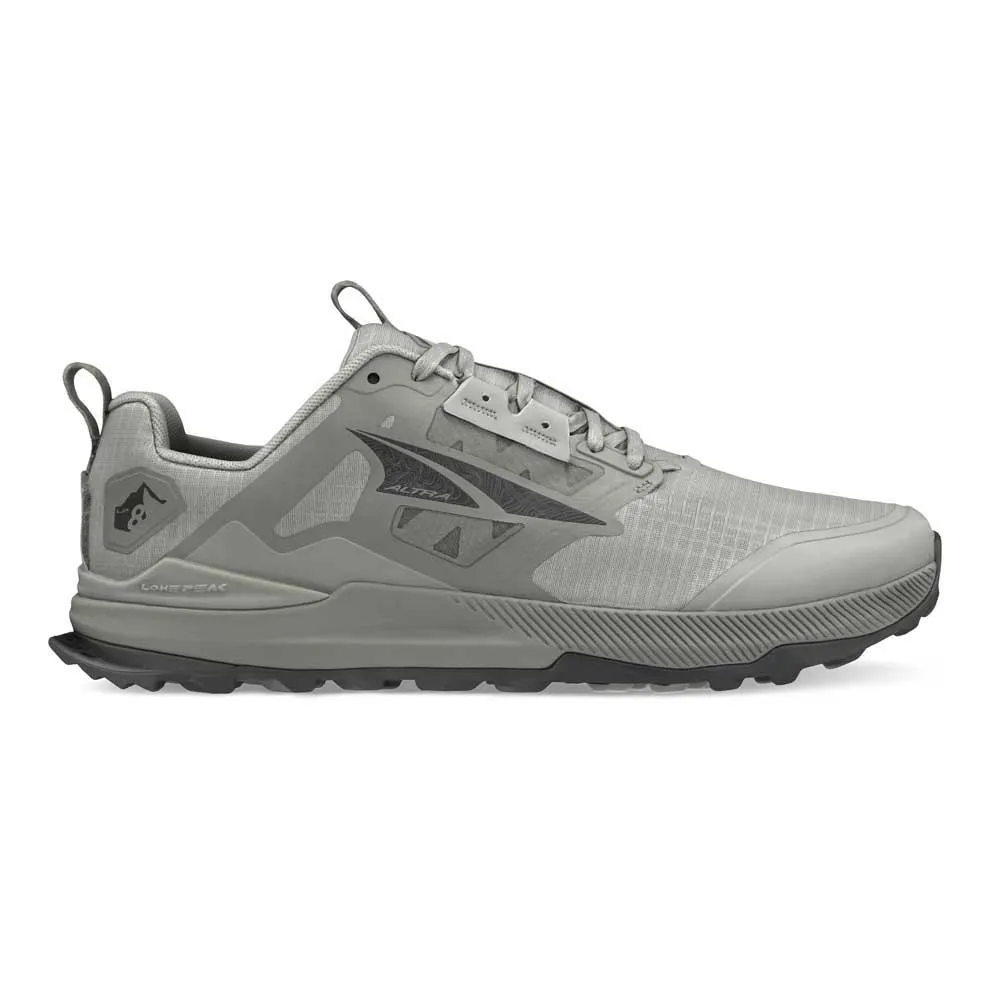
Altra Lone Peak 8
The Altra Lone Peak 8 brings a distinctive zero‑drop, foot‑shaped platform to technical UK routes, promoting natural foot splay and stable landings that many runners prefer on uneven, rooty terrain; it’s a strong choice for those who prioritise proprioception and long‑term joint alignment. Although less plush than the Hoka and less aggressively lugged than the Speedcross or Mudclaw, the Lone Peak offers durable protection and value for multi‑day or navigational outings where comfort and natural stride matter most.
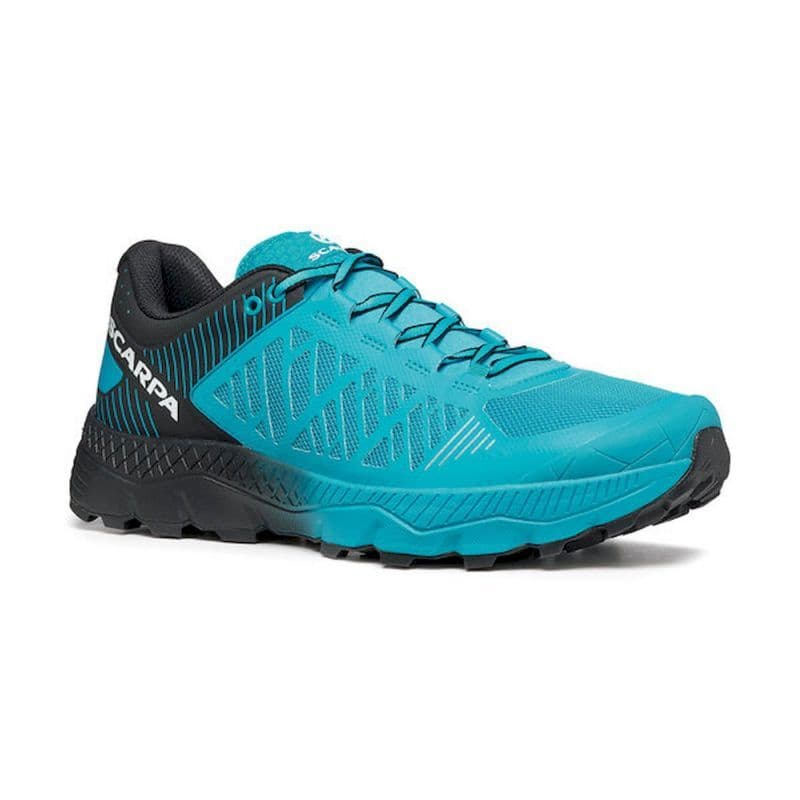
Scarpa Spin Ultra
The Scarpa Spin Ultra is a premium, mountain‑oriented shoe built for steep, rocky UK fell country with a robust construction, protective upper and a sticky Vibram‑style outsole that favours technical climbs and descents; it’s chosen here for its durability and precision on hard alpine terrain. While typically more expensive and slightly heavier than the more nimble Saucony or Salomon options, the Spin Ultra repays the premium with long‑term durability and confidence on exposed, technical routes in 2025.
Saucony Peregrine 13
The Saucony Peregrine 13 is the versatile, value‑focused pick for mixed UK trails, balancing responsive PWRRUN cushioning with a grippy, multi‑terrain outsole that handles hardpack, scree and moderate mud efficiently; its all‑round capability makes it one of the best economical choices on this 2025 list. Less extreme than the Mudclaw or Speedcross in lug aggressiveness, the Peregrine outperforms many rivals in day‑to‑day versatility and price‑to‑performance for runners seeking one shoe to cover a wide range of technical terrain.
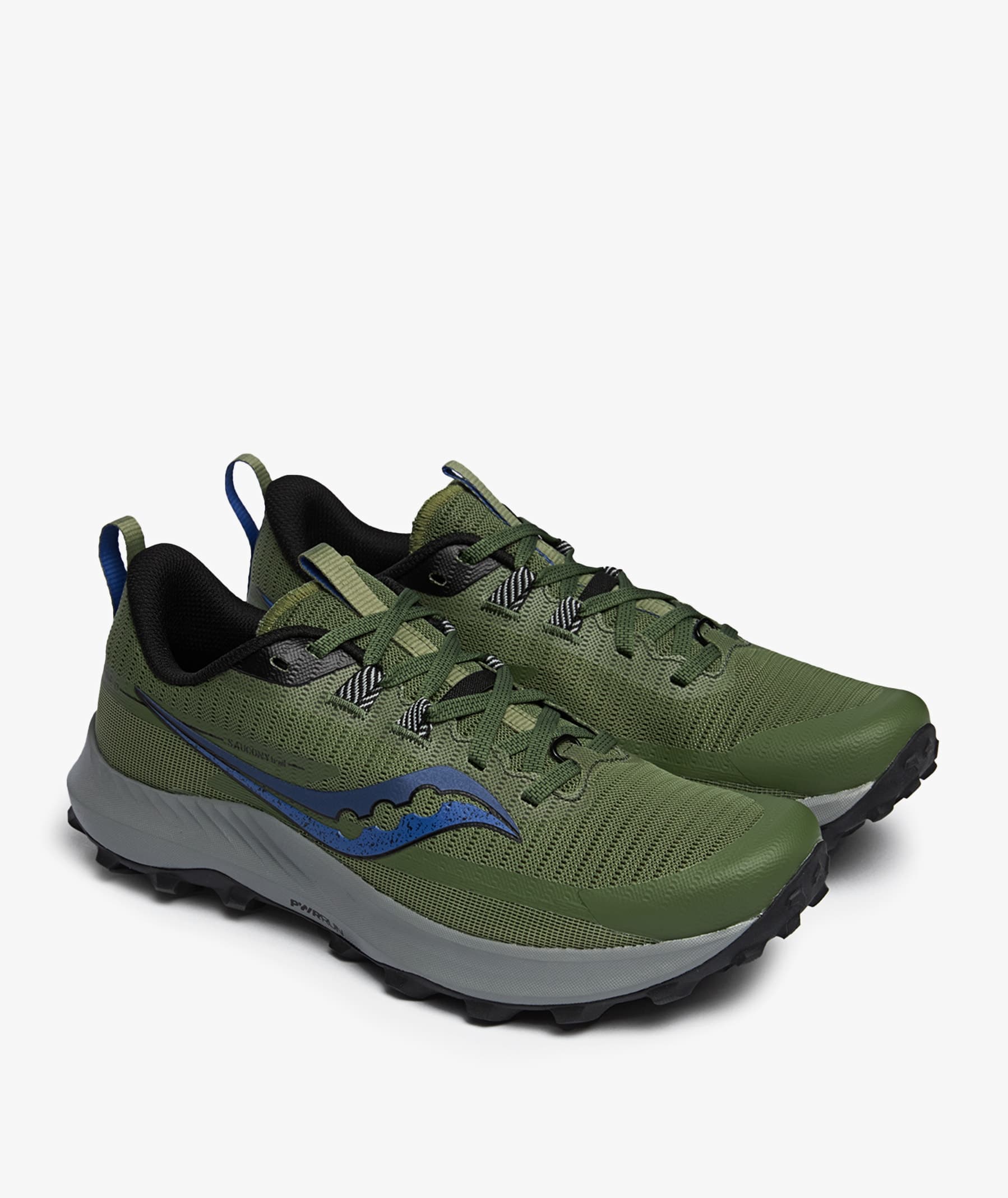
Superior grip on wet British trails, protective rock plates for scree and loose stone, reinforced toe bumpers preventing root strikes, secure heel design for steep descent control, water-resistant or quick-drying uppers suited to UK climate, durable rubber compounds withstanding repeated wet terrain exposure, precision fit characteristics suited to British foot shapes, adequate cushioning for technical fatigue management.
What Research Shows About Technical Trail Shoe Benefits
Biomechanics and field studies support several performance and injury-prevention benefits of properly designed technical trail running shoes. Research on traction, proprioception, cushioning, and protective features shows measurable advantages on uneven, rocky, and slippery trails. The following summary highlights the key findings in accessible terms so you can apply them when choosing a shoe.
Traction reduces slip risk: Laboratory and field tests show deeper, multidirectional lugs and sticky rubber compounds significantly lower slip probability on wet rock and mud compared with road soles.
Protection lowers acute foot injuries: Studies comparing shoes with rock plates or reinforced midsoles report fewer bruised toes and plantar contusions when running on jagged or rocky terrain.
Stability and proprioception: Research indicates a snug, precise fit and a stable midsole geometry improve proprioception and reduce ankle rollover incidents on uneven ground.
Cushioning and impact attenuation: Adequate midsole cushioning, combined with protective underfoot elements, helps lower peak impact forces during steep descents, reducing fatigue and joint stress over long distances.
Materials and durability: Tests on rubber compounds and upper reinforcements show that durable blends and abrasion-resistant fabrics extend useful life, which matters in rough British backcountry conditions.
Climate considerations: Studies on colder environments show that outsole rubber and upper treatments behave differently in low temperatures; softer, sticky compounds often provide better winter traction while waterproof membranes trade breathability for wet-weather protection.
Frequently Asked Questions
Which shoe should I pick for rocky British singletrack?
Pick La Sportiva Bushido II for rocky, twisty singletrack because it has a low-profile platform for precise footing and quick directional changes, plus a sticky FriXion rubber sole for exceptional grip on rocky terrain; rating is 4.6/5.
What specific outsole grip does La Sportiva Bushido II use?
La Sportiva Bushido II uses a Sticky FriXion rubber sole, stated as delivering exceptional grip on rocky terrain; it also has a low-profile platform for precise footing and quick directional changes; rating 4.6/5.
Is Hoka Speedgoat 5 worth it versus Salomon Speedcross 6?
The data only confirms ratings and features, not prices: Hoka Speedgoat 5 costs aren’t listed, but it has rating 4.4/5 with generous HOKA cushioning and a grippy Vibram/MegaGrip-style outsole, while Salomon Speedcross 6 has rating 4.3/5 with deep, multi-directional mud lugs.
Do Salomon Speedcross 6 shoes suit muddy trails in the UK?
Yes—Salomon Speedcross 6 is described as designed for deep mud and soft trails with aggressive chevron lugs and a grippy compound, plus Quicklace lacing and SensiFit-style wrap for a secure fit on technical descents; rating 4.3/5.
Conclusion
For 2025, British trail runners have access to exceptional technical footwear options that address the unique challenges of UK terrain. The Salomon Genesis delivers reliable all-purpose protection and a dependable fit for varied technical conditions across different UK mountain regions. La Sportiva Bushido II stands as the premier choice for ultra-technical singletrack and steep, complicated descents, making it ideal for experienced fell runners tackling challenging British peaks. The Hoka Mafate Speed 4 provides superior cushioning for lengthy technical days, perfect for back-to-back hill repetitions or full-day mountain expeditions. norda 001 represents contemporary traction innovation with its approach to durability and grip across diverse conditions. VJ XTRM 2 prioritises aggressive tread patterns specifically for mixed-surface British trails where loose scree meets wet rock.
Choosing the right technical trail shoe depends on your specific requirements—whether you prioritise downhill control, extended comfort on long routes, lightweight agility, or maximum grip in changeable weather. Take time to assess your typical trail conditions, preferred running style, and any particular fit considerations. Many UK specialty running retailers offer gait analysis and trail-specific fitting services. If you'd like to refine your selection further, consider filtering by intended terrain type, your typical running distance, or specific weather conditions you regularly encounter on British trails.