

The Best Toothpastes for Fresher Breath in the UK - Our 2025 Selection
Persistent bad breath is far more common than most people admit, and it is rarely solved by switching toothpaste alone. Around 80 to 90 per cent of halitosis starts in the mouth itself, usually from volatile sulphur compounds produced by bacteria sitting in the coating on the back of the tongue, around inflamed gums and between the teeth. A mint toothpaste covers that smell; it does not remove the source. What a good breath-freshening paste can do is reduce the bacterial load, deliver ingredients such as zinc salts that actually bind sulphur compounds rather than simply perfume them, and supply the fluoride that protects your teeth while you are at it. This guide compares five options sold to UK shoppers in 2025, drawing on published ingredient lists, manufacturer specifications, retailer pricing and customer feedback rather than any hands-on testing of our own. They differ considerably: one is built around a cooling sensation, another around sensitive enamel, and three lean towards whitening. Read the ingredient panel alongside the marketing, and if the problem persists for more than a couple of weeks, see a dentist rather than reaching for a stronger mint.
Inception's AI took the time to understand this market in the UK · We may earn a commission on purchases. It never affects our rankings.
Top Picks Summary
Colgate Max Fresh Cooling Crystals Toothpaste
Colgate Max Fresh uses micro cooling crystals to deliver an immediate and perceptible fresh-breath sensation, making it a go-to choice for users who prioritise instant freshness in the 2025 UK market. Its broad availability and competitive pricing give it a financial edge over premium whitening or specialist enamel formulations, though it focuses on sensory impact rather than the enamel-targeted care Sensodyne offers.

Sensodyne Pronamel Fresh Breath Enamel Toothpaste
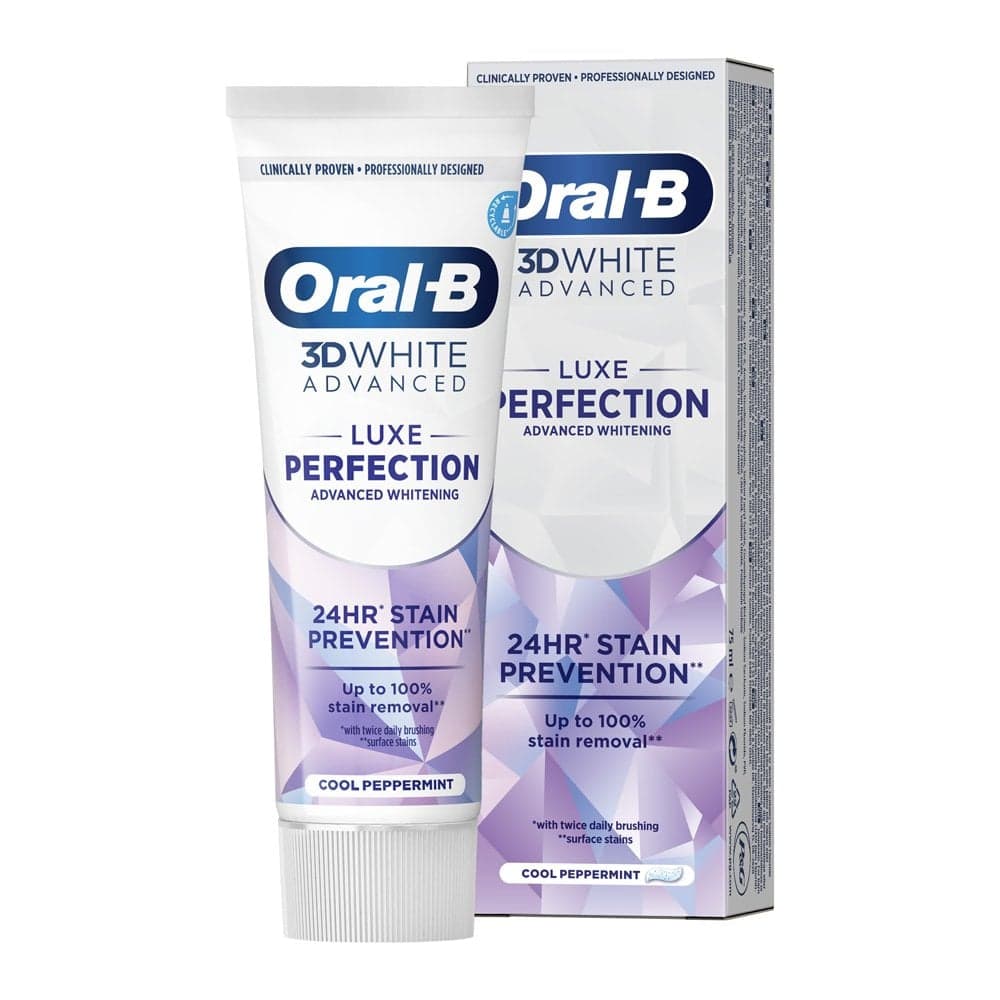
Sensodyne Pronamel Fresh Breath pairs breath-freshening flavours with a low-abrasion, enamel-protective formula, positioning it as the top option for sensitive teeth users who still want reliable fresh breath in the UK in 2025. While usually priced above mass-market pastes, its clinical reputation and enamel safety offer a technical advantage versus whitening-focused rivals like Oral-B and Aquafresh that can be more abrasive.
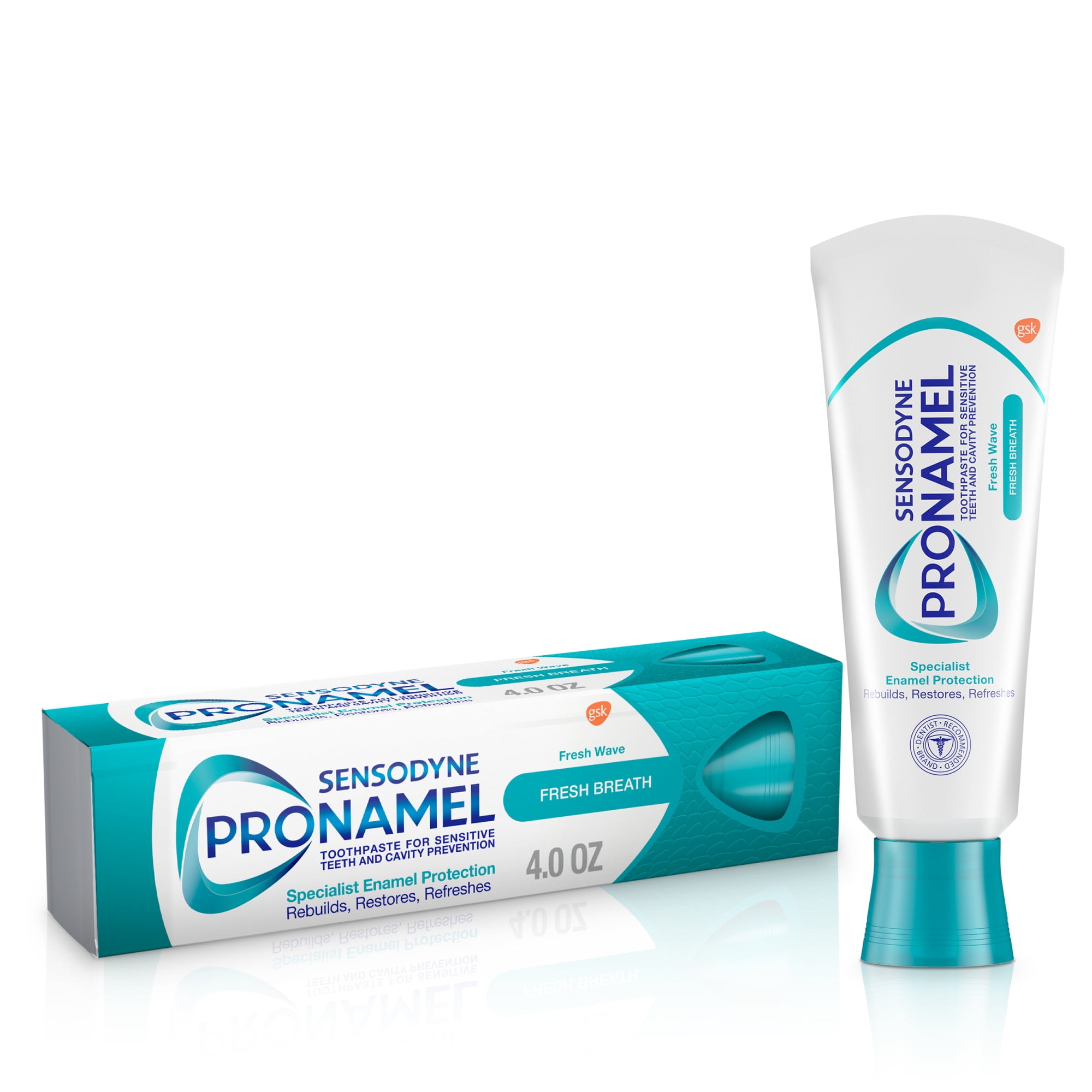
Oral-B 3D White Luxe Perfection Toothpaste
Oral-B 3D White Luxe Perfection emphasises cosmetic whitening with polishing agents that remove surface stains while delivering lasting breath freshness, making it a premium pick in the 2025 breath-freshening rankings. Its higher price reflects a technical focus on stain removal and a polished finish compared with sensory-first products like Colgate Max Fresh and value-oriented formulas such as Arm & Hammer.
Aquafresh Extreme Clean Whitening Action Toothpaste
Aquafresh Extreme Clean pairs the brand's triple-stripe presentation with micro-scrubbing particles and fluoride, giving a high-foam, notably clean mouthfeel after brushing. One caveat British buyers should know before ordering: Extreme Clean is Aquafresh's US line rather than a UK shelf product, so it arrives here through import and marketplace sellers at around £4 for a 5.6oz tube rather than the supermarket price the brand name suggests. Aquafresh's UK-stocked equivalents are the Complete Care and White Renew ranges.

Where to buy Aquafresh Extreme Clean Whitening Action Toothpaste in UK: we track one retailer, Fruugo, and show the price we last observed there; the price you see at checkout may differ.
We may earn a commission on purchases. It never affects our rankings.
£4 – £5
Arm Hammer Complete Care Extra Whitening Toothpaste
Arm & Hammer Complete Care builds its formula around baking soda, which neutralises acids in the mouth and gives the paste a distinctive, low-foaming character rather than a purely minty one, alongside fluoride for cavity protection and mild polishing for surface stains. It suits anyone who dislikes the sharp sweetness of mainstream pastes. Expect to pay roughly £4 for the 125g tube from UK chemists.
Where to buy Arm Hammer Complete Care Extra Whitening Toothpaste in UK: we track one retailer, Expresschemist, and show the price we last observed there; the price you see at checkout may differ.
We may earn a commission on purchases. It never affects our rankings.
£4 – £5
What separates these pastes is less the mint and more the chemistry: the fluoride level for cavity protection, whether an odour-binding agent such as a zinc salt is present at all, how abrasive the polishing system is, and whether there is a desensitising active for people with sensitive teeth. Flavour intensity is the thing you notice first and the thing that fades first, which makes it the least useful reason to choose one.
What Actually Causes Bad Breath, and What Toothpaste Can Do About It
Halitosis is overwhelmingly an oral problem. Published estimates put the share originating in the mouth at roughly 80 to 90 per cent, most of it traced to volatile sulphur compounds — chiefly hydrogen sulphide and methyl mercaptan — released by bacteria living in the coating on the back of the tongue and in inflamed gum tissue. That distinction matters when you choose a paste, because flavour and odour control are not the same thing. Flavour fades within the hour. Ingredients that chemically bind sulphur compounds, combined with mechanical removal of the tongue coating and the plaque between your teeth, are what change the underlying smell.
Zinc salts — zinc chloride, zinc citrate or zinc lactate — are the ingredients with genuine evidence for neutralising volatile sulphur compounds, as opposed to masking them with mint
Stannous fluoride formulations also reduce odour-causing bacteria while giving cavity protection at the same time
UK adult toothpaste normally contains 1350-1500ppm fluoride; children's pastes are lower, and high-strength 2800ppm and 5000ppm pastes are prescription-only in the UK
Spit out the excess after brushing but do not rinse with water or mouthwash — rinsing washes away the concentrated fluoride that does the work, which is standard NHS advice
Clean your tongue as well as your teeth: the coating towards the back of the tongue is the single largest reservoir of odour-producing bacteria
Clean between the teeth daily with floss or interdental brushes, since trapped debris and gum inflammation are common causes no toothpaste can reach
Sensitivity relief ingredients such as 5% potassium nitrate suit anyone who finds strong whitening pastes uncomfortable
Breath that persists despite thorough hygiene warrants a dental appointment — it can point to gum disease, dry mouth, or occasionally a cause outside the mouth
Frequently Asked Questions
Is Oral-B 3D White Luxe Perfection worth paying extra?
Oral-B 3D White Luxe Perfection sits in the mid-premium range at roughly £2.50-4.50 in the UK and holds a 4.2/5 rating. What you pay extra for is the silica polishing system that lifts surface stains, plus a mint that lasts. That makes sense if cosmetic brightening is part of what you want. If your teeth are sensitive, or your real complaint is odour rather than colour, a lower-abrasion paste is the better buy.
What is the best toothpaste for bad breath in the UK?
It depends on the cause. For an immediate cooling hit, Colgate Max Fresh Cooling Crystals is the cheapest way to get one. For sensitive teeth, Sensodyne Pronamel Fresh Breath is the gentler option, with 5% potassium nitrate and a low-abrasion formula. Arm & Hammer's baking soda helps neutralise acids in the mouth, though the ingredient with the strongest evidence against sulphur odours specifically is zinc, so check the panel for zinc chloride, citrate or lactate. Whichever you pick, it works alongside tongue cleaning rather than instead of it.
Can toothpaste alone cure persistent bad breath?
No. Around 80 to 90 per cent of halitosis originates in the mouth, mostly from volatile sulphur compounds produced by bacteria in the coating on the back of the tongue and around inflamed gums, and brushing the teeth reaches neither. Pair twice-daily brushing with tongue cleaning and daily interdental cleaning. If the problem persists beyond two or three weeks, see a dentist: lasting halitosis often signals gum disease or dry mouth, and no toothpaste treats those.
Do breath-freshening toothpastes contain fluoride?
Most do, and it is the most useful thing in the tube. Colgate Max Fresh Cooling Crystals contains sodium fluoride at 1450ppm, the standard adult level here, and UK adult pastes generally run between 1350 and 1500ppm. Children's pastes are lower, and high-strength 2800ppm and 5000ppm pastes are prescription-only in the UK. If you specifically want a fluoride-free paste, check the non-fluoride toothpaste category instead.
Conclusion
There is no single best breath-freshening toothpaste, only the one that suits your teeth and your actual problem. If you want an immediate cooling hit, the Colgate is the cheapest route to it. If strong whitening pastes make your teeth ache, Sensodyne Pronamel's low-abrasion formula with 5% potassium nitrate is the safer daily choice. The whitening-led entries here trade some gentleness for stain removal, so judge them on that basis rather than on breath alone. Availability varies too: Colgate, Sensodyne and Oral-B are stocked widely across UK supermarkets and chemists, whereas Aquafresh's Extreme Clean line is a US formulation that reaches British buyers through import sellers, which is reflected in what it costs here. Give any new paste two to three weeks before judging it, keep cleaning your tongue and between your teeth, and spit rather than rinse so the fluoride stays where it is needed. If the odour persists after all that, book a dentist — a stronger mint is not the answer.