Top 7 RFID Controllers in the UK for 2026: Reliable, Fast and Secure
Published on Tuesday, 27 January 2026
RFID Controllers are essential tools for managing radio frequency identification systems. They facilitate the communication between RFID tags and compatible devices, making them crucial for inventory management and access control. In the UK market for 2026, demand is driven by retailers, logistics operators, healthcare providers and smart building projects seeking real-time visibility, faster stock reconciliation and secure access solutions. Buyers increasingly prioritise interoperability with standards such as EPC Gen2 and ISO 18000-63, robust security and data privacy controls to meet GDPR expectations, easy integration with existing warehouse management and access control systems, and strong vendor support including firmware updates and UK-based service. Practical concerns such as read range, tag compatibility, power options (PoE, battery or mains), form factor for industrial or retail environments, and cloud or edge analytics capability also shape consumer preferences. Overall, UK purchasers look for a balance of reliability, future-proofing and total cost of ownership when choosing an RFID controller.
Top Picks Summary
The Impinj R700 is the manufacturer’s 2025 generation RAIN RFID controller focused on high-performance edge processing and cloud-friendly integration, making it ideal for UK deployments that prioritize modern analytics and IoT linkage. Compared with the older Speedway R420 and some legacy readers on this list, the R700 offers lower lifecycle costs through improved power efficiency and software-driven capabilities that simplify large-scale orchestration and firmware management.
Show More UHF RFID Controllers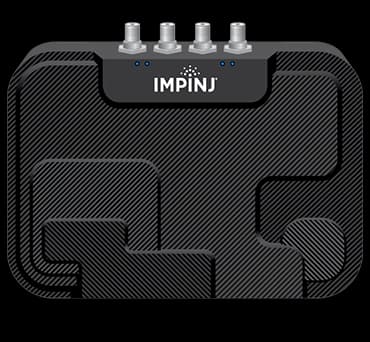
£1500-2500 GBP
The ACR122U from Advanced Card Systems is the de facto desktop HF NFC reader for PC/SC environments in the United Kingdom in 2025, offering certified drivers, stable firmware and broad ISO 14443 support that make it a market leader for payment, access control and enterprise integrations. Compared with the cheaper hobbyist modules on this list, the ACR122U carries a higher price but delivers plug-and-play USB operation, stronger security assurances and vendor support that appeal to integrators and software vendors needing production-grade reliability.
Show More HF RFID Controllers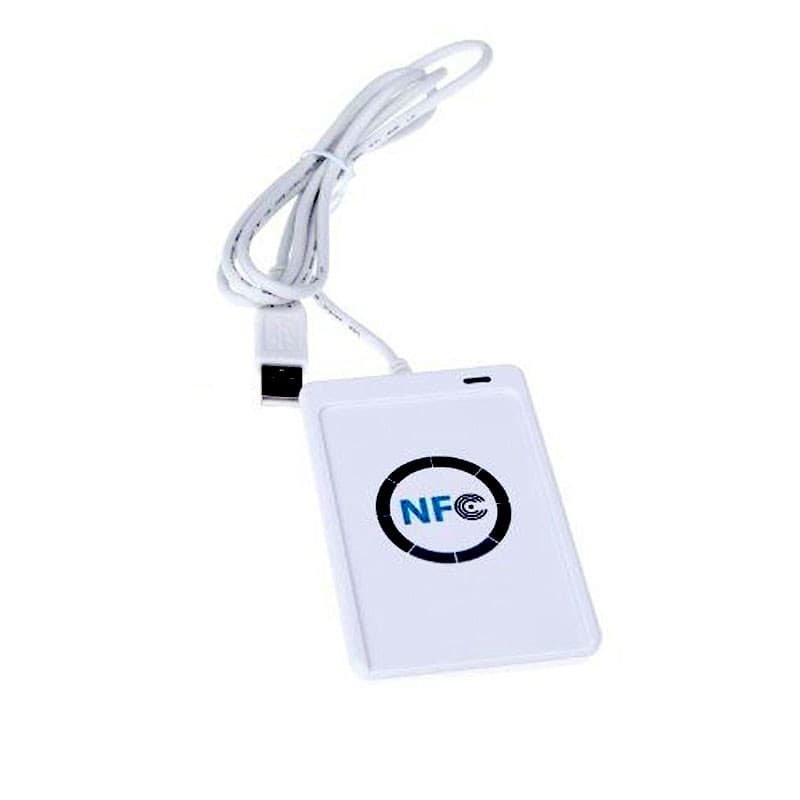
Paxton's Net2 Plus 1 Door Controller is the best-in-class choice for managed access in the UK, 2025, thanks to tight Net2 software integration, strong local support and streamlined licensing for installers. It outperforms single-reader devices by centralising event logging, access rules and remote management, delivering lower total cost of ownership on multi-site or managed installations compared with ad-hoc reader deployments like UHPPOTE or HID. While pricier than commodity readers, Paxton’s platform-focused approach delivers superior operational efficiency and easier scaling for professional security integrators.
Show More LF RFID Controllers
The Zebra FX9600 is positioned as the best-in-class industrial UHF controller for UK deployments in 2025 thanks to its ruggedised design, high read density and deep enterprise integration (fleet management, analytics and middleware). Compared with the other controllers on this list it commands a premium but can reduce total cost of ownership through lower downtime and stronger channel support across the UK, making it the go-to choice for mission-critical manufacturing and logistics sites.
Show More Industrial RFID Controllers£3,000-4,500 GBP
The Honeywell CT40 with RFID blends a consumer-style touchscreen experience with enterprise durability, delivering a mid‑range mobile RFID controller that is cost-effective for mixed use retail and field workflows in the UK. It strikes a balance between the integrated, RFID-focused power of the MC3300R and the modular flexibility of the RFD40, while Honeywell’s support and software ecosystem often simplify integration and ongoing maintenance. For customers valuing modern UI and mobile-first workflows with reliable service backing, the CT40 offers compelling total value.
Show More Mobile RFID Controllers
£900-1500 GBP
Impinj Speedway R420 Fixed RFID Reader
The Impinj Speedway R420 is a long-established market leader known for its proven reliability, broad deployment base and competitive pricing, making it a go-to choice for many standard fixed-reader applications. While it lacks some of the cutting-edge throughput and antenna scaling of the newer R700, the R420 offers a lower-cost, mature platform with extensive field experience and integration resources versus newer entrants; compared to the compact ThingMagic Sargas and the middle-ground Zebra FX7500, the R420 represents a familiar, lower-risk investment for undefined or steady-state applications. Its financial advantage lies in predictable lifecycle costs and a large installed base that reduces integration uncertainty.
Show More Fixed RFID Controllers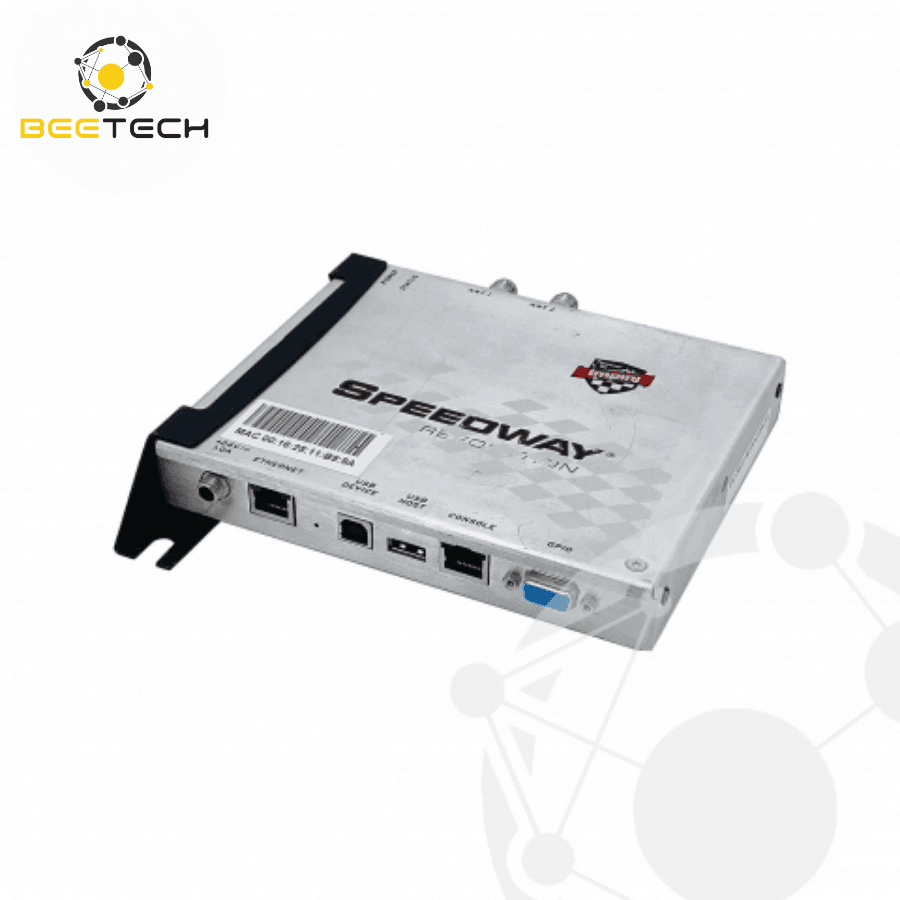
£900-£1700 GBP
The HID OMNIKEY 5427 CK Gen2 leads the UK market for 2025 by combining enterprise-grade multi-protocol contactless support with deep integration into the HID ecosystem, making it a strong choice for large-scale access control and identity projects. It stands out for predictable total cost of ownership — higher upfront licensing but lower integration and lifecycle management costs compared with cheaper alternatives like the ACR122U — and it offers the security and vendor support organisations expect for regulated UK deployments.
Show More Embedded RFID Controllers
Research-backed Benefits of RFID Controllers
Scientific research and industry studies consistently highlight measurable improvements when organisations deploy RFID controllers as part of a broader RFID system. Evidence across retail, logistics and healthcare shows enhanced inventory accuracy, faster stocktaking cycles, improved asset tracking and reductions in loss and misplacement. Studies also point to productivity gains from automating manual scanning tasks and to better decision-making enabled by continuous, timestamped data feeds. For buyers new to RFID, these findings establish clear operational and financial advantages while also emphasising the importance of correct system design, tag selection and controller placement for optimal performance.
Inventory accuracy: multiple studies report improvements from partial accuracy to levels above 90% when RFID is implemented correctly.
Time savings: research indicates stocktaking and audit tasks can be reduced by up to 70–80% compared with manual barcode counts in many settings.
Shrinkage and loss reduction: pilots in retail and logistics show consistent declines in shrinkage through faster detection and better asset location.
Operational visibility: continuous read events provide timestamped location data, improving traceability and enabling faster responses to exceptions.
Return on investment: case studies often show payback periods of 6 to 24 months depending on scale, tag costs and process changes.
Design matters: academic and industry papers emphasise that tag type, reader/controller placement and environmental factors are critical to achieving expected gains.
Frequently Asked Questions
Which RFID controller is best for modern UK IoT deployments?
The Impinj R700 RAIN RFID Reader is the ideal choice for UK deployments requiring high-performance edge processing and cloud-friendly integration. It features superior sensitivity and adaptive tuning, making it highly effective for real-time systems that need to link directly with modern analytics platforms.
Does the ACR122U NFC reader support MIFARE card types?
The ACR122U NFC Reader Writer supports MIFARE, ISO14443 A/B, and common NFC tag types for versatile contactless use. It functions as a USB plug-and-play device with broad OS compatibility, including Windows, macOS, and Linux, making it a reliable desktop solution for payment and access control.
What is the average rating for the Impinj R700 reader?
The Impinj R700 RAIN RFID Reader holds an average rating of 4.6 out of 5. This high score reflects its capability for long-range reads and its compact, low-latency design, which is specifically engineered for businesses needing robust, real-time inventory or asset tracking.
Is the Paxton Net2 Plus suitable for single door management?
The Paxton Net2 Plus 1 Door Controller provides full networked access control for a single door with central management capabilities. It includes built-in relays, inputs, and event logging, allowing for reliable local operation and seamless integration within the broader Paxton Net2 software ecosystem.
Conclusion
Whether you need a rugged industrial controller for warehouses, a compact unit for retail shelves, or a secure access controller for building entry, the top 8 RFID controllers listed here reflect what UK buyers value in 2026: standards compliance, reliability, security and ease of integration. We hope you found what you were looking for. Use the site search or filters to refine by read range, supported protocols, power options or price to expand or narrow your results and find the best match for your project.