Best Hand Rehabilitation Robotic Systems for UK Patients in 2025
Published on Saturday, 29 March 2025
Hand rehabilitation technology has undergone a remarkable transformation, offering patients across the UK unprecedented opportunities to recover hand strength and dexterity following stroke, injury, or neurological conditions. Modern robotic rehabilitation systems combine biomechanical precision with intelligent feedback mechanisms, enabling physiotherapists to deliver highly personalised treatment protocols. These sophisticated devices work alongside traditional therapy methods, allowing patients to practise repetitive movements in a controlled environment whilst maintaining motivation through real-time progress tracking. Whether utilised within NHS rehabilitation centres, private clinics, or home-based care settings, contemporary hand robotics represent a paradigm shift in how we approach upper limb recovery. The systems reviewed here have been selected for their clinical efficacy, ease of integration into British healthcare environments, and proven outcomes in helping patients regain functional independence. By combining robotic assistance with human expertise, these technologies address a critical gap in rehabilitation capacity across the United Kingdom.
Top Picks Summary
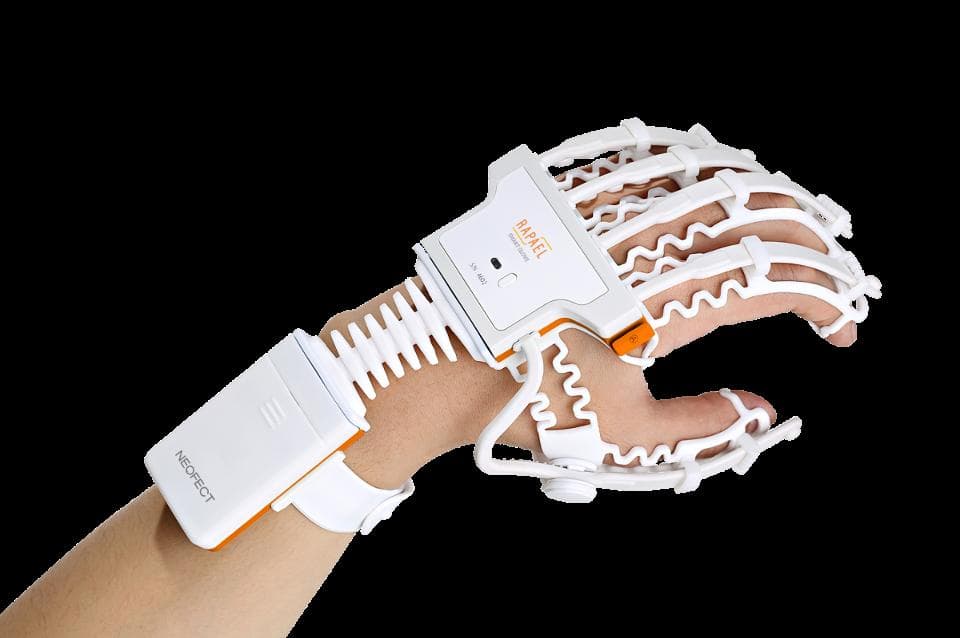
RAPAEL Smart Glove
RAPAEL Smart Glove earns a top position for combining gamified, data-driven hand training with a relatively low capital and running cost, making it attractive for UK clinics and home rehabilitation programs in 2025. Its mobile, cloud-connected design and remote-monitoring features give it a financial and logistical advantage over larger clinic-bound systems like Gloreha and Amadeo, while still delivering clinically meaningful repetitions and engagement.
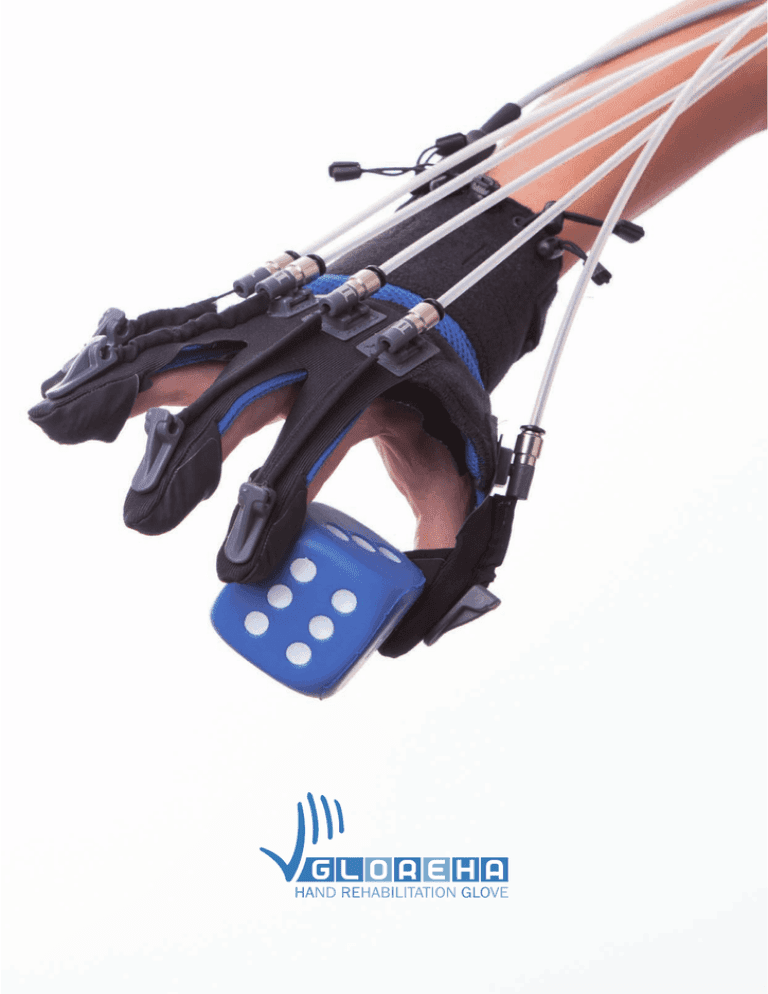
Gloreha Sinfonia
Gloreha Sinfonia is positioned as a market leader for specialist centres because of its precise finger actuation, comprehensive passive–active modes and high-fidelity motion analysis suited to complex neurorehabilitation cases. Although it generally carries a higher acquisition cost than glove- and stimulation-based options, its clinical-grade capabilities and integration of bilateral training make it a preferred choice for UK hospitals seeking in-depth assessment and intensive clinic-based therapy.
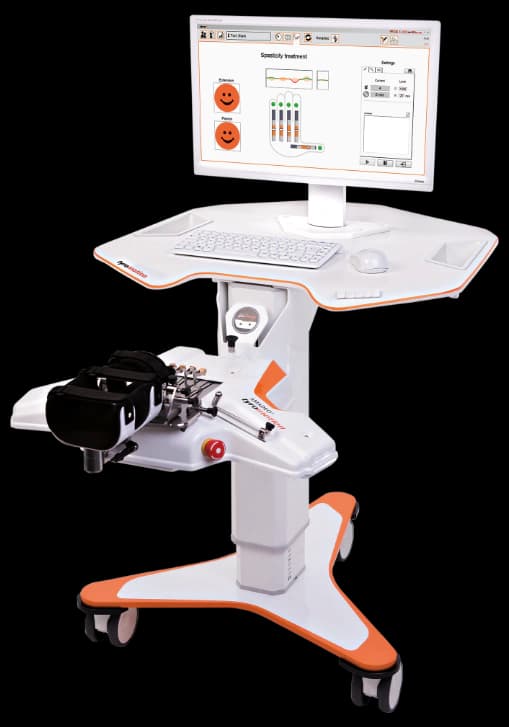
Tyromotion Amadeo
Tyromotion Amadeo stands out for its robotic end-effector architecture that delivers high-intensity, repeatable finger mobilization with robust automated assessment metrics, providing strong evidence support for clinical outcomes in stroke and neurological rehab. While typically a larger capital investment than portable solutions like RAPAEL or Saebo MyoTrac, Amadeo’s throughput and standardized measurement tools offer long-term efficiency and audit advantages for UK NHS and private rehabilitation services.
IpsiHand Upper Extremity Rehabilitation System
IpsiHand Upper Extremity Rehabilitation System is recognized for its unique ipsilateral/contralateral stimulation strategies that target neuroplasticity with a comparatively modest procurement price and portable footprint for community or home-based programmes. Its technical niche—pairing bilateral motor input with targeted stimulation—complements glove and robot approaches on this list, offering UK providers a cost-effective adjunct when full robotic rigs are impractical.
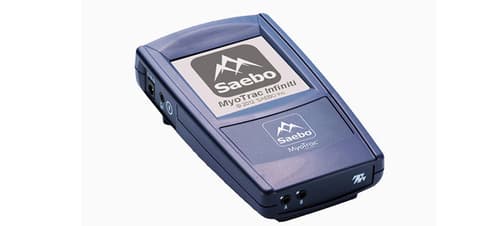
Saebo MyoTrac Infiniti
Saebo MyoTrac Infiniti holds a market-leader spot among EMG-triggered and FES adjuncts due to its strong balance of affordability, portability and functional electrical stimulation tailored to hand and wrist recovery. Though it is not a fully robotic system like Amadeo or Gloreha, its low running costs and ease of deployment across outpatient clinics and home settings make it a pragmatic, high-value option for UK rehabilitation pathways focused on scalable, task-oriented therapy.
These cutting-edge robotic systems distinguish themselves through intelligent motor assistance that adapts in real-time, comprehensive data collection for tracking neurological recovery patterns, and intuitive interfaces designed for both clinical professionals and home users. Each system incorporates elements of gamification to enhance patient engagement during often challenging rehabilitation periods.
Understanding Hand Rehabilitation Robotics
Robotic hand rehabilitation systems employ sophisticated biomechanical principles to facilitate neuroplastic recovery. These devices provide consistent, measurable assistance for finger and wrist movements, helping rebuild neural pathways damaged by stroke or injury. Through repetitive, task-oriented training guided by robotic feedback, patients develop improved motor control and functional capability.
Robotic systems deliver precisely calibrated resistance and assistance tailored to each patient's recovery stage
Real-time biofeedback mechanisms help patients understand movement quality and progress objectively
Intensive, repetitive practice through robotics accelerates neurological adaptation compared to traditional methods alone
Data analytics track subtle improvements in hand function that may not be immediately apparent clinically
Integration with virtual environments increases engagement and motivation during extended rehabilitation periods
Many systems support both clinical supervision and autonomous home-based therapy protocols
Frequently Asked Questions
Which system should UK clinics choose for stroke hand rehab?
UK clinics wanting repeatable, evidence-supported outcomes may prefer Tyromotion Amadeo, which uses individually actuated finger modules for intensive, high-repetition therapy plus comprehensive assessment tools, and it is rated 4.1.
Does Gloreha Sinfonia support passive and active-assisted modes?
Yes—Gloreha Sinfonia includes multiple therapy modes, including passive, active-assisted and resistive training, with an average rating of 4.1.
How does RAPAEL Smart Glove compare on running costs?
RAPAEL Smart Glove is positioned for relatively low capital and running costs, and it is rated 4.3; its lightweight, cloud-connected glove supports gamified app-driven exercises and remote progress monitoring.
Is RAPAEL Smart Glove suitable for home telerehab?
Yes—RAPAEL Smart Glove is designed for repetitive task practice at home with app-driven, gamified exercises and remote progress monitoring for telerehab; it has an average rating of 4.3.
Conclusion
The landscape of hand rehabilitation in Britain continues to evolve as robotic technologies become increasingly sophisticated and accessible. The systems featured in this guide represent the forefront of innovation in neurorehabilitation, each offering distinct advantages depending on individual patient requirements and clinical settings. When selecting a rehabilitation robot, healthcare providers should consider factors such as treatment protocols, patient interface design, data analytics capabilities, and long-term clinical support. These technologies are not merely tools but integral components of modern physiotherapy practice, particularly valuable for patients with severe hand impairment who require intensive, task-specific training. As we progress through 2025, expect further advances in artificial intelligence integration and remote monitoring capabilities. For those seeking to enhance rehabilitation outcomes across their organisation or for personal recovery purposes, evaluating these systems against your specific clinical or personal goals remains essential. Consult with your healthcare provider to determine which solution best aligns with your rehabilitation journey.