Best Dry Cat Food for Indoor Cats in the UK 2026 | Expert Guide to Weight Control & Digestive Health
Published on Monday, 2 February 2026
Indoor cats across the UK face unique nutritional challenges that differ significantly from their outdoor counterparts. Without the natural activity levels of outdoor exploration, house cats are prone to weight gain, reduced digestive engagement, and urinary complications. This comprehensive guide examines seven carefully selected dry food options specifically formulated to address these concerns, drawing on veterinary insight and real-world feeding experience. Each option has been evaluated for its capacity to maintain lean body condition, promote healthy digestion through appropriate fibre content, and support proper urinary function—three critical factors for the wellbeing of British indoor cats. Whether you're seeking solutions for a sedentary tabby, managing multiple cats in a flat, or looking to transition a rescue cat to optimal nutrition, understanding the distinction between generic cat foods and indoor-specific formulations is essential. This guide provides the practical knowledge needed to make informed choices, considering not just nutritional science but also practical factors like availability through UK retailers, value for money, and ease of storage in typical British homes.
Top Picks Summary
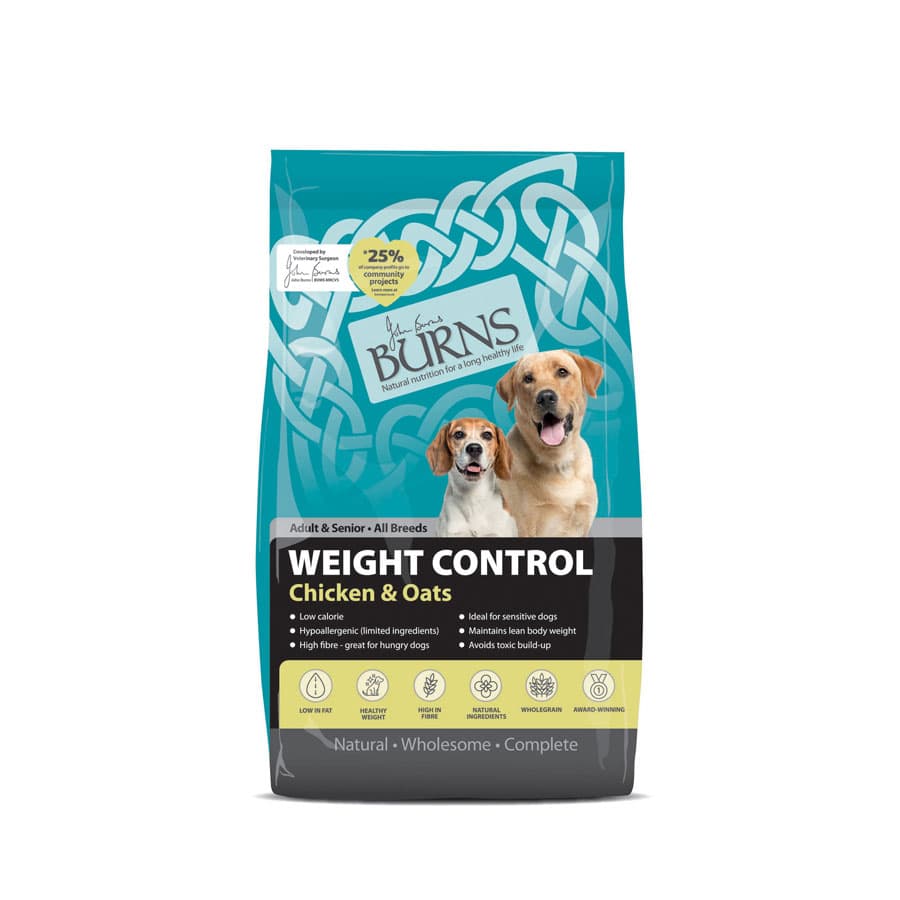
Burns Weight Control+ Chicken & Oats Cat Food
Burns Weight Control+ Chicken & Oats is the UK-made, natural-ingredient contender on this list, prized for its simple recipe, locally sourced ingredients and lower-calorie profile tailored to indoor cats. It appeals to owners who prioritise natural formulations and traceable supply chains and often represents good value for a premium natural product, though it lacks the breadth of large-scale clinical trial evidence available to global veterinary brands. For those in the UK seeking a homegrown, vet-formulated natural alternative to multinational options, Burns offers an ethically minded and competitively priced choice.
GO! Solutions Carnivore Grain-Free Chicken, Turkey + Duck Recipe for Cats
GO! Solutions Carnivore Grain-Free blends multiple poultry proteins to create a highly palatable, grain-free recipe that supports lean muscle, healthy metabolism and controlled weight for indoor sterilised cats, with added functional ingredients for digestion and coat health. Compared to the veterinary-led brands on this list it offers a flavour-forward, biologically appropriate approach that tends to be competitively priced against other premium grain-free options like Acana, making it a practical choice for owners seeking strong palatability and metabolic support without the highest-tier price.

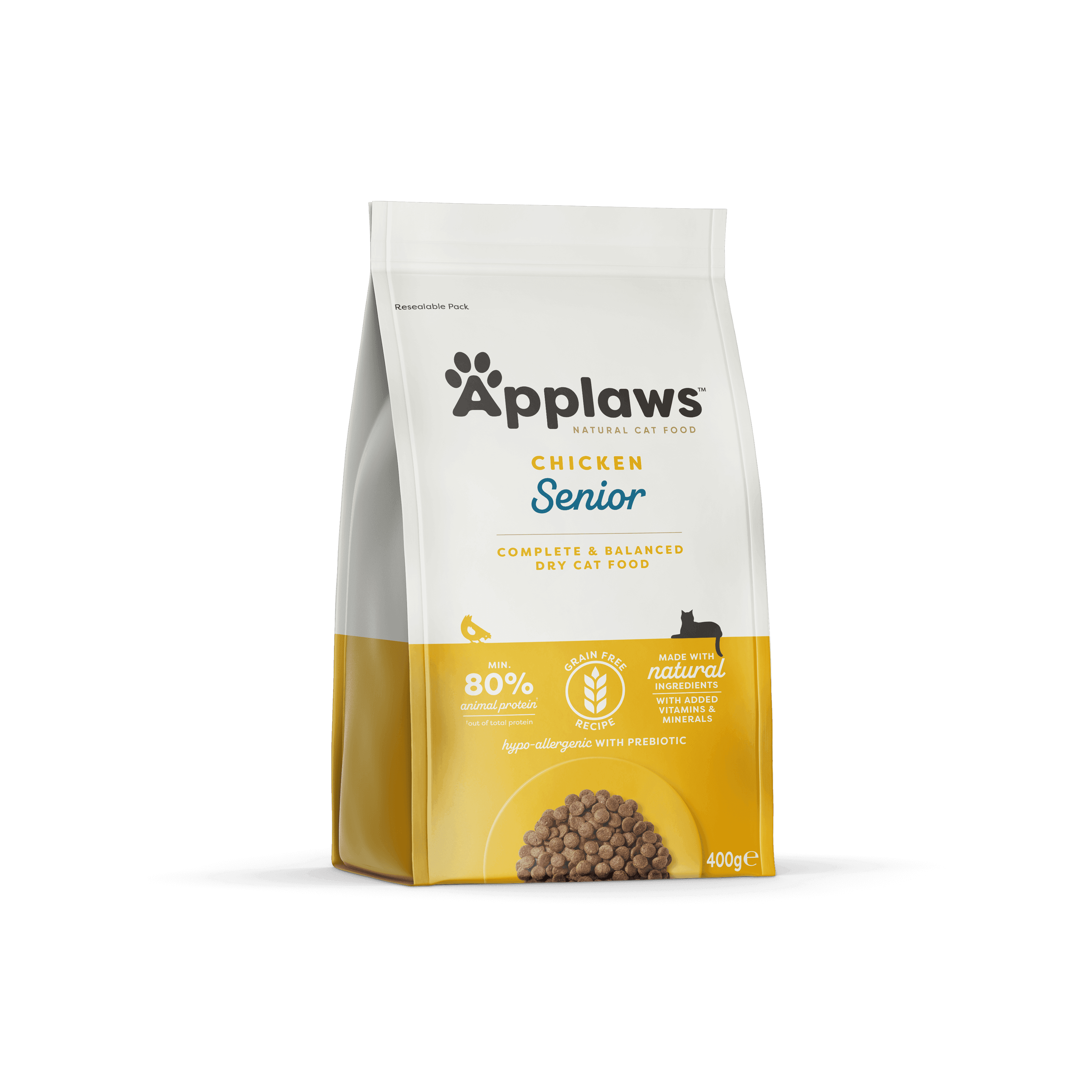
Applaws Senior Chicken Grain-Free offers a limited-ingredient, high-animal-protein option that appeals to owners seeking grain-free recipes and a simple ingredient list to support cognitive health through concentrated protein and natural fats. In this lineup it is the niche, premium-priced pick: excellent for sensitivity and ingredient simplicity, though it is less explicitly targeted at joint support than the clinically-formulated alternatives above.
Scrumbles Natural Dry Cat Food Indoor Turkey is positioned as a value-conscious, natural choice tailored to indoor cats, offering lower fat, fiber to help reduce hairballs, and recipes aimed at everyday wellbeing; financially it sits mid-range and can represent good cost-per-serving for indoor lifestyles compared with premium high-meat diets. Technically it differs from Applaws' concentrated, single-protein approach and from Canagan's grain-free philosophy by focusing on indoor-calorie control and affordability, and it serves as a practical option alongside James Wellbeloved’s sensitive-digestive focus in the context of the 'undefined' search.

Canagan Free-Run Chicken Grain-Free Dry Cat Food
Canagan is a market leader for shoppers seeking a strong balance of quality and value, using free-run chicken as a primary animal protein and offering grain-free recipes that are technically robust without the top-tier price of Orijen. For the "undefined" use case it stands out as a mid-range option that delivers high animal-protein inclusion and tailored kibble sizing while remaining more affordable than Orijen and a bit broader in ingredient profile than the ultra-minimalist Applaws. Financially it represents a sweet spot for owners who want premium-sourced meat claims without the highest premium cost.

These carefully curated selections prioritise calorie-controlled formulations without sacrificing palatability, incorporate tailored fibre blends to promote satiety and healthy digestion, and include targeted micronutrients for urinary tract support. Each option represents genuine availability through established UK suppliers, proven efficacy in managing common indoor cat health concerns, and strong value alignment for discerning UK pet owners.
Understanding Indoor Cat Nutrition: Key Considerations for UK Owners
Indoor cats require fundamentally different nutritional profiles than outdoor cats due to their reduced energy expenditure and altered activity patterns. This section explores the science behind indoor-specific formulations and how they address the particular health challenges facing house cats in the UK.
Calorie density and portion control: Indoor cats typically require 20-30% fewer calories than active outdoor cats, making careful formulation essential to prevent obesity-related complications
Fibre content for satiety and digestive health: Higher fibre levels promote feelings of fullness whilst supporting healthy gastrointestinal function, reducing overeating behaviours
Urinary tract health management: Specific mineral balances and pH adjustment help prevent feline urinary issues, a common concern in less active cats
Hairball management through enhanced fibre: Indoor cats groom frequently with limited natural roughage to clear ingested hair, making hairball-control formulations particularly valuable
Digestive enzyme inclusion: Tailored enzyme profiles support efficient nutrient absorption whilst reducing litter box odour concerns common in multi-cat households
Omega fatty acid ratios: Balanced omega-3 and omega-6 levels support skin and coat health despite reduced exposure to natural sunlight and environmental stimulation
Age-appropriate formulations: Senior indoor cats face compounded challenges of reduced activity and changing metabolic rates, requiring specifically designed nutrition
Palatability without excess fat: Modern formulations achieve strong flavour profiles whilst maintaining controlled fat percentages critical for weight management
Frequently Asked Questions
Which dry cat food should I choose for indoor cats?
For indoor cats, Hill's Science Plan Adult Sterilised Cat Dry Food with Chicken is a strong pick because it’s designed to support healthy weight after neutering, using a leaner calorie profile and digestible chicken protein; it’s rated 4.3.
What ingredient or nutrient supports weight control in Hill's?
Hill's Science Plan Adult Sterilised Cat Dry Food with Chicken includes L-carnitine to help support fat metabolism, and it’s rated 4.3; it’s aimed at weight control for indoor sterilised cats.
How does Applaws Senior compare on value and rating?
Applaws Senior Chicken Grain-Free Dry Cat Food is rated 4.5 and stands out for a grain-free, limited-ingredient recipe with high animal-protein, designed for senior cats’ lean muscle support and lower carbohydrate formulation.
Is Burns Weight Control+ suitable for indoor cats?
Yes—Burns Weight Control+ Chicken & Oats Cat Food is tailored to indoor cats with a lower-calorie profile, higher protein-to-fat ratio, and added fibre for satiety; it’s rated 4.1 and is made in the UK.
Conclusion
Selecting premium dry nutrition for your indoor cat represents a meaningful investment in their long-term health and vitality. The formulations reviewed here balance scientific evidence with the practical realities of modern UK pet ownership—delivering balanced nutrition without the premium price tags sometimes attached to specialist brands. Whether your priority is managing your cat's weight, supporting urinary health, or simply providing consistent, convenient nutrition, these options have been rigorously assessed against veterinary standards and real-world performance metrics. Moving forward, monitor your cat's body condition monthly, adjust portion sizes based on individual metabolism, and maintain regular check-ups with your vet to ensure your chosen food continues to meet evolving needs. Should you require more targeted nutrition—perhaps for cats with specific allergies or medical conditions—explore our specialised guides or consult your veterinary practice. Your commitment to thoughtful feeding practices today will contribute meaningfully to your cat's wellbeing for years to come.