

Premier Equine Pressure Sensing Technology in Britain 2025: Expert Veterinary Analysis of Leading Hoof Diagnostic Systems for Lameness Assessment and Athletic Performance
Published on Monday, 25 August 2025
Modern equine veterinary practice demands precision when evaluating locomotor function and diagnosing subtle lameness. Hoof pressure measurement systems have revolutionised how British vets, farriers, and rehabilitation specialists approach diagnostic assessment. Rather than relying solely on clinical observation, these sophisticated sensors deliver quantifiable data about weight distribution, gait symmetry, and loading patterns across the equine limb. This technological shift proves particularly valuable in the UK market, where owners increasingly expect evidence-based approaches to injury prevention and recovery management. These systems capture real-time pressure dynamics through instrumented mats, wireless sensors, and integrated analytics platforms, enabling practitioners to detect compensatory movement patterns before they progress to clinical lameness. Whether you're operating a busy equine practice, managing a rehabilitation facility, or overseeing performance horses, understanding the capabilities and limitations of available systems helps inform purchasing decisions. This guide examines five established pressure diagnostic platforms currently available to British veterinarians and equine professionals, evaluating their clinical utility, technical specifications, durability in UK conditions, and integration with existing practice workflows.
Top Picks Summary
Tekscan Hoof System
Tekscan's Hoof System is a clinical-grade pressure-mapping platform with high spatial resolution and mature analysis software, making it a go-to choice for veterinary clinics focused on equine health and first aid diagnostics. It holds its position through proven repeatability and extensive validation in gait labs, offering a cost-effective per-use model thanks to durable, reusable sensor mats and broad service support compared with newer or more specialized entrants. For practitioners who need reliable, hospital-style data during lameness exams or emergency assessments, Tekscan balances technical depth with lower long-term operating costs relative to subscription-based or single-use alternatives.

Novel Pliance
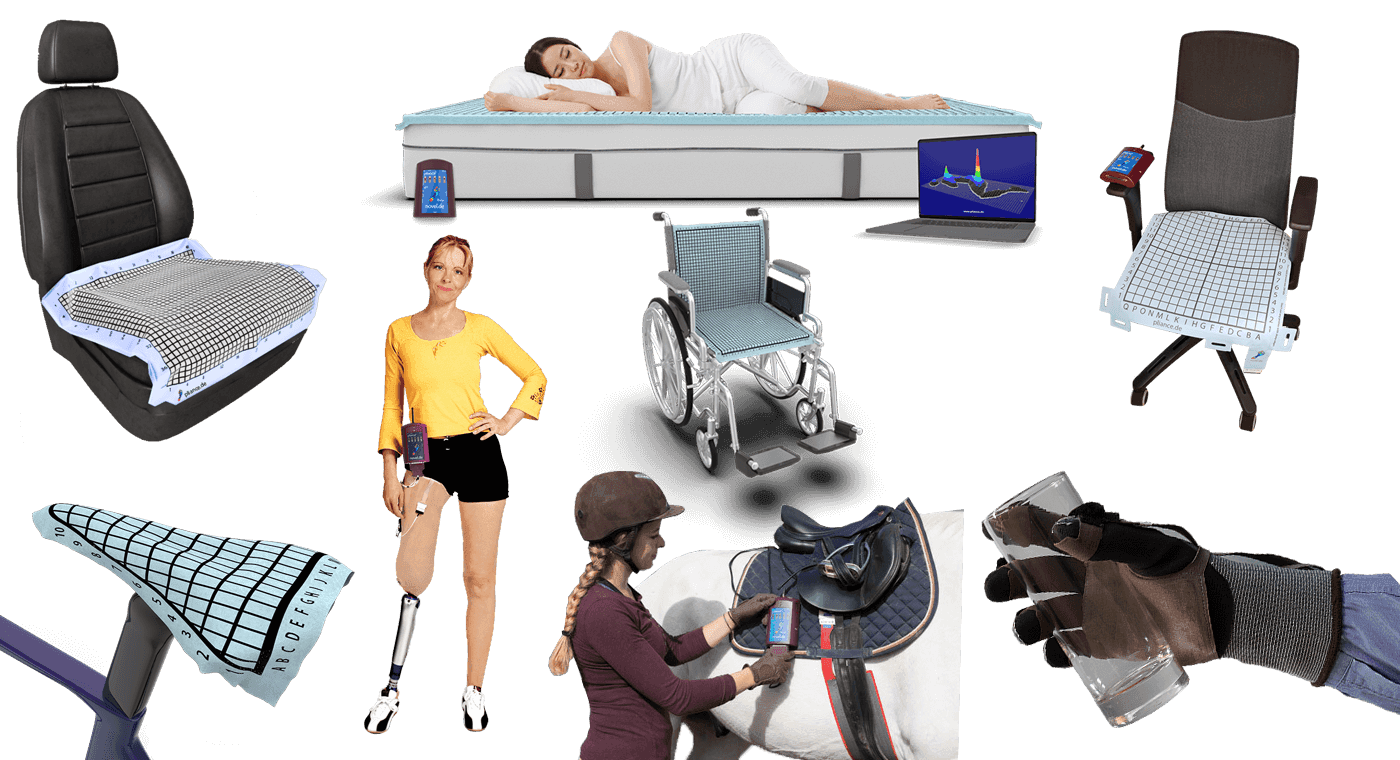
Novel Pliance earns its place for offering clinic-grade, high-resolution pressure mapping with proven repeatability and a mature software suite tailored to hoof and limb assessment; its sensor mats and modular sensors are especially valued for detailed static and dynamic analyses. Compared with Tekscan's more established hoof platform and Pegasus's portable options, Pliance balances lab-level fidelity with a competitive price point and easy integration into mixed equine practice workflows, making it a cost-effective choice for British vets who need precise data without the highest-end capital outlay.
Vetrax EQS
Vetrax EQS stands out as a field-focused equine system that combines wireless limb sensors and robust gait-analysis algorithms to deliver quick, clinic-to-field diagnostics that support performance management and rehabilitation. Its technical advantage is portability and real-time reporting, which makes it more practical for on-site assessments than heavier Tekscan setups, while its price and sensor durability position it as a mid-market leader versus the farrier-oriented simplicity of HoofMapper and the luxury-tier Pegasus devices.

HoofMapper
HoofMapper is prized for its intuitive hoof-mapping workflow and farrier-friendly output, providing targeted pressure overlays that help guide trimming and shoeing decisions with minimal training. Compared with the resolution-focused Novel Pliance and the multi-sensor Vetrax EQS, HoofMapper offers a simpler, lower-cost route to actionable hoof pressure data, making it a practical first-choice for clinics and farriers focused on routine performance and recovery management rather than comprehensive gait lab metrics.

Pegasus Gait Analysis System
Pegasus offers a premium multimodal system that fuses pressure sensors, inertial measurement units, and synchronized video with AI-driven analytics to provide a comprehensive equine assessment for performance optimization and emergency diagnostics. It leads on technical breadth—delivering richer, cross-validated insights than single-modality competitors—and is positioned for clinics and performance centers willing to invest up front for reduced diagnostic time and longitudinal monitoring capabilities. Although its price point is higher, Pegasus can deliver financial advantages to institutions by consolidating multiple diagnostic modalities into one integrated platform, lowering total system complexity and long-term staffing costs.
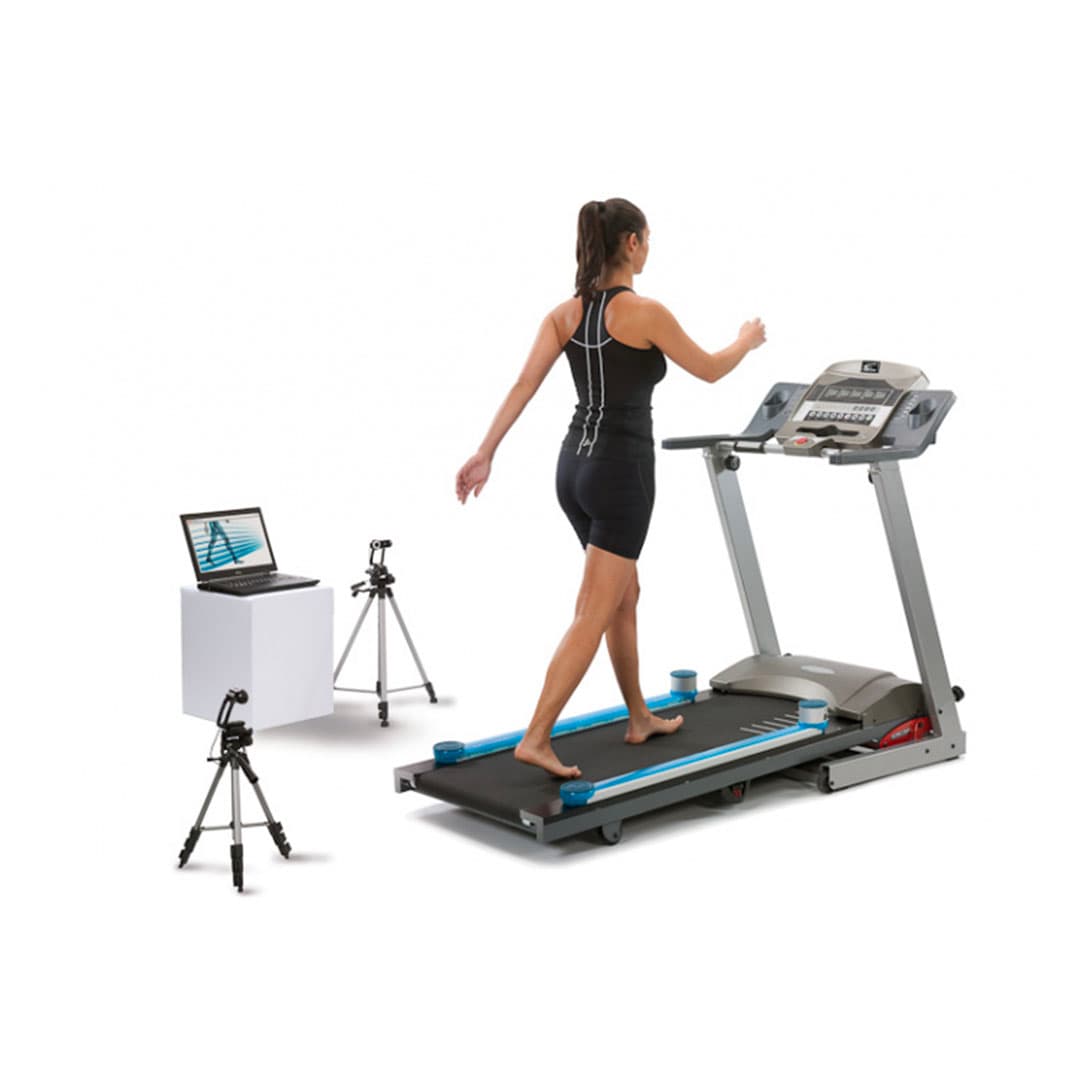
These leading pressure diagnostic systems share several distinguishing characteristics: calibrated sensor arrays capturing millimetre-precise hoof loading data, wireless connectivity enabling field deployment, user-friendly software interfaces requiring minimal training, robust weatherproofing suitable for UK stable and field environments, and integration capabilities with existing veterinary practice management systems. Most platforms now incorporate AI-assisted analysis and comparative gait assessment.
Understanding Equine Pressure Diagnostics: Clinical Applications and Technical Considerations
Hoof pressure measurement technology provides objective quantification of weight distribution and gait mechanics across the equine limb. British practitioners increasingly utilise these systems for lameness localisation, rehabilitation progress monitoring, and performance optimisation in athletic horses.
Pressure sensors detect asymmetrical loading patterns indicating subtle lameness not always apparent on clinical examination
Real-time data collection enables immediate feedback during diagnostic trotting and exercise assessment
Longitudinal monitoring tracks rehabilitation progress and documents recovery timeline following injury or surgical intervention
Wireless platforms facilitate field deployment at competitions, training facilities, and remote practice locations across Britain
Integrated video synchronisation allows simultaneous assessment of visual gait characteristics and pressure distribution
Calibration protocols ensure measurement reproducibility and enable meaningful comparison between serial assessments
Analytics platforms identify compensatory movement patterns developing in contralateral limbs during recovery phases
Data export capabilities support telemedicine consultation and specialist opinion gathering from remote equine centres
Frequently Asked Questions
Which equine pressure system is best for veterinary clinic diagnostics?
The Tekscan Hoof System is the preferred choice for veterinary clinics due to its clinical-grade pressure-mapping platform, high spatial resolution, and mature analysis software that ensures proven repeatability for equine health assessments.
What is the average rating for the Novel Pliance system?
The Novel Pliance system holds an average rating of 4.4, reflecting its high-resolution pressure sensors and clinic-grade calibration that provide detailed static and dynamic limb analysis.
Does the Vetrax EQS system work for field-based gait analysis?
The Vetrax EQS is specifically designed for field-focused diagnostics, featuring lightweight, synchronized sensors that capture limb pressure during trot and canter to support performance management and rehabilitation.
Which system offers the most durable hardware for outdoor use?
The Vetrax EQS features durable housings that are mud-proven, making it the most suitable option for efficient clinical assessments conducted outside of a controlled laboratory environment.
Conclusion
Selecting the most appropriate hoof pressure diagnostic system ultimately depends on your specific clinical requirements, practice environment, and budget parameters. The Tekscan Hoof System continues to demonstrate exceptional reliability and clinical acceptance across British equine practices, delivering consistent, high-fidelity pressure data suitable for complex lameness investigations. For those prioritising video integration and synchronized gait analysis, the Novel Pliance System and Pegasus Gait Analysis Platform offer compelling alternatives with sophisticated analytical capabilities. The Vetrax EQS Sensor and Hoofcare Instruments HoofMapper excel as portable, field-deployable options, particularly suited to practitioners requiring flexibility without compromising measurement accuracy. Rather than pursuing a one-size-fits-all recommendation, consider your specific workflow demands: clinical caseload volume, requirement for telemedicine consultation, compatibility with existing equipment, and long-term support expectations from your chosen supplier. The British equine market continues evolving rapidly, with diagnostic technology playing an increasingly central role in evidence-based veterinary practice. We encourage you to explore detailed product specifications, request demonstrations from UK distributors, and consult with colleagues currently using these systems within your region.