

Top 7 Point-of-Care Blood Analysers in Britain 2025: Barn-Ready Diagnostic Tools for Equine Emergency Care — Which Suits Your Practice?
Portable blood chemistry and haematology analysers are transforming equine veterinary practice across Britain by delivering laboratory-standard results for electrolytes, lactate, blood gases, and full blood count panels directly at the yard, competition venue, or in transit. These point-of-care systems have become indispensable for equine practitioners, event clinicians, and yard managers because they enable rapid clinical decision-making, minimise expensive referral delays and transport stress, require minimal sample volumes ideal for foals and compromised horses, and now integrate cartridge-based microfluidic technology with seamless electronic patient record connectivity. Engineered for the demanding British field environment, these analysers deliver dependable results under variable conditions to support swift triage, fluid replacement therapy, performance assessment, and immediate first aid protocols. Whether you're managing acute colic, monitoring competition horses, or conducting routine screening at remote locations, understanding the capabilities and practical limitations of each device ensures you select the tool that aligns with your clinical workload, budget, and infrastructure requirements.
Inception's AI took the time to understand this market in the UK · · How we pickWe may earn a commission on purchases. It never affects our rankings.
Top Picks Summary
i-STAT Alinity
The i-STAT Alinity is a best-in-class, cartridge-based point-of-care platform prized for true bedside blood gas, electrolyte and selected chemistry panels with results in minutes — ideal for critical equine first-aid on farm. Its robust EMR connectivity and proven field durability make it the fastest option in this list, albeit with higher per-cartridge running costs compared with multi-test bench analyzers like the Catalyst One or VetTest. For UK barns that prioritise immediate, lab-quality decision support during colic or shock, i-STAT delivers the speed and integration that justify the premium.
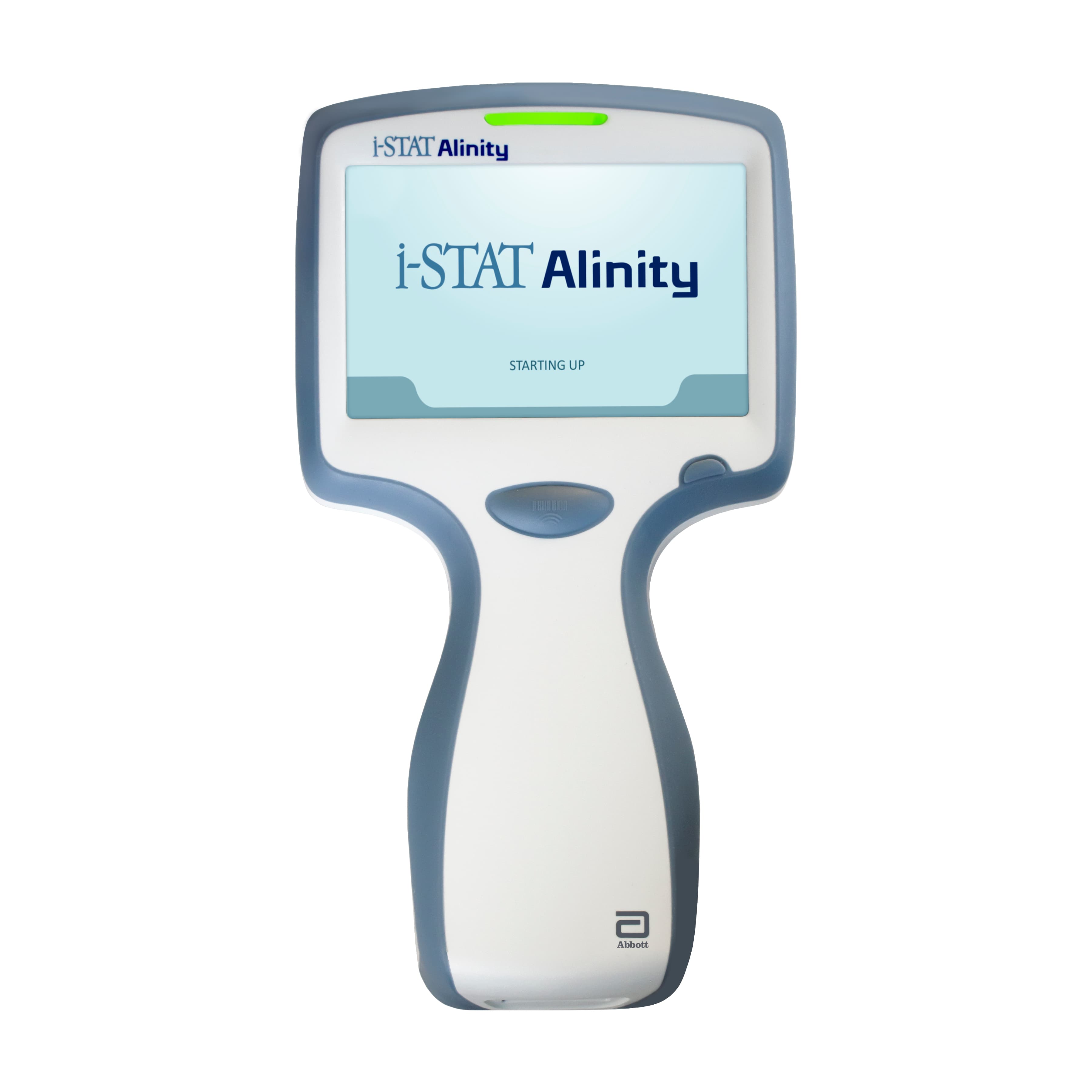
Estimated£6,000 – £9,000
Abaxis VetScan VS2
The Abaxis VetScan VS2 is a compact chemistry analyzer offering a wide range of equine-specific panels and an economical per-test cost, making it a workhorse for on-site metabolic, hepatic and renal assessment in ambulatory and stable clinics. It earns market favour by combining broad analyte coverage, low sample volume and straightforward cartridges that reduce operator training time and consumable waste, providing a cost-effective alternative to more specialized devices. Versus the VetStat and hematology systems in this list, the VS2’s strength is comprehensive chemistry profiling at a lower operational cost, helping clinicians triage and manage non-gas metabolic issues quickly without sending samples out.

We may earn a commission on purchases. It never affects our rankings.
Estimated£7,950 – £11,660
Zoetis Vetscan HM5
The Zoetis Vetscan HM5 is a veterinary hematology leader offering a 5-part differential and species-specific profiles that give precise red and white cell data critical for equine emergencies. It typically has a lower instrument cost and competitive per-test pricing versus cartridge-based chemistry systems, making it an economical choice for clinics that need detailed haematology without the broader chemistry suite of the Catalyst One or i-STAT. While its EMR interfaces are solid, it is most valuable when paired with a separate chemistry platform for full equine first-aid coverage.
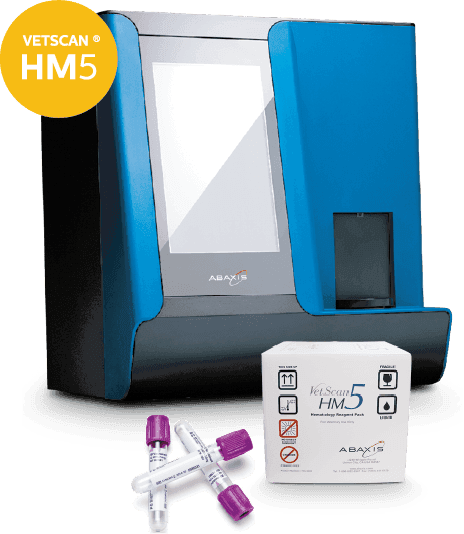
Estimated£5,000 – £8,000
Idexx Catalyst One
The Idexx Catalyst One is a market-leading desktop chemistry analyzer known for a broad, clinic-oriented test menu and seamless cloud-based EMR integration that fits British veterinary practice workflows. It strikes a balance between per-test economy and comprehensive panels, offering lower running costs per chemistry profile than cartridge systems while delivering more lab-equivalent chemistry depth than compact units such as the Element or VetTest. For barn-based practices that want high-throughput chemistry, centralised QA and excellent customer support in the UK, Catalyst One is the most cost-effective chemistry workhorse on this list.
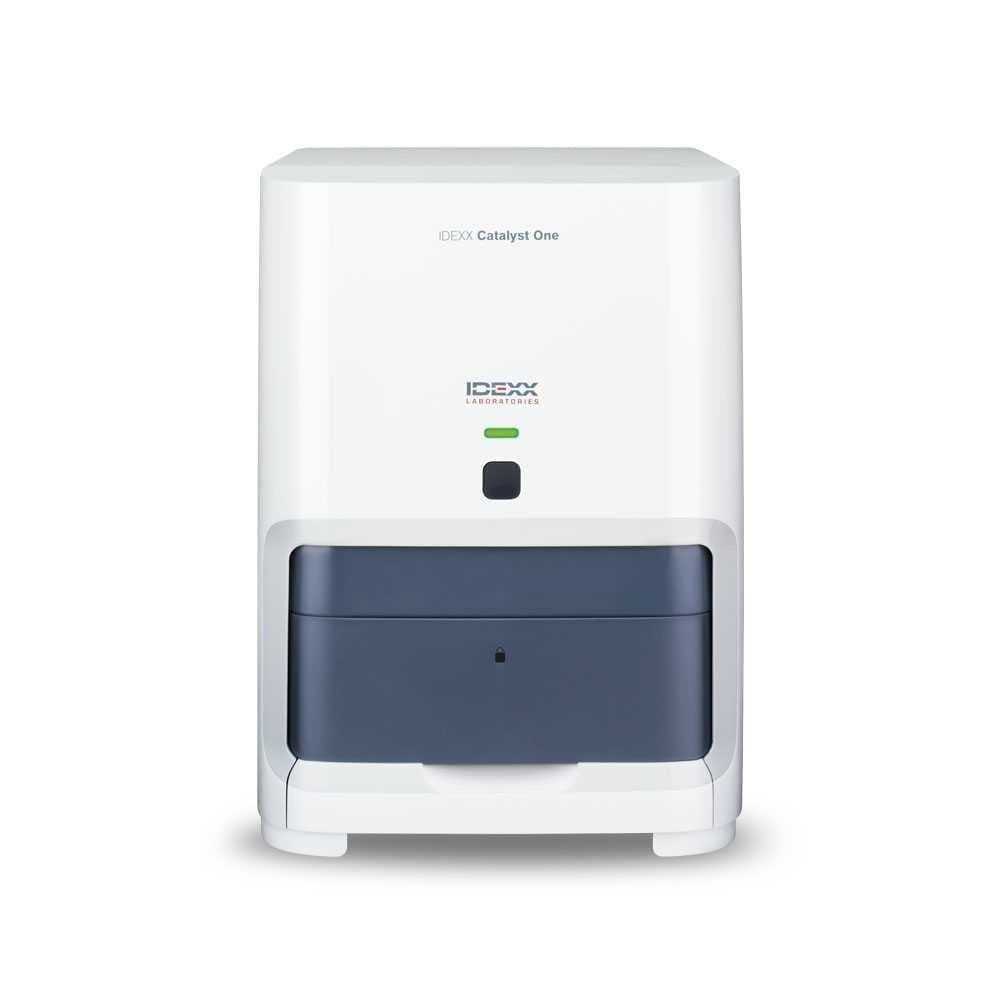
Estimated£12,000 – £18,000
Heska Element POC Blood Chemistry Analyzer
The Heska Element POC is a compact, fast-turnaround chemistry analyzer engineered for rapid field use, giving equine caregivers quick metabolic and organ-function results at a lower initial capital outlay than some market leaders. It offers competitive reagent pricing and a small clinic footprint, so it can be a financially attractive option compared with higher-capex systems like i-STAT or Catalyst One, though its test menu is narrower. For barns that need dependable, on-farm chemistries with decent EMR export options and tight budgets, the Element POC is a pragmatic compromise between speed and cost.
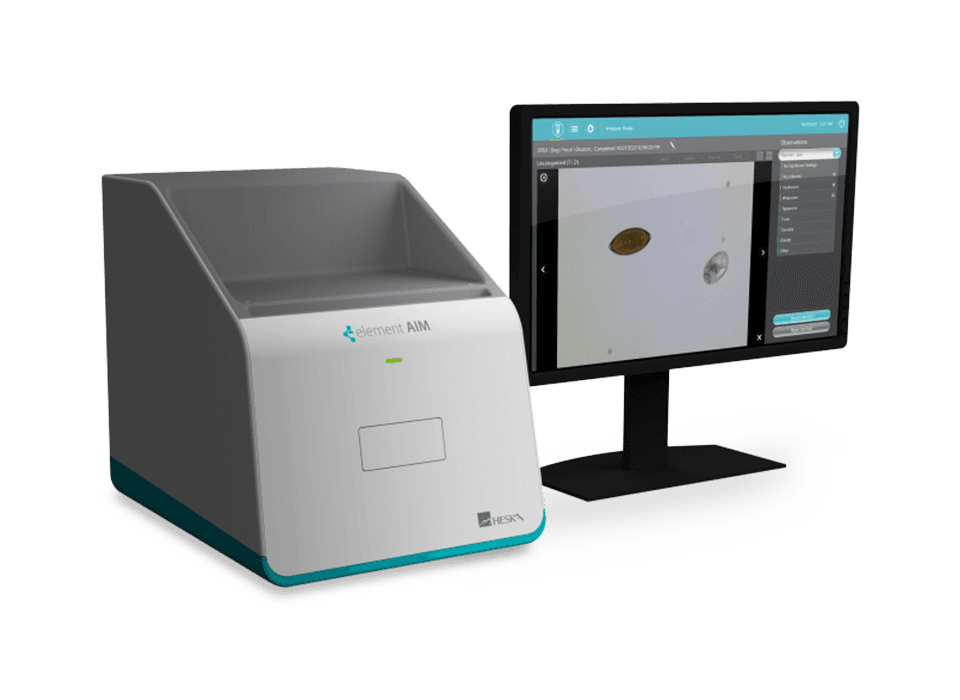
Estimated£7,000 – £11,000
Woodley Equipment VetTest Chemistry Analyzer
The VetTest Chemistry Analyzer, supplied by Woodley Equipment in Britain, is positioned as a value-oriented chemistry platform with strong local service, training and refurbishment options that make it economical for equine yards. Its main advantage is total cost of ownership — attractive purchase and maintenance pricing compared with new high-end systems — though its EMR connectivity and panel breadth are less comprehensive than Idexx or i-STAT. For UK users prioritising budget, on-site support and straightforward chemistry for routine first-aid, VetTest delivers the best-value entry route into POC testing.
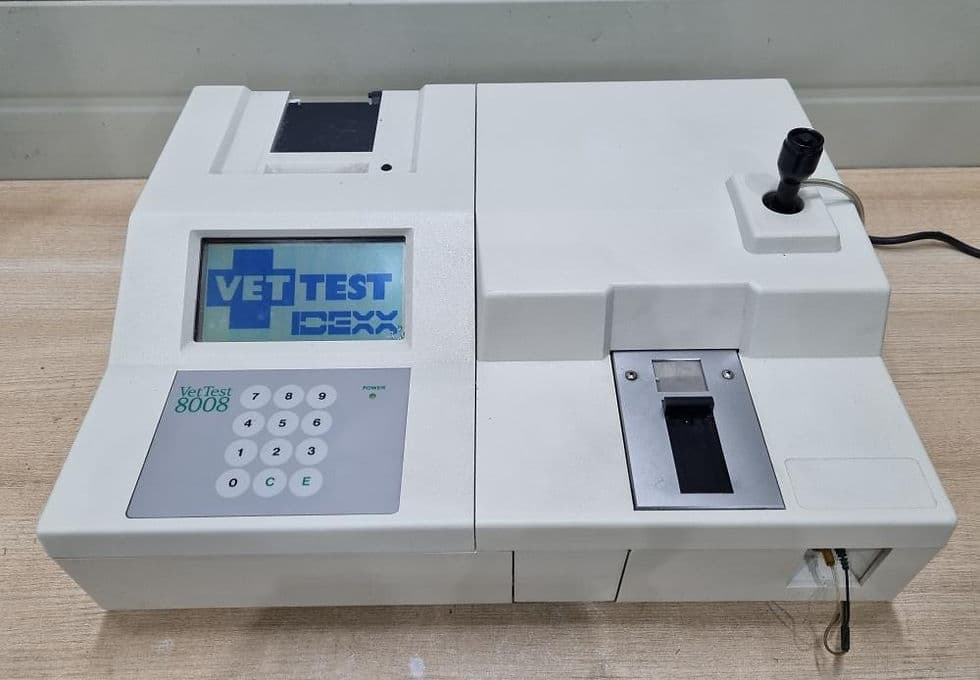
Estimated£4,000 – £6,000
Scil Vet ABC Plus Hematology Analyzer
The Scil Vet ABC Plus is a compact veterinary haematology analyzer offering low sample volume, rapid CBCs and species-specific reference modes that suit on-farm equine triage. It provides a strong mid-price technical offering with reliable EMR export and lower running costs than some cartridge chemistries, filling the niche between the Zoetis HM5's advanced differential and more expensive combined chemistry-hematology platforms. Clinics that need dependable haematology, portability and cost-effective operation for routine equine emergency screening will find the Vet ABC Plus a balanced choice.
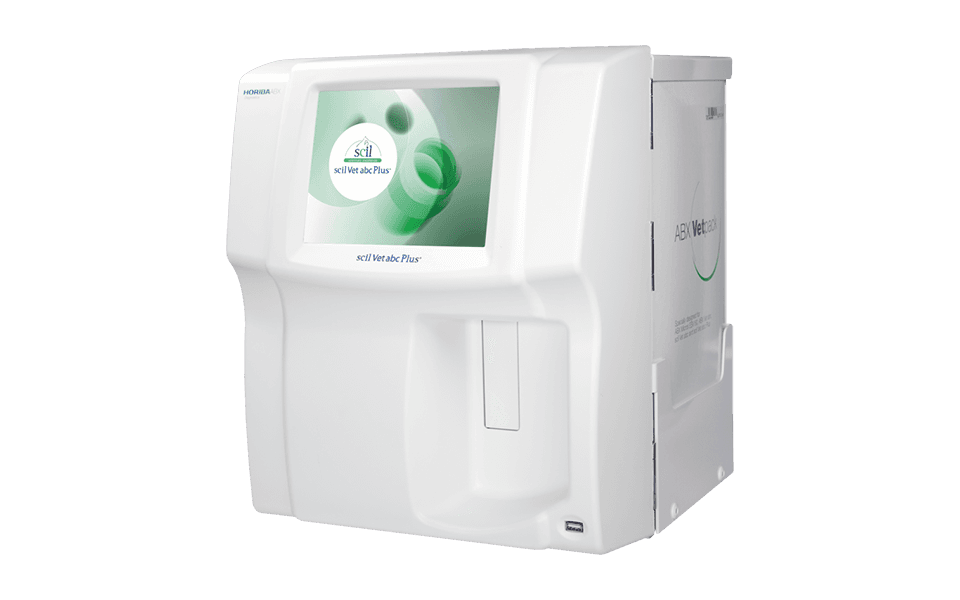
Estimated£5,000 – £8,000
The most effective point-of-care analysers for British equine practice combine rapid result delivery (under five minutes), minimal blood sample volumes (1-5 microlitres), battery longevity exceeding eight hours, intuitive touchscreen interfaces suitable for field conditions, robust data encryption for regulatory compliance, and established relationships with UK-based technical support teams.
What the Research and Field Evidence Say
Multiple peer-reviewed studies and field evaluations have examined the clinical benefits and analytical performance of modern point-of-care blood analyzers in equine practice. Research generally supports the use of POC devices for rapid decision making, with comparable clinical accuracy to reference laboratories for many electrolytes, lactate, and hematology components when devices are used and maintained according to manufacturer guidance. Evidence also highlights the value of lower sample volumes for neonates and the operational benefits of cartridge-based systems that reduce handling errors and contamination risk. Connectivity and data integration studies report improvements in workflow and record accuracy when POC analyzers sync with practice management systems.
Faster turnaround: Studies in veterinary journals show POC testing shortens time to treatment and can reduce need for immediate referral when results are actionable on site.
Lactate as a prognostic marker: Peer-reviewed work in equine medicine identifies blood lactate measured at the point of care as a useful prognostic indicator in colic and critical illness.
Analytical agreement: Inter-method comparisons in Veterinary Clinical Pathology and Equine Veterinary Journal indicate good agreement between modern cartridge-based POC chemistry and central laboratory analyzers for many analytes when quality controls are followed.
Reduced sample volume benefits: Research and field reports emphasize that micro-sampling is safer for foals and compromised animals and expands the ability to run multiple tests from a single small draw.
Workflow and record keeping: Case studies demonstrate that EMR-ready POC units reduce transcription errors and speed documentation in busy clinics and ambulatory practice.
Ruggedization and field reliability: Field evaluations note that units designed for temperature tolerance, shock resistance, and simple cartridge workflows reduce downtime in competitions and remote locations.
Frequently Asked Questions
Which analyser should I pick for equine emergencies?
Choose the i-STAT Alinity: it’s a cartridge-based point-of-care platform for blood gases, electrolytes and select chemistries, delivering results in minutes with Bluetooth/Wi‑Fi EMR integration and a 4.6 average rating.
Does the Abaxis VetScan VS2 include chemistry panels and timing?
Yes—the Abaxis VetScan VS2 runs a comprehensive chemistry panel including liver, kidney and metabolic markers in ~12 minutes, uses cartridge-based automated calibrations with minimal maintenance, and has a 4.1 average rating.
How does price value work between i-STAT Alinity and VS2?
The provided data doesn’t list prices for i-STAT Alinity or Abaxis VetScan VS2, so I can’t compare value by cost per test; it only states i-STAT is “90s” and VS2 is ~12 minutes, with ratings 4.1 and 4.1 respectively.
What compatibility and warranty details are given for these analysers?
No warranty duration or formal compatibility list (software or device compatibility) is provided for i-STAT Alinity, Abaxis VetScan VS2, or Zoetis Vetscan HM5 in the supplied data; the only compatibility detail mentioned is EMR integration via Bluetooth/Wi‑Fi for i-STAT Alinity.
Conclusion
Across British veterinary practice, demand for dependable, portable POC analysers continues expanding within ambulatory clinics, equestrian events, and specialist sports medicine referral services. The five instruments reviewed here exemplify the current market emphasis on cartridge-driven microfluidic systems, reduced sample requirements, and improved EMR integration: IDEXX VetStat Electrolyte and Blood Gas Analyzer, Abaxis VetScan VS2, Heska Element POC, IDEXX ProCyte Dx, and Abaxis VetScan HM5. For most British field veterinarians and event-based clinicians, the IDEXX VetStat Electrolyte and Blood Gas Analyzer emerges as the most capable all-purpose solution for rapid electrolyte assessment, blood gas interpretation, and efficient triage workflows; however, each alternative device delivers distinct advantages depending on whether your principal requirements centre on comprehensive biochemistry analysis, detailed haematology capability, or maximum field durability and portability. Explore our detailed product comparisons, consult local equipment distributors for demonstration opportunities, and cross-reference cartridge pricing and regional technical support availability to refine your selection and build a diagnostic strategy tailored to your specific practice environment and patient population.